Teacher Resource
Quest Overview

Lines of Inquiry

Guiding Questions
Guidance for Teachers


Articles in this Quest
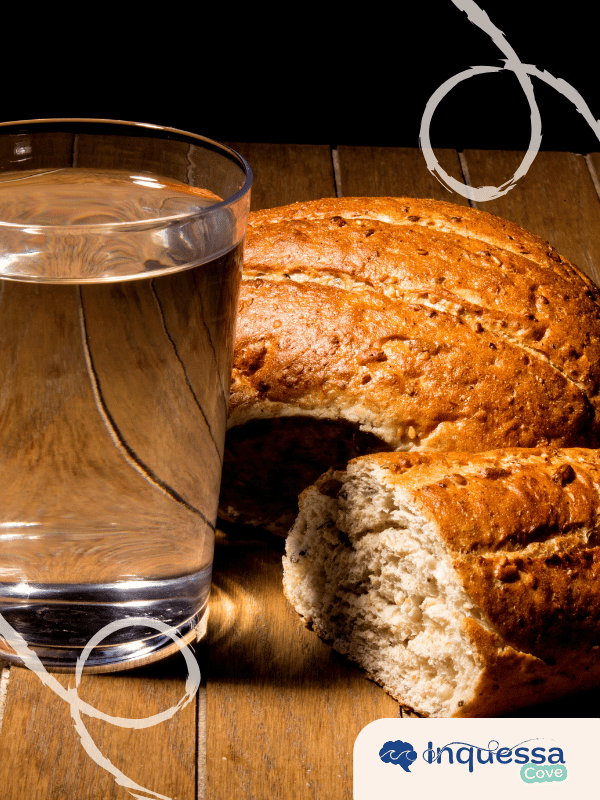
Water Footprints in Your Food
Introduces the concept of a food water footprint and shows how water is used across growing, processing, packaging, and transportation. Familiar foods such as bread, chocolate, cheese, and bananas help students see that much of the water connected to food is hidden within production.
Key Understandings/Main Ideas:
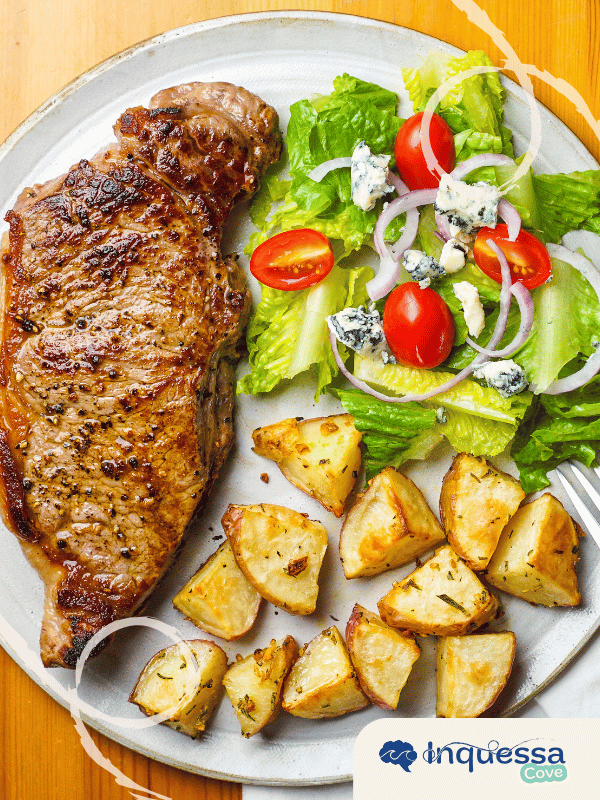
How Much Water is In Your Food?
Develops the idea of virtual water by comparing the hidden water used to produce bread, chicken, and milk. Liter and bathtub comparisons help students visualize the scale of water use and connect food choices and food waste to water demand.
Key Understandings/Main Ideas:
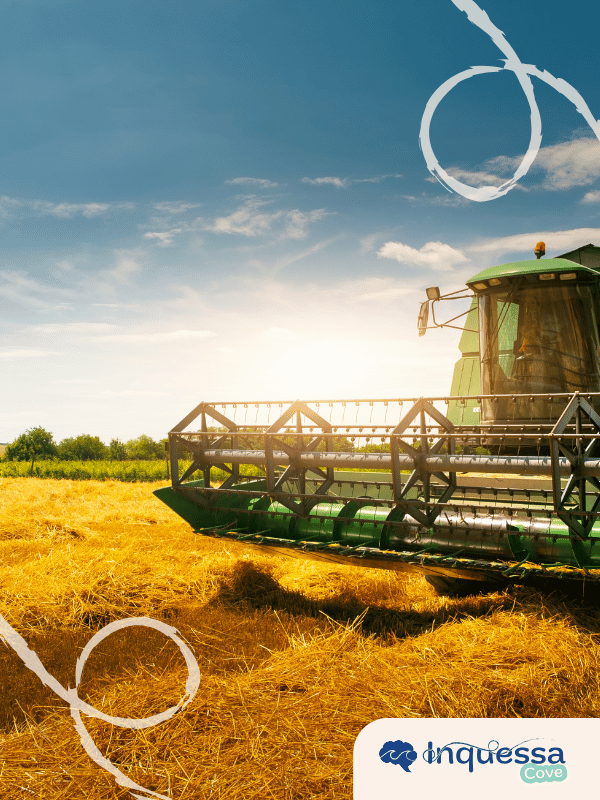
From Farm to Fork
Follows food through preparation, preservation, packaging, and transportation to show how water continues to be used after farming. Students encounter several preservation methods and compare the water involved in producing different packaging materials.
Key Understandings/Main Ideas:
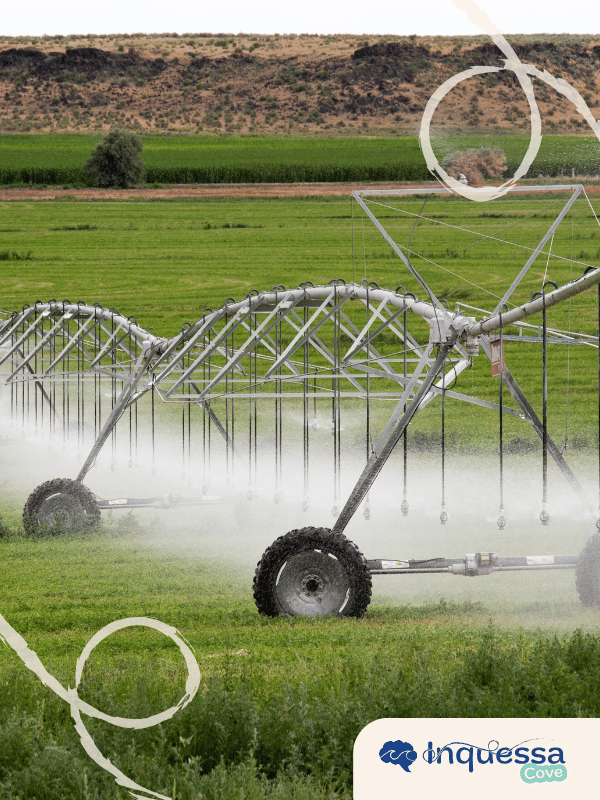
Water Conservation and Solutions for the Future
Explores water conservation through household habits, farming technologies, water recycling, and food-related choices. The article emphasizes that conservation can involve both reducing direct use and lowering less visible demands on water supplies.
Key Understandings/Main Ideas:
Keep Exploring Teacher Tools
Browse more Quests or return to Teacher Tools for additional resources and support.
