
Why Companies Choose Plastic Packaging
About this Article
Lines of Inquiry
- The different jobs packaging performs for products, companies, and shoppers.
- Decisions involved in balancing protection, shelf life, transport, appearance, cost, and waste.
- Responsibility for the effects of packaging choices after the package is no longer useful.
Guiding Questions
- Why might the packaging that costs least not always be the best choice for a company?
- What would a company need to protect if it wanted to reduce its packaging without creating new problems?
- When packaging creates waste after sale, how much responsibility should remain with the company that chose it?
Why Companies Choose Plastic Packaging
Packaging Has a Job
Companies use packaging for several jobs. It can protect a product, keep it clean, make it easier to ship, and give shoppers information. Plastic is often chosen because it can be light, strong, and shaped in many ways.
A shampoo bottle, a package of pencils, and a box for electronics all need different kinds of protection. Companies compare cost, storage, transport, appearance, and product needs when choosing packaging.
Protecting Products in Stores and Shipping
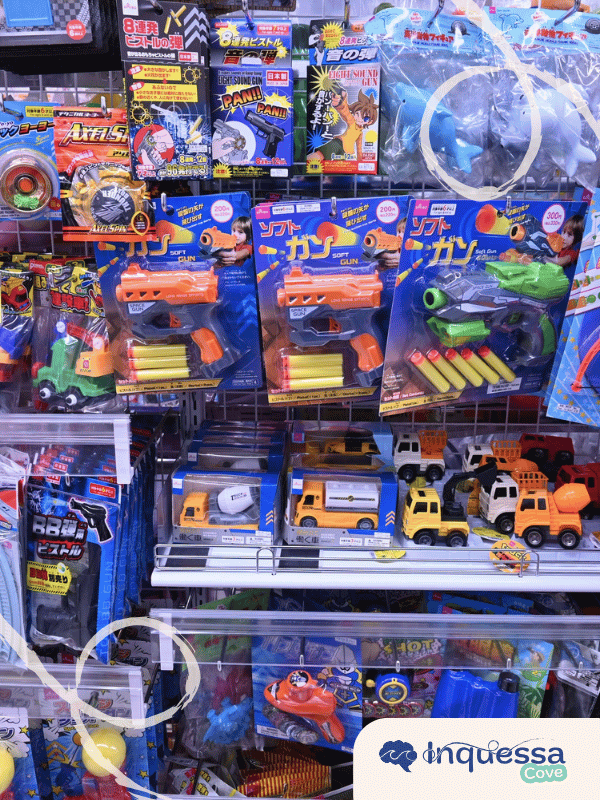
Blister packs, such as clear plastic packages for small toys or batteries, help protect products. They can keep items from being opened, scratched, damaged, or lost while they travel through warehouses and stores.
Clear, rigid PET blister packs can reduce theft and damage to electronics or toys by about 75% during shipping and display. For a company moving many products, preventing loss and damage can matter a lot.
Keeping Food and Goods Fresh or Clean
Packaging can protect products from air, moisture, dirt, and handling. Shelf life is the amount of time a food or product stays safe, fresh, or useful.
A longer shelf life can give a company more time to transport and sell food before it must be removed from a shelf. Other products may mainly need packaging to keep them clean and contained.
Labels, Branding, and Visibility
Companies use branding, designs and logos that help shoppers recognize a product. Plastic can be printed, colored, shaped, or made clear.
Labels can show names, instructions, sizes, and other information. Clear packaging can let shoppers see what is inside. These choices help a product stand out and communicate information.
Why Low Cost Matters to Companies
Unit cost is the cost of making or buying one item. A small difference in unit cost becomes important when a company needs thousands or millions of containers.
A lightweight plastic food container can cost less than one penny to make. It can be about five times cheaper than a similar container made from aluminum or glass. Low weight can also reduce transport needs.
When Business Choices Create Waste
The same packaging that protects a product can become waste soon after the product is bought. A company may need to balance cost, protection, shelf life, shipping, and appearance at the same time.
Plastic packaging can solve several business problems, but it also becomes part of the wider plastic waste system after use.
Packaging Has a Job
Companies use packaging for several jobs at once. It can protect a product, keep it clean, make it easier to ship, and give customers information. Plastic is often chosen because it can be shaped into many forms while staying lightweight and strong.
A bottle of shampoo, a package of pencils, and a box holding electronics may all use plastic differently. Companies compare what a product needs before choosing its packaging. Cost matters, but so do protection, storage, transport, appearance, and what customers expect when they buy something.
Protecting Products in Stores and Shipping
Packaging can prevent products from being crushed, scratched, opened, or lost while they move through warehouses and stores. Blister packs protect small products in separate sealed pockets. For example, medicine tablets may be protected from moisture or damage during storage. Clear rigid versions can also hold toys or electronics where customers can see them.
Clear, rigid PET blister packs can help protect electronics and toys during shipping and store display. They can reduce theft and damage by about 75 percent. For a company moving many products, preventing damaged or missing goods can make protective packaging valuable.
Keeping Food and Goods Fresh or Clean
Packaging can also protect products from air, moisture, dirt, or handling. For foods and some household goods, this can help them remain usable for longer. Shelf life describes how long a food or product can stay safe, fresh, or useful.
A longer shelf life can give companies more time to transport and sell products before they must be removed from shelves. Other products, such as toiletries or school supplies, may need packaging mainly to keep them clean and contained until purchase.
Labels, Branding, and Visibility
Packaging also helps customers recognize and understand a product. Plastic packaging can support branding, helping companies make products recognizable through labels, colors, logos, and design.
Clear packaging can let customers see the item inside, while labels can provide names, instructions, sizes, or other information. For companies, these choices are part of making a product easy to identify on a crowded store shelf.
Why Low Cost Matters to Companies
Companies often produce thousands or millions of packages, so small differences in price can become important. Companies may compare unit cost, the cost of producing one item, when choosing packaging materials.
A factory can make one lightweight plastic food container for less than one penny ($0.01). That is about five times cheaper than an identical container made from aluminum or glass. When a company needs very large numbers of containers, a low unit cost can strongly affect its packaging choice. Weight can matter too, because lighter packaging can be easier to transport.
When Business Choices Create Waste
The same qualities that make plastic useful to companies can also create waste after the product is sold. A package may protect an item for weeks or months but be thrown away soon after purchase.
Changing packaging is not always a simple decision. A company may need to balance cost, protection, shelf life, shipping, visibility, and customer expectations at the same time. Plastic packaging can solve several business problems, but those choices also become part of the larger plastic waste system once the packaging is no longer needed.
Packaging Has a Job
Companies use packaging for several jobs at once. It can protect a product, keep it clean, make it easier to ship, and give customers information. Plastic is often chosen because it can be shaped into many forms while staying lightweight and strong.
A bottle of shampoo, a package of pencils, and a box holding electronics may all use plastic differently. Companies compare what a product needs before choosing its packaging. Cost matters, but so do protection, storage, transport, appearance, and what customers expect when they buy something.
Protecting Products in Stores and Shipping
Packaging can prevent products from being crushed, scratched, opened, or lost while they move through warehouses and stores. Medicine tablets sealed in individual pockets are examples of blister packs, packaging that helps protect products from damage or contamination. Clear rigid versions can also hold toys or electronics where customers can see them.
Wrapping electronics or toys in clear, rigid PET blister packs can reduce store theft and damage by about 75% during long-distance shipping and display. For a company moving many products, preventing damaged or missing goods can make protective packaging valuable.
Keeping Food and Goods Fresh or Clean
Packaging can also protect products from air, moisture, dirt, or handling. For foods and some household goods, this can help them remain usable for longer. The length of time a food or product remains safe, fresh, or useful under expected storage conditions is its shelf life.
A longer shelf life can give companies more time to transport and sell products before they must be removed from shelves. Other products, such as toiletries or school supplies, may need packaging mainly to keep them clean and contained until purchase.
Labels, Branding, and Visibility
Packaging also helps customers recognize and understand a product. Branding helps companies make products recognizable through names, logos, colors, packaging, and other design choices. Plastic can be printed, colored, shaped, or made transparent, giving companies different ways to present what they sell.
Clear packaging can let customers see the item inside, while labels can provide names, instructions, sizes, or other information. For companies, these choices are part of making a product easy to identify on a crowded store shelf.
Why Low Cost Matters to Companies
Companies often produce thousands or millions of packages, so small differences in price can become important. Unit cost, the cost of making or buying one item, can change when production amounts or material prices change.
A manufacturing plant can produce one lightweight plastic food container for less than one penny ($0.01), about five times cheaper than an identical container made from aluminum or glass. When a company needs very large numbers of containers, a low unit cost can strongly affect its packaging choice. Weight can matter too, because lighter packaging can be easier to transport.
When Business Choices Create Waste
The same qualities that make plastic useful to companies can also create waste after the product is sold. A package may protect an item for weeks or months but be thrown away soon after purchase.
Changing packaging is not always a simple decision. A company may need to balance cost, protection, shelf life, shipping, visibility, and customer expectations at the same time. Plastic packaging can solve several business problems, but those choices also become part of the larger plastic waste system once the packaging is no longer needed.
Packaging Has a Job
Companies use packaging for several jobs at once. It can protect a product, keep it clean, make it easier to ship, and give customers information. Plastic is often chosen because it can be shaped into many forms while staying lightweight and strong.
A bottle of shampoo, a package of pencils, and a box holding electronics may all use plastic differently. Companies compare what each product needs before choosing its packaging. Cost matters, but so do protection, storage, transport, appearance, and what customers expect when they buy something.
Protecting Products in Stores and Shipping
Packaging can prevent products from being crushed, scratched, opened, or lost while they move through warehouses and stores. Blister packs are packages that seal products inside individual plastic pockets to help protect them from damage or contamination. Clear, rigid versions can also hold toys or electronics where customers can see the item inside.
Clear, rigid PET blister packs can reduce theft and damage to electronics or toys by about 75 percent during shipping and store display. For a company moving large numbers of products, preventing damaged or missing goods can make this kind of protective packaging valuable.
Keeping Food and Goods Fresh or Clean
Packaging can also protect products from air, moisture, dirt, or repeated handling. For foods and some household goods, this protection can help them remain usable for longer. Shelf life describes how long a product can maintain acceptable quality and safety before it should no longer be used or sold.
A longer shelf life can give companies more time to transport, store, and sell products before they have to be removed from shelves. Other products, such as toiletries or school supplies, may not depend on freshness in the same way, but packaging can still help keep them clean, contained, and protected until purchase.
Labels, Branding, and Visibility
Packaging also helps customers recognize and understand a product. Branding helps make a product recognizable through its name, logo, colors, packaging, and other design choices. Plastic can be printed, colored, shaped, or made transparent, giving companies several ways to present what they sell.
Clear packaging can let customers see the item inside before buying it. Labels can provide names, instructions, sizes, ingredients, or other information. For companies, these choices are part of making a product easy to identify and understand on a crowded store shelf.
Why Low Cost Matters to Companies
Companies often produce thousands or millions of packages, so even a small difference in price can become important. Unit cost is the cost of making or buying one item, and it can change when production amounts or material prices change.
A manufacturing plant can produce one lightweight plastic food container for less than one penny ($0.01). That can make it about five times cheaper than a similar container made from aluminum or glass. When a company needs very large numbers of containers, a low unit cost can strongly affect the packaging it chooses. Weight can matter as well because lighter packaging can be easier and less expensive to transport.
When Business Choices Create Waste
The same qualities that make plastic useful to companies can also create waste after a product is sold. A package may protect an item for weeks or months but be thrown away soon after someone opens or uses the product.
Changing packaging is not always a simple decision. A company may need to balance cost, protection, shelf life, shipping, visibility, and customer expectations at the same time. Plastic packaging can solve several business problems, but those choices also become part of the larger plastic waste system once the packaging is no longer needed.
Key Vocabulary
rigid (adjective) Stiff and not easily bent or crushed. (firm, stiff)
transparent (adjective) Clear enough to see through. (clear, see-through)
inventory (noun) The goods a business has available for sale or storage. (stock, merchandise)
handling (noun) The movement or treatment of a product while it is stored, transported, or sold. (moving, managing)
visibility (noun) ️ How easily something can be seen. (clarity, view)
customer expectation (noun) ️ An idea a shopper has about how a product should look, work, or be presented. (shopper expectation, buyer expectation)
trade-off (noun) ⚖️ A situation where gaining one advantage may involve giving up another. (balance, compromise)
protective packaging (noun) Packaging designed to help prevent damage, contamination, or loss. (protective covering, product protection)
storage (noun) Keeping goods safely in a place until they are needed, moved, or sold. (keeping, warehousing)
appearance (noun) The way a product or package looks. (look, presentation)
label (noun) ️ Information attached to packaging that can show a product’s name, size, instructions, or contents. (product information, tag)
transport cost (noun) Money spent moving goods from one place to another. (shipping cost, delivery cost)
customer information (noun) ℹ️ Details on packaging that help shoppers understand what a product is or how to use it. (product information, buyer information)
