
Where Microplastics Come From
About this Article
Lines of Inquiry
- Different sources of microplastics, from broken plastic to clothing fibers, tire wear, and pellets.
- Causes of tiny plastic release during everyday use and manufacturing.
- Connections among source categories that together create the wider microplastic problem.
Guiding Questions
- Why is it misleading to imagine that all microplastics begin as littered bottles or bags?
- How can something become a source of microplastics even when nobody throws it away?
- What might make some microplastic sources much harder to notice than others?
Where Microplastics Come From
Microplastics Have Many Sources
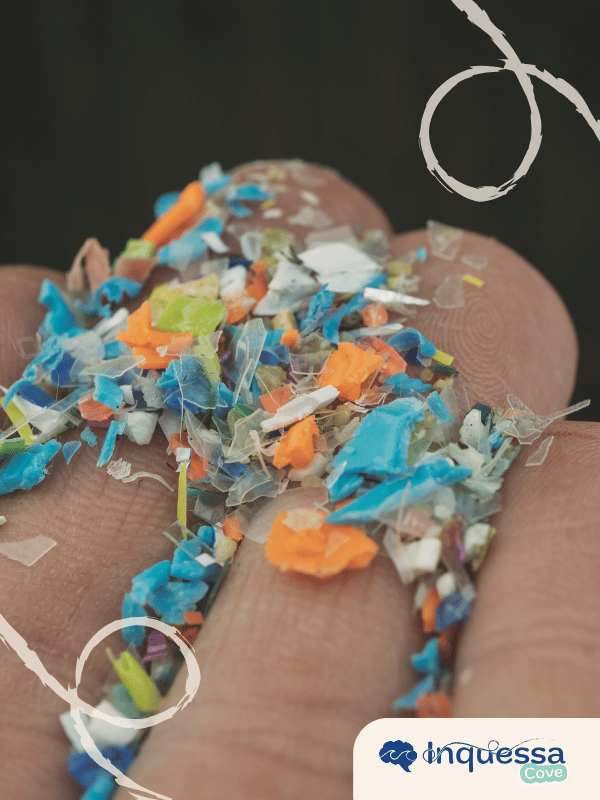
Microplastics do not all begin in the same way. Some are made small from the start. Others form when larger plastic wears down or breaks apart.
Looking at different sources helps explain why tiny plastic can enter water, air, soil, and waste systems from many everyday activities.
Fibers From Clothing and Textiles
Synthetic clothing can release microfibers, very small fibers that break away from fabric.
A single synthetic fleece jacket can shed up to 250,000 plastic microfibers during one cycle in a home washing machine. Some fibers may travel with wastewater after washing.
Clothing can also release fibers through ordinary wear, so washing is one source but not the only one.
Tire Dust From Roads
Vehicle tires wear down as they roll and brake on roads. Tire dust is tiny material worn from tires as vehicles travel.
Synthetic tires can release plastic-containing particles during ordinary use and wear. Rain and wind can move some of these particles away from roads.
Pellets and Industrial Sources
Factories often begin with plastic pellets, small pieces of raw plastic used to make products.
Pellets can spill during production, storage, or transport. Because they are already small, spilled pellets can move into drains, rivers, or other parts of the environment.
Tiny Plastics in Some Products
Some products can also contain very small plastic particles or materials that become tiny during use. Different products and rules vary by place.
The important idea is that microplastics can come from both large plastic breaking down and small plastic released directly.
Many Sources, One Shared Problem
Clothing fibers, tire wear, plastic pellets, and broken plastic all add tiny particles to the environment.
No single source explains all microplastics. Reducing them means understanding several pathways rather than looking for only one cause.
Fragments From Larger Plastic
Some microplastics begin as much larger objects. Bottles, bags, foam, ropes, and containers can weaken when they are exposed to sunlight, weather, friction, and repeated wear. Over time, pieces break away and then continue breaking into smaller fragments.
These fragments are still plastic even when they are too small to recognize as part of the original object. A cracked container, for example, may eventually become many separate pieces instead of one visible item. But fragments from larger plastic are only one source of microplastics.
Fibers From Clothing and Textiles
Another source can be much harder to see. Clothing can release microfibers, tiny fibers that may come loose from synthetic fabrics during wear or washing.
A single synthetic fleece jacket can shed up to 250,000 plastic microfibers in one washing-machine cycle. These fibers may be too small to notice on the clothing or in the wash water, yet large numbers can be released from one garment. This makes clothing and textiles an important source even though they may not look like plastic.
Tire Dust From Roads
Vehicle tires also release tiny particles as they wear. Each time a tire rolls across a road, its surface rubs against the pavement. Over many trips, that repeated contact slowly wears away small amounts of material.
Tire dust forms as tires rub against roads and release tiny particles, some of which can become a source of microplastics. Synthetic tires can release plastic-containing particles during normal use and wear. Unlike a littered bottle or bag, this source is produced gradually through normal movement, which makes it less obvious.
Pellets and Industrial Sources
Microplastics can also begin small instead of breaking off from a larger finished object. Plastic pellets, small plastic pieces used to make products, can become microplastic pollution when they escape.
Factories can melt and shape these pellets into plastic products. Because pellets are already tiny, they can become pollution if they spill or escape before becoming part of a finished product. Other industrial materials can also release small plastic particles during manufacturing and handling.
Tiny Plastics in Some Products
Some products may also contain or leave behind very small plastic residues. These sources are different from fragments that form after years of weathering or fibers released from clothing.
The important point is that not every microplastic begins as a large piece of trash. Some begin small, are used in small forms, or are released during ordinary product use. Their size can make them easy to overlook even when they come from familiar materials.
Many Sources, One Shared Problem
Microplastics come from several different parts of everyday life and industry. Larger plastic objects can fragment, synthetic clothing can shed fibers, tires can wear against roads, and small plastic pellets can escape during production.
No single source explains all microplastic pollution. Some sources are visible, while others appear only as tiny particles released through use, wear, or manufacturing. Understanding these different sources helps explain why microplastics cannot be traced only to bottles, bags, or other obvious litter.
Fragments From Larger Plastic
Some microplastics begin as much larger objects. Bottles, bags, foam, ropes, and containers can weaken as they are exposed to sunlight, weather, friction, and repeated wear. Over time, pieces break away and then continue breaking into smaller fragments.
These fragments are still plastic even when they are too small to recognize as part of the original object. A cracked container, for example, may eventually become many separate pieces rather than one visible item. But fragments from larger plastic are only one source of microplastics.
Fibers From Clothing and Textiles
Another source can be much harder to see. Synthetic fabrics can release extremely small fibers during normal use and washing. Tiny fibers shed from synthetic textiles during washing can enter water and are examples of microfibers.
A single synthetic fleece jacket can shed up to 250,000 plastic microfibers during one cycle in a home washing machine. These fibers may be too small to notice on the clothing or in the wash water, yet large numbers can be released from one garment. This makes clothing and textiles an important source even though they may not look like plastic at all.
Tire Dust From Roads
Vehicle tires also release tiny particles as they wear. Each time a tire rolls across a road, its surface rubs against the pavement. Over many trips, that repeated contact slowly wears away small amounts of material.
Tiny particles worn from vehicle tires are an example of tire dust, a major source of small synthetic particles from roads. Synthetic tires can release plastic-containing particles during ordinary use and wear. Unlike a littered bottle or bag, this source is produced gradually through normal movement, which makes it less obvious.
Pellets and Industrial Sources
Microplastics can also begin small instead of breaking off from a larger finished object. Plastic pellets, small pieces of raw plastic used to make products, can be melted and shaped during manufacturing.
Because pellets are already tiny, they can become pollution if they spill or escape before becoming part of a finished product. Other industrial materials can also produce or release small plastic particles during manufacturing and handling. These sources show that microplastic pollution can begin before a plastic item ever reaches a store or home.
Tiny Plastics in Some Products
Some products may also contain or leave behind very small plastic residues. These sources are different from fragments that form after years of weathering or fibers released from clothing.
The important point is that not every microplastic begins as a large piece of trash. Some are produced small, used in small forms, or released during ordinary product use. Their size can make them easy to overlook even when they come from familiar materials.
Many Sources, One Shared Problem
Microplastics come from several different parts of everyday life and industry. Larger plastic objects can fragment, synthetic clothing can shed fibers, tires can wear against roads, and small plastic pellets can escape during production.
No single source explains all microplastic pollution. Some sources are visible, while others appear only as tiny particles released through use, wear, or manufacturing. Understanding these different source categories helps explain why microplastics cannot be traced only to bottles, bags, or other obvious litter.
Fragments From Larger Plastic
Some microplastics begin as much larger objects. Bottles, bags, foam, ropes, and containers can weaken as they are exposed to sunlight, weather, friction, and repeated wear. Over time, pieces break away and then continue breaking into smaller fragments.
These fragments are still plastic even when they become too small to recognize as part of the original object. A cracked container, for example, may eventually become many separate pieces rather than one visible item. However, fragments from larger plastic are only one source of microplastics.
Fibers From Clothing and Textiles
Another source can be much harder to see. Synthetic fabrics can release extremely small fibers during normal use and washing. Microfibers are extremely small fibers released from synthetic textiles during use or washing.
A single synthetic fleece jacket can shed up to 250,000 plastic microfibers during one cycle in a home washing machine. These fibers may be too small to notice on the clothing or in the wash water, even when large numbers are released from one garment. Clothing and textiles can therefore be an important source of microplastics even though they may not look like plastic at all.
Tire Dust From Roads
Vehicle tires also release tiny particles as they wear. Each time a tire rolls across a road, its surface rubs against the pavement. Over many trips, that repeated contact gradually wears away small amounts of material.
Tire dust is made of tiny particles worn from vehicle tires as they rub against road surfaces. Synthetic tires can release plastic-containing particles through ordinary use and wear. Unlike a littered bottle or bag, this source is produced gradually through normal movement, which makes it much less obvious.
Pellets and Industrial Sources
Microplastics can also begin small instead of breaking away from a larger finished object. Plastic pellets are small pieces of raw plastic used to make plastic products, and manufacturers can melt and shape them during production.
Because pellets are already tiny, they can become pollution if they spill or escape before becoming part of a finished product. Other industrial materials can also produce or release small plastic particles during manufacturing and handling. Therefore, some microplastic pollution can begin before a plastic item ever reaches a store or home.
Tiny Plastics in Some Products
Some products may also contain or leave behind very small plastic residues. These sources are different from fragments that form after years of weathering or fibers released from clothing.
The important distinction is that not every microplastic begins as a large piece of trash. Some are produced in small forms, used in small forms, or released during ordinary product use. Their size can make them easy to overlook even when they come from familiar materials.
Many Sources, One Shared Problem
Microplastics come from several different parts of everyday life and industry. Larger plastic objects can fragment, synthetic clothing can shed fibers, tires can wear against roads, and small plastic pellets can escape during production.
No single source explains all microplastic pollution. Some sources are visible, while others appear only as tiny particles released through use, wear, or manufacturing. Understanding these different source categories therefore helps explain why microplastics cannot be traced only to bottles, bags, or other obvious litter.
Key Vocabulary
fragment (noun) A small piece broken from a larger object. (piece, shard)
synthetic fabric (noun) Fabric made from human-made fibers rather than natural fibers such as cotton or wool. (manufactured fabric, artificial textile)
shed (verb) To release or lose small fibers, particles, or pieces. (release, lose)
wash water (noun) Water used during washing that can carry fibers or other material away. (laundry water, wastewater)
pavement (noun) ️ The hard surface of a road or path. (road surface, paved surface)
ordinary wear (noun) Gradual damage or loss of material caused by normal use over time. (wear and tear, normal wear)
raw plastic (noun) Plastic material before it has been made into a finished product. (plastic material, plastic feedstock)
manufacturing (noun) The process of making materials or products, often in factories. (production, factory making)
industrial source (noun) A source of material or pollution connected to manufacturing, processing, storage, or transport. (factory source, industry source)
residue (noun) A small amount of material left behind after use or another process. (remains, leftover material)
production (noun) ⚙️ The process of making a product or material. (manufacturing, making)
handling (noun) The moving, storing, loading, or managing of materials or products. (management, movement)
spill (verb) To accidentally let a material escape from where it is being stored, moved, or used. (leak, scatter)
source category (noun) ️ A group of sources that produce or release material in a similar way. (source type, source group)
