When Plastic Started Looking Like a Problem
About this Article
Lines of Inquiry
- How public understanding of plastic changed as evidence of waste and pollution accumulated over time.
- How plastic’s useful properties can also contribute to environmental problems after disposal.
- How observations from communities, wildlife, and scientific research helped reveal the wider reach of plastic pollution.
Guiding Questions
- Why did concerns about plastic develop gradually rather than appearing all at once?
- How can the same property that makes plastic useful during use create problems after disposal?
- How did evidence from different places help change people’s understanding of plastic waste?
When Plastic Started Looking Like a Problem
Plastic as a Modern Wonder
For much of its history, people valued plastic for the problems it could solve. Plastic could be light, strong, flexible, or waterproof. It could also be shaped into many different products for homes, stores, workplaces, and other parts of daily life.
At first, people often saw plastic’s ability to last as a good thing. Over time, they began to notice that this useful quality could also cause problems. Plastic could keep lasting even after a product was no longer useful.
Waste That Did Not Go Away
As people used and threw away more plastic, they began to notice how long it remained. Plastic waste is plastic that has been thrown away because it is no longer wanted or being used. Because plastic is durable, this waste can remain long after the original product is gone.
In 1997, oceanographer Charles Moore discovered the Great Pacific Garbage Patch. It is a huge area of marine debris that has grown to cover about 1.6 million square kilometers. Marine debris is waste such as plastic, fishing gear, or other rubbish found in oceans and along coasts. This debris can affect wildlife and habitats.
Litter in Cities, Rivers, and Coasts
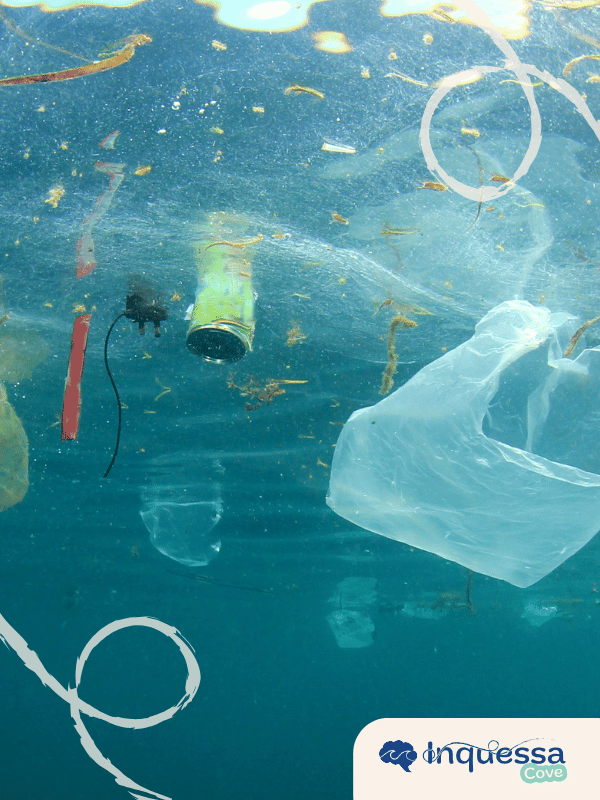
Plastic concerns were not limited to distant parts of the ocean. People could see discarded bags, bottles, packaging, and other items collecting in cities, waterways, and along coasts.
When plastic waste builds up or spreads through nature, it creates plastic pollution. Visible litter helped change the way people thought about plastic. A product might no longer be useful, but its plastic could remain and move through the environment. Growing amounts of waste could also create more cleanup work and put pressure on habitats and waste systems.
Growing Concern for Wildlife
Wildlife gave people another reason to pay attention. Plastic debris could enter the places where animals lived. A discarded product that had once been useful could become a danger inside a habitat.
These observations helped people connect everyday plastic use with environmental effects. Concern did not appear everywhere at the same time. Instead, evidence from different places slowly added to a growing understanding of the plastic waste problem.
Scientists and Communities Raise Questions
Scientists began studying where plastic traveled after it entered the environment. Communities were also dealing with litter and cleanup problems close to home. Together, these experiences raised questions about how far plastic waste could spread.
Scientists have found plastic pollution in some of the deepest places on Earth. Synthetic fibers were found inside tiny creatures living 10,890 meters down in the Mariana Trench. Findings like this showed that plastic could reach places very far from where people first used it.
A Useful Material Becomes a Public Problem
Plastic did not suddenly stop being useful when concerns about waste grew. Its useful qualities still mattered. What changed was people’s understanding of what could happen after plastic was used and thrown away.
The change happened gradually. People saw litter that did not disappear, became concerned about wildlife, and learned from new scientific evidence. Communities also faced growing cleanup problems. Together, these experiences changed the way people saw plastic. A useful material could also create long-lasting environmental problems.
Plastic as a Modern Wonder
For much of its history, plastic was valued for the problems it could solve. It could be made light, strong, flexible, or waterproof, and manufacturers could shape it into many different products. Plastic became useful in homes, stores, workplaces, and other parts of daily life. At first, the qualities that made plastic last were often seen as advantages. Over time, people began to notice that these same qualities could create problems after plastic was no longer useful.
Waste That Did Not Go Away
As more plastic products were used and thrown away, their durability became harder to ignore. Plastic waste is discarded plastic material that is no longer being used for its original purpose. Because plastic is durable, this waste may remain in waste systems or the environment long after an item has been used.
In 1997, oceanographer Charles Moore discovered the Great Pacific Garbage Patch. It is a huge area of swirling marine debris that has grown to cover about 1.6 million square kilometers. Marine debris, waste such as plastic in oceans, can harm marine environments and wildlife.
Litter in Cities, Rivers, and Coasts
Plastic concerns were not limited to distant parts of the ocean. People could see bags, bottles, packaging, and other discarded items collecting in cities, waterways, and along coasts. When plastic waste builds up in the environment, it is called plastic pollution.
This visible litter helped change how people thought about plastic. A material designed to last could keep moving through the environment after its useful life ended. Growing amounts of plastic waste could increase pollution, cleanup needs, pressure on habitats, and strain on waste systems.
Growing Concern for Wildlife
Wildlife gave people another reason for concern. Plastic debris could enter places where animals lived, turning discarded products into hazards inside their habitats. Marine debris was especially noticeable because waste could remain in coastal and ocean environments instead of disappearing after disposal.
These observations helped people connect everyday plastic use with environmental effects. Concern did not appear everywhere at the same time. Evidence from different places slowly added to a growing understanding that plastic waste could affect more than streets and waste bins.
Scientists and Communities Raise Questions
Scientists began studying where plastic was traveling and what happened after it entered the environment. Communities also faced litter and cleanup problems close to home. Together, these observations raised questions about how far plastic waste could spread.
Scientists studying deep-sea ecosystems have found plastic pollution in some of the deepest places on Earth. Synthetic fibers were discovered inside tiny creatures living 10,890 meters down in the Mariana Trench. Findings like this showed that plastic could reach environments far from the places where people first used it.
A Useful Material Becomes a Public Problem
Plastic did not suddenly stop being useful when concerns about waste grew. Its useful qualities remained important in many systems. What changed was how people understood the effects of widespread plastic use and disposal.
The change happened gradually. Visible litter, long-lasting waste, wildlife concerns, scientific evidence, and community experiences all added to a different picture of plastic. A material once celebrated mainly for durability and convenience was increasingly recognized as something that could also create long-lasting environmental problems.
Plastic as a Modern Wonder
For much of its history, plastic was valued for the problems it could solve. It could be made light, strong, flexible, or waterproof, and manufacturers could shape it into many different products. Plastic became useful in homes, stores, workplaces, and other parts of everyday life. At first, the qualities that made plastic last were often seen as advantages. Over time, however, people began to notice that those same qualities could create problems after plastic products were no longer useful.
Waste That Did Not Go Away
As more plastic products were used and thrown away, their durability became harder to ignore. Plastic waste is discarded plastic material that is no longer wanted or being used for its original purpose. Because plastic is durable, plastic waste can remain in waste systems or the environment long after a product has been used.
The alarm on plastic waste was sounded decades ago. In 1997, oceanographer Charles Moore discovered the Great Pacific Garbage Patch. It is a huge area of swirling marine debris that has grown to cover about 1.6 million square kilometers. Marine debris, waste such as plastic, fishing gear, or other rubbish found in oceans and coasts, can harm wildlife and habitats.
Litter in Cities, Rivers, and Coasts
Plastic concerns were not limited to distant parts of the ocean. People could see discarded bags, bottles, packaging, and other items collecting in cities, waterways, and along coasts. A situation in which plastic waste accumulates or spreads through natural environments is called plastic pollution.
This visible litter helped change how people thought about plastic. A material designed to last could continue moving through the environment after its useful life ended. As plastic waste accumulated, it could increase pollution, cleanup demands, habitat pressure, and strain on waste systems.
Growing Concern for Wildlife
Wildlife provided another reason for concern. Plastic debris could enter places where animals lived, turning discarded products into hazards within habitats. Marine debris was especially noticeable because waste could remain in coastal and ocean environments rather than disappearing after disposal.
These observations helped people connect everyday plastic use with environmental effects. Concern did not appear everywhere at the same moment. Instead, evidence from different places gradually added to a growing understanding that plastic waste could affect more than streets and waste bins.
Scientists and Communities Raise Questions
Scientists began investigating where plastic was traveling and what happened after it entered the environment. Communities also faced litter and cleanup problems close to home. Together, these observations raised questions about how far plastic waste could spread.
Marine biologists studying deep-sea ecosystems have found plastic pollution in some of the deepest places on Earth. Synthetic fibers were discovered inside tiny creatures living 10,890 meters down in the Mariana Trench. Findings like this showed that plastic could reach environments far from the places where people first used it.
A Useful Material Becomes a Public Problem
Plastic did not suddenly stop being useful when concerns about waste grew. Its useful qualities remained important in many systems. What changed was the way people understood the consequences of widespread use and disposal.
The shift happened gradually. Visible litter, long-lasting waste, wildlife concerns, scientific evidence, and community experiences all contributed to a different picture of plastic. A material once celebrated mainly for durability and convenience was increasingly recognized as something that could also create persistent environmental problems.
Plastic as a Modern Wonder
For much of its history, plastic was valued for the problems it could solve. Manufacturers could make it light, strong, flexible, waterproof, or easy to shape, allowing plastic to enter homes, stores, workplaces, and many other parts of everyday life.
At first, durability was usually considered an advantage. A material that resisted water, wear, and damage could remain useful for a long time. As plastic production and disposal increased, however, people began noticing that the same durability could create problems after a product’s useful life had ended.
Waste That Did Not Go Away
Plastic waste is plastic material that has entered a waste stream or environment after its useful purpose has ended. Because plastic can remain intact or break into smaller pieces rather than disappearing quickly, disposal may continue to matter long after the original product is no longer being used.
Concern about plastic waste has been growing for decades. In 1997, oceanographer Charles Moore discovered the Great Pacific Garbage Patch, a vast area of swirling marine debris that now spans about 1.6 million square kilometers. Marine debris, waste such as plastic or fishing gear in oceans, can travel far from where it entered the water.
The Great Pacific Garbage Patch became one visible sign that discarded material could remain in ocean systems and gather far from the places where people had originally used it.
Litter in Cities, Rivers, and Coasts
Concerns about plastic were not limited to distant ocean regions. Bags, bottles, packaging, and other discarded items could also accumulate in cities, rivers, waterways, and along coastlines.
A condition in which discarded plastic persists and accumulates across land, water, or other environmental systems is called plastic pollution. Visible litter helped reveal that plastic designed to last could continue moving through the environment after its original purpose had ended.
As waste accumulated, communities could face greater cleanup demands, pressure on habitats, and additional strain on waste systems. These effects helped change the way people understood plastic’s long-lasting qualities.
Growing Concern for Wildlife
Wildlife provided another reason to examine what happened after plastic was discarded. Debris could enter habitats and remain there, turning ordinary products into hazards within places where animals lived.
Marine debris drew particular attention because discarded materials could persist in coastal and ocean environments instead of disappearing after disposal. Observations of wildlife and habitats helped connect everyday plastic use with consequences that extended beyond streets, homes, and waste bins.
Concern did not develop everywhere at the same time. Evidence accumulated gradually as people in different places encountered different parts of the problem.
Scientists and Communities Raise Questions
Scientists began investigating how far plastic could travel and where it could end up, while communities continued dealing with litter and cleanup problems closer to home. Together, these observations expanded the questions surrounding plastic waste.
Plastic pollution has been found even in some of Earth’s deepest environments: synthetic fibers were discovered inside tiny creatures living 10,890 meters down in the Mariana Trench. Evidence from such an extreme location showed how far plastic could move from the places where people originally produced, used, or discarded it.
Findings from deep oceans, coastlines, rivers, cities, and other environments gradually added to a much broader picture of plastic pollution.
A Useful Material Becomes a Public Problem
Plastic did not stop being useful as concern about waste increased. Its strength, flexibility, low weight, and durability continued to make it valuable in many products and systems.
What changed was the understanding of what could happen after those products were discarded. Visible litter, persistent waste, wildlife concerns, scientific evidence, and community experiences gradually showed that plastic’s useful qualities could also contribute to long-lasting environmental problems.
The shift from useful material to public concern therefore happened over time rather than through one discovery or event. Plastic remained valuable for many purposes, but its benefits could no longer be considered separately from the waste created across its wider life cycle.
Key Vocabulary
durability (noun) ⏳ The ability of a material or product to resist damage and last for a long time. (long-lasting quality, toughness)
waterproof (adjective) Able to keep water from passing through. (water-resistant, sealed)
accumulate (verb) To gather or build up over time. (collect, increase)
habitat (noun) The natural place where a plant or animal lives. (home, living environment)
hazard (noun) ⚠️ Something that can cause harm or danger. (danger, risk)
cleanup (noun) The work of removing waste, pollution, or unwanted material from a place. (cleaning, removal)
synthetic (adjective) Made by people through chemical or industrial processes rather than occurring naturally in that form. (human-made, manufactured)
ecosystem (noun) A community of living things and the nonliving environment they interact with. (living system, environment)
persistent (adjective) ️ Continuing to remain or exist for a long time. (lasting, enduring)
