
When Plastic Is Convenient
About this Article
Lines of Inquiry
- The qualities that make plastic convenient for carrying, storing, protecting, and organizing everyday items.
- Connections between convenience and the routines or systems surrounding a plastic product.
- Different perspectives on the trade-off between a product’s short period of usefulness and what happens after it becomes waste.
Guiding Questions
- Why can several small advantages make plastic especially useful in a busy routine?
- How can the same reusable system be less convenient for one person but more convenient for a business or school?
- Why should the useful part of a product’s life be considered together with what happens after use?
When Plastic Is Convenient
Easy to Carry, Store, and Use
Plastic is often convenient because it has several useful qualities. It can be lightweight, strong, inexpensive, and easy to shape into containers.
The quality of being easy to carry or move is called portability. A lightweight drink bottle can travel from home to school or sports practice without adding much weight to a bag. Plastic containers can also be stored without the same risk of breaking as glass.
These qualities help explain why plastic is common in packed lunches, takeout food, travel products, and everyday storage. Convenience comes partly from how well a material fits the job people need it to do.
Plastic in Busy Routines
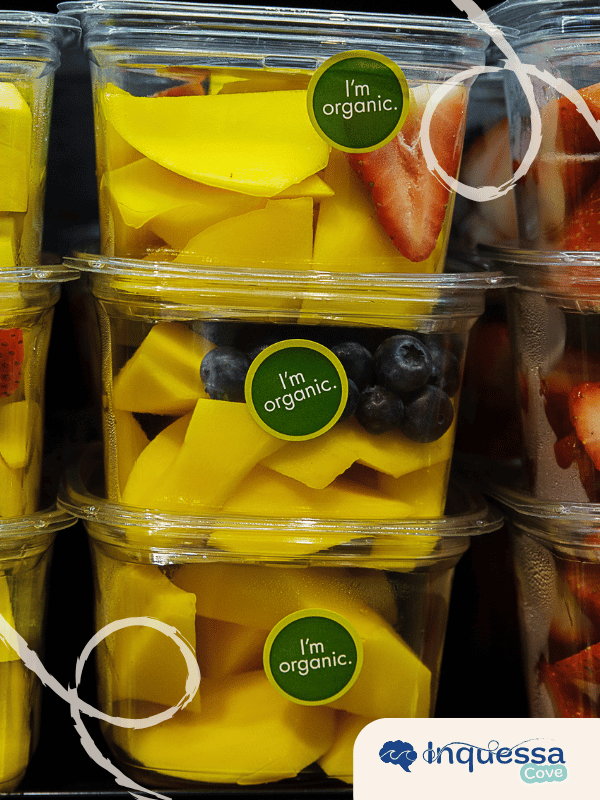
Convenience can matter even more when people have limited time. A packaged snack can go straight into a school bag. A takeout container can hold food without needing to be returned immediately. A bottle with a secure lid can be carried almost anywhere.
These choices are not simply about wanting the easiest option. Plastic can help keep food contained, keep items clean, reduce spills, and make supplies easier to organize.
When an item is light, inexpensive, available, and ready to use, several small advantages can make it fit easily into a busy routine.
Convenience for Shops and Schools
Plastic can also be convenient for shops, schools, and other organizations. Stores need packaging that protects products, fits on shelves, and can be stored in large amounts. Schools may need supplies that are light, strong, easy to hand out, and simple to store.
Single-use products can seem convenient because they do not need to be collected, washed, stored, and handed out again after every use.
Reuse can work differently. Businesses that allow people to bring their own bags, cups, or containers can reduce the amount they spend on single-use supplies and the space needed to store them. A reusable system may require more planning from users while reducing other needs for the organization.
The Trade-Off After Convenience
The qualities that make plastic convenient during use do not decide what happens afterward. A lightweight wrapper, bottle, or cup may do its job quickly and then become waste.
Some single-use plastic items are used for only a few minutes before they are thrown away. The useful time may be very short even though the plastic itself can remain for much longer.
This creates a trade-off. A plastic item can make one moment easier while also adding another item to the waste system.
Recognizing this trade-off does not mean convenience is unimportant. Plastic became common partly because it solves real problems with transport, cleanliness, storage, cost, and speed. Understanding plastic use means looking at those benefits together with what happens after the convenient part of the product’s life is over.
Easy to Carry, Store, and Use
Plastic is often convenient because it combines several useful qualities in one material. It can be lightweight, strong, inexpensive, and shaped into containers that are easy to stack or carry. The quality that makes an object easy to carry, transport, or use in different places is called portability.
A lightweight drink bottle can move from home to school or sports practice without adding much weight to a bag. Plastic containers can also be stored without the same breakage risk as glass. These qualities help explain why plastic is common in packed lunches, takeout food, travel products, and everyday storage. Convenience comes from how well the material fits the job and the routine around it.
Plastic in Busy Routines
Convenience becomes especially noticeable when people have limited time. A packaged snack can go directly into a school bag. Takeout containers can hold food without dishes needing to be returned right away. A bottle with a secure lid can be carried and used almost anywhere.
These choices are not simply about wanting the easiest option. Plastic can help keep food contained, keep items clean, reduce spills, and make supplies easier to organize. In a busy routine, several small advantages can work together. An item that is light, inexpensive, available, and ready to use may become a common choice because it solves several practical problems at once.
Convenience for Shops and Schools
Plastic can also be convenient for organizations that provide products. Shops need packaging that protects goods, fits on shelves, and can be stored in large amounts. Schools may need containers or supplies that are light, durable, easy to hand out, and simple to store.
Single-use products can seem especially convenient because an organization does not need to collect, wash, store, and hand them out again after every use. Reuse can work differently. Businesses that allow people to bring their own bags, cups, or containers can spend less on single-use supplies and need less space to store them. Convenience therefore depends partly on how a system is organized. A reusable option may require more planning from users while reducing other needs for the organization.
The Trade-Off After Convenience
The qualities that make plastic convenient during use do not decide what happens afterward. A lightweight wrapper or cup may do its job quickly and then become waste.
Some single-use plastic items are used for only a few minutes before they are thrown away. The useful part of the product’s life can be very short even though the material itself lasts much longer. This creates a trade-off: a product can make one moment easier while adding another item to the waste system.
Recognizing that trade-off does not mean convenience is unimportant or that people are wrong to value it. Plastic became common partly because it solves real problems involving transport, cleanliness, storage, cost, and speed. Evaluating plastic use means considering those benefits alongside what happens after the convenient part of the product’s life is over.
When Plastic Is Convenient
Easy to Carry, Store, and Use
Plastic is often convenient because it combines several useful qualities in one material. It can be lightweight, strong, inexpensive, and shaped into containers that are easy to stack or carry. The quality that makes an object easy to carry, transport, or use in different places is called portability.
A lightweight drink bottle can move from home to school or sports practice without adding much weight to a bag. Plastic containers can also be stored without the breakage risk of glass. These qualities help explain why plastic has become common in packed lunches, takeout food, travel products, and everyday storage. Convenience comes from how well the material fits the job and the routine around it.
Plastic in Busy Routines
Convenience becomes especially noticeable when people have limited time. A packaged snack can go directly into a school bag. Takeout containers can hold food without needing dishes to be returned immediately. A bottle with a secure lid can be carried and used almost anywhere.
These choices are not simply about people wanting the easiest possible option. Plastic can help food stay contained, keep items clean, reduce spills, and make supplies easier to organize. In a busy routine, several small advantages can combine. An item that is light, inexpensive, available, and ready to use may become an automatic choice because it solves several practical problems at once.
Convenience for Shops and Schools
Plastic can also be convenient for the organizations providing products. Shops need packaging that can protect goods, fit on shelves, and be stored in large quantities. Schools may need containers or supplies that are light, durable, easy to distribute, and simple to store.
Single-use products can seem especially convenient because an organization does not need to collect, wash, store, and redistribute them after every use. Reuse can work differently. Businesses that allow people to bring their own bags, cups, or containers can reduce the amount they spend on single-use supplies and the space needed to store them. Convenience therefore depends partly on how a system is organized. A reusable option may require more planning from users while reducing other needs for the organization.
The Trade-Off After Convenience
The qualities that make plastic convenient during use do not determine what happens afterward. A lightweight wrapper or cup may perform its job quickly and then become waste.
Some single-use plastic items are used for only a few minutes before they are thrown away. The useful period can be extremely short even though the material itself remains much longer. This creates a trade-off: a product can make one moment easier while adding another item to the waste system.
Recognizing that trade-off does not mean convenience is unimportant or that people are wrong to value it. Plastic became common partly because it solves real problems involving transport, cleanliness, storage, cost, and speed. Evaluating plastic use means considering those benefits alongside what happens once the convenient part of the product’s life is over.
Easy to Carry, Store, and Use
Plastic is often convenient because it combines several useful qualities in one material. It can be lightweight, strong, inexpensive, and shaped into containers that are easy to stack, store, or carry. Portability is the quality that makes an object easy to carry, transport, or use in different places.
A lightweight drink bottle can travel from home to school or sports practice without adding much weight to a bag. Plastic containers can also be stored without the same risk of breakage as glass. These qualities help explain why plastic is common in packed lunches, takeout food, travel products, and everyday storage. Its convenience comes from how well the material fits both the job and the routine around it.
Plastic in Busy Routines
Convenience becomes especially noticeable when people have limited time. A packaged snack can go straight into a school bag. A takeout container can hold food without requiring dishes to be returned immediately. A bottle with a secure lid can be carried and used in many different places.
These choices are not simply about people wanting the easiest possible option. Plastic can help keep food contained, protect items from dirt, reduce spills, and make supplies easier to organize. In a busy routine, several small advantages can work together. An item that is lightweight, affordable, available, and ready to use may become a common choice because it solves several practical problems at once.
Convenience for Shops and Schools
Plastic can also be convenient for the organizations that provide products. Shops need packaging that protects goods, fits on shelves, and can be stored in large quantities. Schools may need containers or supplies that are lightweight, durable, easy to distribute, and simple to store.
Single-use products can seem especially convenient because an organization does not need to collect, wash, store, and redistribute them after every use. Reuse changes that pattern. Businesses that allow customers to bring reusable bags, cups, or containers can reduce both spending on single-use supplies and the storage space those supplies require. Convenience therefore depends partly on how the system is organized. A reusable option may require more planning from the user while reducing other needs for the organization.
The Trade-Off After Convenience
The qualities that make plastic convenient during use do not determine what happens after the product has served its purpose. A lightweight wrapper, cup, or container may perform its job quickly and then enter the waste system.
Some single-use plastic products perform their useful job for only a few minutes before becoming waste. The useful period may be extremely short even though the plastic itself remains for much longer. This creates a trade-off: a product can make one moment easier while adding another item to the waste system.
Recognizing that trade-off does not mean convenience is unimportant or that people are wrong to value it. Plastic became common partly because it solves real problems involving transport, cleanliness, storage, cost, and speed. Evaluating plastic use means considering those benefits alongside what happens after the convenient part of the product’s life is over.
Key Vocabulary
lightweight (adjective) Not heavy and therefore easier to carry or move. (light, low-weight)
inexpensive (adjective) Costing relatively little money. (low-cost, affordable)
stack (verb) To place items neatly on top of one another. (pile, arrange)
packed lunch (noun) A meal prepared to be carried and eaten away from home. (lunch to go, portable lunch)
takeout food (noun) Food prepared by a restaurant or shop to be eaten somewhere else. (takeaway food, food to go)
busy routine (noun) ⏰ A daily pattern with many activities and limited time. (busy schedule, daily routine)
secure lid (noun) A lid that closes firmly and helps prevent spills. (tight lid, closed lid)
contained (adjective) Kept safely inside a container or space. (held, enclosed)
spill (noun) Liquid or material that accidentally escapes from its container. (leak, overflow)
ready to use (adjective) ✅ Prepared so it can be used immediately. (prepared, immediately usable)
distribute (verb) To give or send items out to different people or places. (hand out, supply)
redistribute (verb) To collect and give items out again for another use. (hand out again, recirculate)
trade-off (noun) ⚖️ A situation where one benefit comes with a disadvantage or cost. (compromise, balance)
