
When Food Packaging Becomes Waste
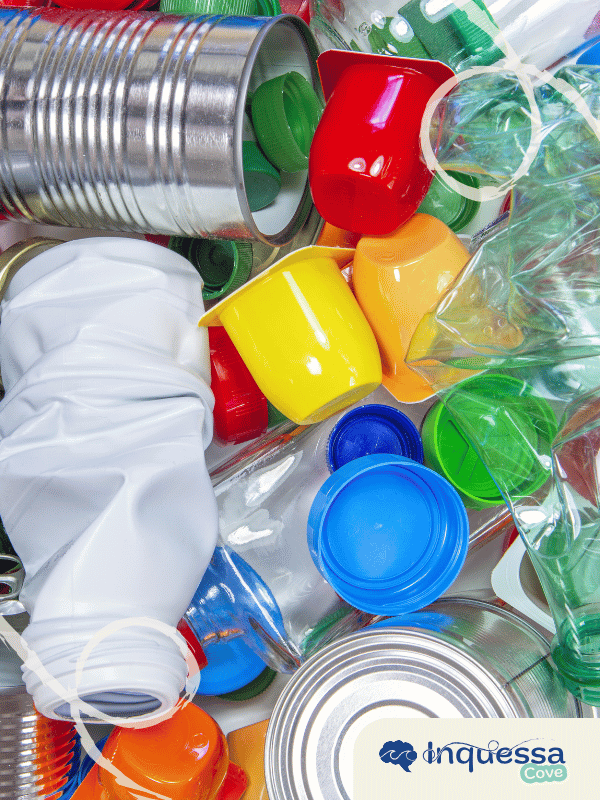
About this Article
Lines of Inquiry
- How food packaging becomes waste at different stages in homes, schools, shops, and food-service systems.
- How many small discarded items can create a large waste flow when repeated across everyday routines.
- How structural waste can be created by system design rather than only by individual disposal choices.
Guiding Questions
- When does food packaging become waste?
- Why can small items such as wrappers, caps, and pull-tabs create a large waste problem when used repeatedly?
- How can system design create waste even when individuals dispose of items correctly?
When Food Packaging Becomes Waste
After the Food Is Opened
Food packaging is useful while it protects, stores, carries, or presents food. Once the package is no longer needed and is thrown away, it becomes packaging waste.
That can happen before all the food is eaten. A snack wrapper becomes waste as soon as it is opened and thrown away. A tray may become waste when food is moved onto a plate. Plastic film or a box may be discarded while groceries are being unpacked.
Packaging becomes waste when its job is finished, not only when the food itself is gone.
Packaging at Home
Homes can create packaging waste throughout the day. Grocery shopping may bring in plastic films, bags, tubs, bottles, boxes, lids, and wrappers.
Some packages hold one food item. Others keep several items together while they are being moved.
Much of this packaging is small and quickly disappears into a rubbish or recycling bin. But every piece still becomes part of a larger waste system. Some materials may be collected for recycling, while others may be burned, buried, or handled in other ways.
Packaging in School Lunches
Schools can create food packaging waste from lunchboxes, cafeterias, classroom snacks, and prepared meals.
Foodservice packaging is packaging used to protect, carry, or serve prepared food. It includes items such as cups, lids, trays, wrappers, and containers.
The amount can become very large when hundreds of students eat each day.
U.S. public schools generate about 14,500 tons of everyday waste each day. About 42 percent of that waste comes from food packaging.
One wrapper may seem small, but schools handle many thousands of small items across classrooms and cafeterias.
Waste From Stores and Food Service
Food packaging can become waste before it ever reaches a home or school. Stores may remove plastic wrap, boxes, trays, or other materials while unpacking and displaying products.
Cafeterias and food businesses may also throw away containers, lids, films, and other packaging during preparation or service.
This means food packaging waste comes from many places. It appears in stores, kitchens, cafeterias, homes, and lunchboxes. Some of it is easy for customers to see, while other packaging is thrown away behind the scenes.
Why Small Pieces Add Up
A bottle cap or candy wrapper is tiny compared with a full rubbish bag. But small pieces can add up when the same kinds of items are thrown away again and again.
Small plastic items can make up a large share of litter. Bottle caps, candy wrappers, and plastic pull-tabs make up about 60 percent of the litter collected during international beach cleanups.
When normal products and routines keep creating the same kinds of waste, this is called structural waste. Structural waste is built into the way a system works.
This means reducing waste may require more than asking people to throw things away correctly. It can also mean changing the products, packaging, or routines that keep creating the waste in the first place.
After the Food Is Opened
Food packaging is useful while it protects, stores, carries, or presents food. When packaging reaches the end of its useful purpose and enters a waste stream, it becomes packaging waste.
That can happen before all the food is eaten. A wrapper becomes waste as soon as a snack is opened and the wrapper is thrown away. A tray may become waste when food is moved onto a plate. A cardboard box or plastic film may be discarded while groceries are being unpacked. Packaging waste begins when the package is no longer needed, not only when the food itself is gone.
Packaging at Home
Homes can create packaging waste throughout the day. Grocery shopping may bring in plastic films, bags, tubs, bottles, boxes, lids, and wrappers. Some packages hold one food item, while others keep several items together during transport.
Much of this packaging is small enough to disappear quickly into a rubbish or recycling bin. However, every piece still becomes part of a larger waste system. At a larger scale, many small pieces of packaging waste from everyday products can create substantial amounts of material. Packaging waste becomes part of wider collection, sorting, recycling, recovery, and disposal systems after use.
Packaging in School Lunches
Schools can produce food packaging waste from lunchboxes, cafeterias, classroom snacks, and prepared meals. Foodservice packaging is packaging used for prepared foods and drinks. Examples include cups, lids, wrappers, trays, and takeout containers.
The amount can become surprisingly large when hundreds of students eat each day.
U.S. public schools generate about 14,500 tons of everyday waste each day, and about 42 percent of that waste comes from food packaging.
A single wrapper may seem unimportant, but schools handle many thousands of small items across classrooms and cafeterias.
Waste From Stores and Food Service
Packaging can also become waste before food reaches a home or school. Stores may remove plastic wrap, boxes, trays, or other materials while unpacking and displaying products. Cafeterias and food businesses may discard containers, lids, films, and other packaging during preparation or service.
This means food packaging waste does not come from one place. It appears at different points in food routines, including stores, kitchens, cafeterias, homes, and lunchboxes. Some pieces are visible to customers, while others are thrown away behind the scenes.
Why Small Pieces Add Up
A candy wrapper or bottle cap is tiny compared with a large rubbish bag. Yet small pieces can become a large problem when the same kinds of items are discarded again and again.
Small plastic items such as bottle caps, candy wrappers, and plastic pull-tabs make up about 60 percent of the litter collected during international beach cleanups.
Their size does not prevent them from adding up.
When products or routines repeatedly create waste because of system design, it is called structural waste. This means repeated packaging choices can create large amounts of waste across the system. Food packaging shows how millions of small pieces, each used briefly, can become a much larger flow of waste across homes, schools, stores, and food services.
After the Food Is Opened
Food packaging is useful while it protects, stores, carries, or presents food. Once that job is finished and the material is discarded, it becomes packaging waste.
That can happen before all the food is eaten. A wrapper becomes waste as soon as a snack is opened and the wrapper is thrown away. A tray may become waste when food is moved onto a plate. A cardboard box or plastic film may be discarded while groceries are being unpacked. Packaging waste begins when the package is no longer needed, not only when the food itself is gone.
Packaging at Home
Homes can create packaging waste throughout the day. Grocery shopping may bring in plastic films, bags, tubs, bottles, boxes, lids, and wrappers. Some packages hold one food item, while others keep several items together during transport.
Much of this packaging is small enough to disappear quickly into a rubbish or recycling bin. However, every piece still becomes part of a larger waste system. Some materials may be collected for recycling, while others may be burned, buried, or handled in other ways. The important point is that unpacking and eating food creates a steady flow of discarded material.
Packaging in School Lunches
Schools can produce food packaging waste from lunchboxes, cafeterias, classroom snacks, and prepared meals. Meals often use foodservice packaging, including cups, lids, trays, wrappers, and containers that protect or carry prepared food.
The amount can become surprisingly large when hundreds of students eat each day.
U.S. public schools generate about 14,500 tons of everyday waste each day, and about 42 percent of that waste comes from food packaging.
A single wrapper may seem unimportant, but schools handle many thousands of small items across classrooms and cafeterias.
Waste From Stores and Food Service
Packaging can also become waste before food reaches a home or school. Stores may remove plastic wrap, boxes, trays, or other materials while unpacking and displaying products. Cafeterias and food businesses may discard containers, lids, films, and other packaging during preparation or service.
This means food packaging waste does not come from one place. It appears at different points in food routines, including stores, kitchens, cafeterias, homes, and lunchboxes. Some pieces are visible to customers, while others are thrown away behind the scenes.
Why Small Pieces Add Up
A candy wrapper or bottle cap is tiny compared with a large rubbish bag. Yet small pieces can become a large problem when the same kinds of items are discarded again and again.
Small plastic items such as bottle caps, candy wrappers, and plastic pull-tabs make up about 60 percent of the litter collected during international beach cleanups.
Their size does not prevent them from adding up.
When system design repeatedly creates waste through normal products or routines, it is called structural waste. This means reducing structural waste may require changing systems, not only individual disposal choices. Food packaging shows how millions of small pieces, each used briefly, can become a much larger flow of waste across homes, schools, stores, and food services.
After the Food Is Opened
Food packaging is useful while it protects, stores, carries, or presents food. Once that job is finished and the material is discarded, it becomes packaging waste. This can happen before all the food is eaten: a wrapper becomes waste when a snack is opened, a tray may be discarded when food is moved onto a plate, and plastic film or a box may be thrown away while groceries are being unpacked.
Packaging waste therefore begins when the package is no longer needed, not only when the food itself is gone. A material may have protected food for days or weeks but become waste within moments once someone opens or unpacks it.
Packaging at Home
Homes can create packaging waste throughout the day. Grocery shopping may bring in films, bags, tubs, bottles, boxes, lids, and wrappers. Some packages hold a single food item, while others keep several products together during transport.
Many of these pieces are small enough to disappear quickly into a rubbish or recycling bin, but they still enter a larger waste system. Some may be collected for recycling, while others are burned, buried, or managed in other ways. Everyday eating and unpacking can therefore create a steady flow of discarded packaging.
Packaging in School Lunches
Schools can produce food packaging waste through lunchboxes, cafeterias, classroom snacks, and prepared meals. Foodservice packaging includes materials used to contain, protect, or transport prepared food and drinks, such as cups, trays, wrappers, and takeaway containers.
The amount becomes much larger when hundreds of students eat every day. U.S. public schools generate about 14,500 tons of everyday waste each day, and about 42 percent of it comes from food packaging. A single wrapper may seem insignificant, but schools handle thousands of small food packages across classrooms and cafeterias.
Waste From Stores and Food Service
Packaging can also become waste before food reaches a home or school. Stores may remove plastic wrap, boxes, trays, or other materials while unpacking products for display. Cafeterias and food businesses may discard containers, lids, films, and other packaging during preparation or service.
Food packaging waste therefore comes from several points in the food system, including stores, kitchens, cafeterias, homes, and lunchboxes. Some pieces are visible to customers, while other packaging is discarded behind the scenes before the food is ever served.
Why Small Pieces Add Up
A candy wrapper or bottle cap is tiny compared with a full rubbish bag, yet small pieces become significant when the same kinds of items are discarded again and again. Small plastic items such as bottle caps, candy wrappers, and plastic pull-tabs make up about 60 percent of the litter collected during international beach cleanups.
When normal system design repeatedly produces waste, it is called structural waste. This means large amounts of waste can result from the way ordinary products and routines are designed, not only from individual disposal choices. Food packaging shows how millions of small pieces, each used briefly, can become a much larger waste flow across homes, schools, shops, and food-service systems.
Key Vocabulary
discarded (adjective) ️ Thrown away because something is no longer needed or wanted. (disposed of, thrown away)
waste stream (noun) The flow of discarded materials moving through collection and waste-management systems. (waste flow, disposal stream)
unpacking (noun) The process of removing products from boxes, wrappers, or other packaging. (opening, removing packaging)
cafeteria (noun) ️ A place where prepared food is served, often in a school or workplace. (dining hall, canteen)
preparation (noun) The work of getting food or materials ready for use or serving. (getting ready, setup)
behind the scenes (phrase) Happening out of sight from customers or other people. (out of view, hidden)
routine (noun) A regular way of doing something again and again. (habit, repeated practice)
repeatedly (adverb) Again and again over time. (regularly, many times)
waste flow (noun) The continuing movement of discarded material through a system. (waste stream, material flow)
system design (noun) The way the parts of a system are organized to work together. (system structure, setup)
individual choice (noun) A decision made by one person rather than by a whole system or organization. (personal choice, personal decision)
