
Takeout Plastic: Fast Food, Fast Waste
About this Article
Lines of Inquiry
- How takeout packaging supports speed, hygiene, transport, and convenience in food-service systems.
- How one meal can involve several separate plastic items, each with a different function.
- How routine business practices and customer habits can increase the amount of short-use packaging created.
Guiding Questions
- Why might one takeout meal need several different pieces of packaging?
- How do hygiene, safety, transport, and speed influence the materials restaurants choose?
- Why is takeout plastic a systems issue rather than only a matter of individual customer choice?
Takeout Plastic: Fast Food, Fast Waste
Food on the Go
Takeout food is made to move. A meal may leave a kitchen, travel across a city, sit in a delivery bag, or be eaten on the way somewhere else.
Food service includes businesses and organizations that prepare, package, transport, or serve ready-to-eat food. These systems often need packaging that is quick to use and helps keep food clean.
Plastic fits many of these jobs because it can be light, strong, inexpensive, and shaped into many forms. A container can hold a meal, a lid can help stop spills, and a cup can make a drink easy to carry.
Straws, Cups, Lids, and Containers
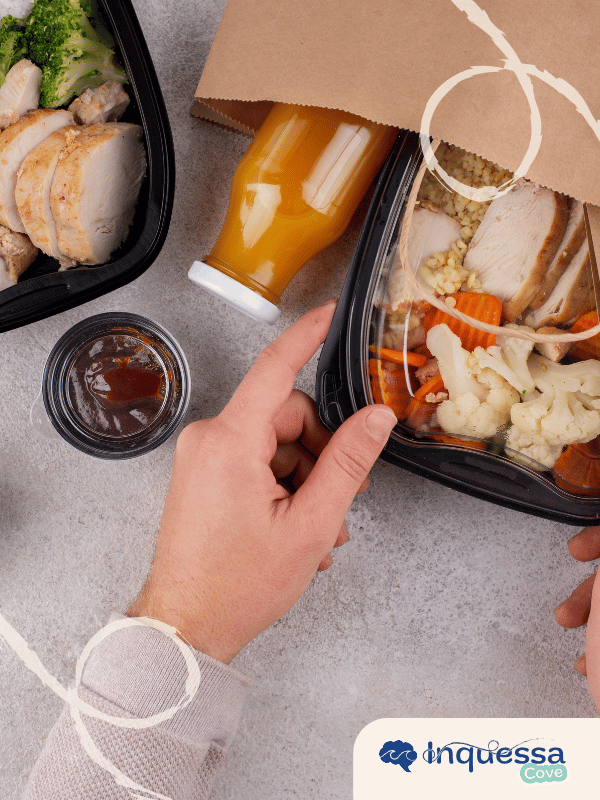
One takeout meal can include several separate pieces of packaging. A drink may come with a cup, lid, and straw. Food may arrive in a container with a lid, along with utensils or a small sauce packet.
Each item has its own job. Together, though, they can create a lot of waste from just one meal.
Food packaging, caps and lids, and plastic bottles are common shoreline litter. They were found among the most common litter items in more than half of the countries studied.
This does not mean every takeout item becomes litter. It shows that food-related plastic is a common part of waste found along shorelines.
Hygiene, Safety, and Speed
Restaurants need to serve food quickly while keeping it clean and safe. Hygiene means practices and conditions that help keep people, food, tools, and places clean and healthy.
Single-use containers and utensils can help keep ready-to-eat food separate from items that have already been used. Plastic containers are also designed for different temperatures and jobs.
Takeaway containers should only be reheated in a microwave when they are labeled microwave-safe. They should not be reused for microwave heating.
A container that works well for carrying food may not be designed for every kind of reuse.
Takeout, Delivery, and Busy Routines
Takeout packaging fits routines where people need food quickly or away from home. Families may pick up dinner after work. Students may eat food from a cafeteria. Meals may also be delivered to homes.
Packaging helps keep food together while it travels and can help prevent spills. Customers may also become used to receiving lids, utensils, and other items automatically.
Convenience is therefore shaped by both customer habits and the way food businesses organize their service.
Why Restaurants Choose Plastic
Restaurants need packaging that is easy to store, quick to use, and available in large amounts. Plastic can meet these needs while keeping costs low.
Some food containers are made from plastics such as polystyrene or polypropylene. These materials are light and practical for food service.
One large fast-food restaurant can hand out more than 500,000 pieces of single-use plastic packaging in one year.
Even small items add up when hundreds or thousands are handed out every day.
The Trade-Off After One Meal
A trade-off happens when something brings benefits in one way but creates a cost or problem somewhere else.
Takeout plastic can offer speed, hygiene, and convenience. But many of these items are used for only one meal and then become waste.
The problem is not simply that restaurants choose plastic or that customers choose takeout. These items fit systems built around fast service, transport, low cost, and busy routines.
A cup, lid, or container may do its job for only a short time, but the waste it creates can remain much longer.
Food on the Go
Takeout food is designed to move. A meal may leave a kitchen, travel across a city, sit in a delivery bag, or be eaten on the way to another activity. Restaurants, cafés, and cafeterias are part of food service. This system prepares, packages, sells, or serves food to people.
Plastic fits many of these jobs because it can be light, strong, inexpensive, and shaped into many forms. A container can hold a hot meal, while a lid helps prevent spills and a cup makes a drink easy to carry.
Straws, Cups, Lids, and Containers
One takeout meal can involve several separate items. A drink may come with a cup, lid, and straw. Food may arrive in a container with a lid, along with utensils or a small sauce packet.
Each item has a particular job, but together they can create a lot of waste from one meal. Food-service packaging is also common outside restaurants, so some pieces escape waste systems and become litter.
Food packaging, caps and lids, and plastic bottles were among the most common shoreline litter items in more than half of the countries surveyed.
Hygiene, Safety, and Speed
Restaurants need to serve food quickly while keeping it clean and safe. Hygiene refers to practices that help keep people, food, tools, and places clean and healthy. Single-use containers and utensils can help separate ready-to-eat food from items that have already been used.
Plastic containers are also designed for different temperatures and uses.
Takeaway containers should only be reheated in a microwave when they are labeled microwave-safe. They should not be reused for microwave heating.
A container that works well for carrying food may not be designed for every kind of reuse.
Takeout, Delivery, and Busy Routines
Takeout packaging fits routines where people need food quickly or away from home. Families may pick up dinner after work, students may eat food from a cafeteria, and meals may be delivered directly to homes.
Packaging makes these systems possible by keeping food together during transport and helping prevent spills. Customers may also become used to receiving containers, lids, utensils, and other items automatically. Convenience is shaped by both customer habits and the way food businesses organize their service.
Why Restaurants Choose Plastic
Restaurants need packaging that can be stored easily, used quickly, and bought in large amounts. Plastic can meet these needs while keeping costs low. Materials such as expanded polystyrene and polypropylene have been widely used for food containers because they are light and practical.
A single large fast-food restaurant can hand out more than 500,000 pieces of single-use plastic packaging in one year.
Even small items add up when hundreds or thousands are used every day.
The Trade-Off After One Meal
A trade-off occurs when the convenience of a product comes with another cost or problem. This means takeout plastic can provide quick convenience while creating waste afterward.
The problem is not simply that restaurants choose plastic or that customers choose takeout. These items fit systems built around fast service, transport, low cost, and busy routines. A cup, lid, or container may do its job for only one meal, but the waste it creates continues after the food is gone.
Food on the Go
Takeout food is designed to move. A meal may leave a kitchen, travel across a city, sit in a delivery bag, or be eaten on the way to another activity. Food service includes businesses and organizations that prepare, package, transport, or serve ready-to-eat food, often relying on fast and hygienic packaging systems.
Plastic fits many of these jobs because it can be light, strong, inexpensive, and shaped into many forms. A container can hold a hot meal, while a lid helps prevent spills and a cup makes a drink easy to carry.
Straws, Cups, Lids, and Containers
One takeout meal can involve several separate items. A drink may come with a cup, lid, and straw. Food may arrive in a container with a lid, along with utensils or a small sauce packet.
Each item has a particular job, but together they can create a lot of waste from one meal. Food-service packaging is also common outside restaurants, so some pieces escape waste systems and become litter.
Food packaging, caps and lids, and plastic bottles ranked among the most common shoreline litter items in more than half of the countries surveyed.
Hygiene, Safety, and Speed
Restaurants need to serve food quickly while keeping it clean and safe. Hygiene refers to practices and conditions that help keep people, food, tools, and places clean and healthy. Single-use containers and utensils can help separate ready-to-eat food from items that have already been used.
Plastic containers are also designed for different temperatures and uses.
Takeaway containers should only be reheated in a microwave when they are labeled microwave-safe. The containers should not be reused for microwave heating.
A container that works well for transporting food may not be designed for every kind of reuse.
Takeout, Delivery, and Busy Routines
Takeout packaging fits routines where people need food quickly or away from home. Families may pick up dinner after work, students may eat food from a cafeteria, and meals may be delivered directly to homes.
Packaging makes these systems possible by keeping food together during transport and helping prevent spills. Customers also become used to receiving containers, lids, utensils, and other items automatically. Convenience is therefore shaped by both customer habits and the way food businesses organize their service.
Why Restaurants Choose Plastic
Restaurants need packaging that can be stored easily, used quickly, and purchased in large quantities. Plastic can meet these needs while keeping costs low. Materials such as expanded polystyrene and polypropylene have been widely used for food containers because they are light and practical.
The numbers can become enormous.
A single large fast-food restaurant can hand out more than 500,000 pieces of single-use plastic packaging in one year.
Even small items add up when hundreds or thousands are used every day.
The Trade-Off After One Meal
A trade-off occurs when a product provides benefits such as speed, hygiene, or convenience while creating costs elsewhere. Takeout plastic may be useful briefly but remain in waste systems much longer.
The problem is not simply that restaurants choose plastic or that customers choose takeout. These items fit systems built around fast service, transport, low cost, and busy routines. A cup, lid, or container may do its job for only one meal, but the waste it creates continues after the food is gone.
Food on the Go
Takeout food is designed to move. A meal may leave a kitchen, travel across a city, sit in a delivery bag, or be eaten on the way to another activity. Food service is the organized preparation and provision of food through restaurants, cafeterias, takeout businesses, catering, and delivery systems.
Plastic fits many of these jobs because it can be light, strong, inexpensive, and shaped into many forms. A container can hold a hot meal, while a lid helps prevent spills and a cup makes a drink easier to carry.
Straws, Cups, Lids, and Containers
One takeout meal can involve several separate items. A drink may come with a cup, lid, and straw. Food may arrive in a container with its own lid, along with utensils or a small sauce packet.
Each item has a particular job, but together they can create a large amount of waste from one meal. Food packaging, caps and lids, and plastic bottles ranked among the most common shoreline litter items in more than half of the countries surveyed. Food-service packaging is used in many places, so even a small share escaping waste systems can appear across shorelines.
Hygiene, Safety, and Speed
Restaurants need to prepare and serve food quickly while keeping it clean and safe. Hygiene refers to practices and conditions that help keep people, food, tools, and places clean and reduce the spread of harmful germs or contamination. Single-use containers and utensils can help separate ready-to-eat food from items that have already been used.
Plastic containers are also designed for particular temperatures and uses. Takeaway containers should only be reheated in a microwave when they are labeled microwave-safe. They should not be reused for microwave heating. A container that works well for carrying food may not be suitable for every kind of reuse.
Takeout, Delivery, and Busy Routines
Takeout packaging fits routines in which people need food quickly or away from home. Families may pick up dinner after work, students may eat food from a cafeteria, and meals may be delivered directly to homes or workplaces.
Packaging keeps food together during transport and helps prevent spills. Customers may also become used to receiving containers, lids, utensils, and other items automatically. Convenience is therefore shaped by both customer habits and the way food businesses organize their service.
Why Restaurants Choose Plastic
Restaurants need packaging that can be stored easily, used quickly, and purchased in large quantities. Plastic can meet those needs while remaining light and relatively inexpensive. Materials such as expanded polystyrene and polypropylene have been widely used for food containers because they can perform these jobs effectively.
The numbers can become enormous when the same items are handed out repeatedly. A single large fast-food restaurant can hand out more than 500,000 pieces of single-use plastic packaging in one year. Even small items add up quickly when they are used every day.
The Trade-Off After One Meal
A trade-off occurs when gaining one benefit also creates a cost or disadvantage somewhere else. Takeout plastic can provide speed, hygiene, easy transport, and convenience, while the containers, lids, cups, and other pieces become waste after a relatively short period of use.
The issue is not simply that restaurants choose plastic or customers choose takeout. These items fit systems built around fast service, transport, low cost, and busy routines. A package may solve several practical problems during one meal while creating waste that must still be managed afterward.
Key Vocabulary
takeaway container (noun) A container used to hold food that will be carried away from where it was prepared. (takeout box, food container)
ready-to-eat (adjective) ️ Prepared so it can be eaten without further cooking. (prepared, ready)
utensil (noun) A tool used for eating or serving food, such as a fork or spoon. (eating tool, cutlery)
sauce packet (noun) A small sealed package containing sauce or another condiment. (condiment packet)
microwave-safe (adjective) Designed and tested for use in a microwave under stated conditions. (safe for microwave use)
contamination (noun) The presence of unwanted or harmful substances that can make food or surfaces less safe or clean. (pollution, impurity)
expanded polystyrene (noun) A lightweight foamed plastic sometimes used for food containers and cups. (foam plastic, EPS)
polypropylene (noun) A type of plastic often used for containers, lids, and other food-service items. (PP plastic)
delivery system (noun) The organized process used to move prepared food from a business to a customer. (delivery network, transport system)
automatic (adjective) Happening as a normal part of a routine without someone making a separate decision each time. (routine, default)
packaging system (noun) The connected set of containers, lids, bags, utensils, and other materials used to prepare, carry, and serve food. (food-packaging system)
