
Snack Packaging Is Hard to Avoid
About this Article
Lines of Inquiry
- How snack packaging protects food while also supporting convenience, storage, transport, and sales.
- Why multilayer and mixed-material packaging can be useful during food storage but difficult to recycle afterward.
- How everyday routines and food systems can make single-use snack packaging difficult to avoid.
Guiding Questions
- Why does snack packaging often need to do several jobs at the same time?
- How can several thin layers make a small wrapper much more complicated than it looks?
- Why is snack packaging connected to more than just an individual shopper’s choice?
Snack Packaging Is Hard to Avoid
Snacks Need Protection
A bag of chips, granola bar, or packet of crackers needs protection before someone eats it. Packaging can keep food clean and protect it from air, moisture, crushing, or spills.
For food that may sit on a shelf or travel in a lunchbox, this protection can help it stay fresh until it is opened.
Snack wrappers are often thin because manufacturers want to protect the food without adding much weight. A wrapper may look simple, but it can be carefully designed for the food inside.
Small Packages for Busy Days
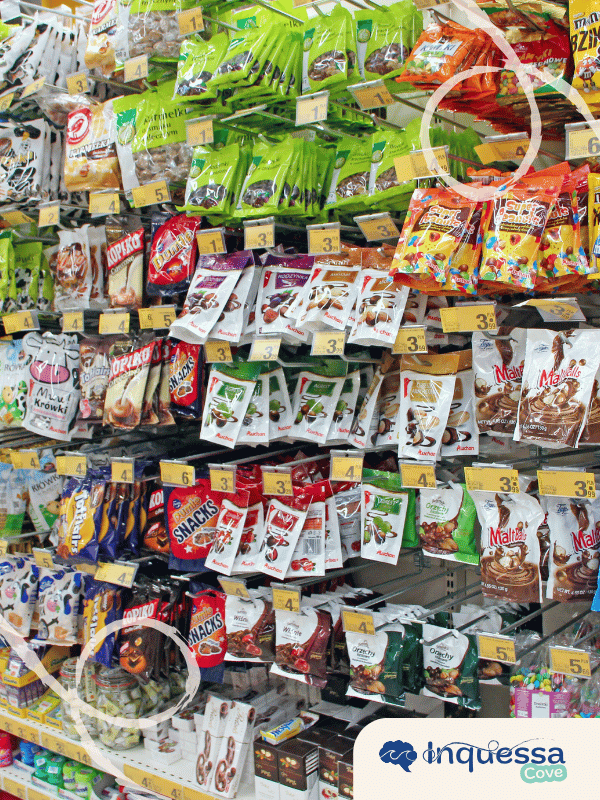
Many snacks are sold in small packages that are easy to carry and open. They fit into school lunches, backpacks, vending machines, shops, and travel bags.
This convenience can make packaged snacks hard to avoid. Families may choose them because they save time. Schools, shops, and food companies may also use packages that are easy to store and hand out.
In 2025, researchers in South Australia studied 673 school lunchboxes that children brought from home. More than half of the packaging they found, 53 percent, was single-use. Snacks made up the largest share.
This shows that snack packaging is connected to more than one person’s choice. It is also part of the way many snacks are made and sold.
Wrappers That Sell and Inform
A snack wrapper does more than protect food. It also gives shoppers information.
Packages can show the name of the food, ingredients, nutrition information, dates, and storage instructions. Colors, pictures, and designs can also help one snack stand out from others on a shelf.
This means one wrapper may have several jobs at once. It protects the food, gives information, and helps sell the product.
Why Mixed Materials Are Difficult
Some wrappers are made from mixed materials, meaning two or more kinds of material are combined in one package.
One example is multilayer packaging. This kind of package has several layers that do different jobs. One layer may add strength, while another helps keep out moisture or air.
Multilayer snack packaging can help keep food fresh and protected. But layers of different plastics, barrier materials, adhesives, and inks can make the package difficult to recycle.
The wrapper may be thin and small, but its layers can make it much more complicated than it looks.
When Convenience Becomes Waste
Once the snack is eaten, the wrapper has finished most of its job. A package that protected food for days or weeks may become waste only minutes after it is opened.
Municipal solid waste is everyday waste collected from homes and communities. It includes many common kinds of household rubbish.
In the United States, containers and packaging made up about 28 percent of everyday community waste in 2018. That was more than one out of every four tons of waste thrown away.
Snack packaging is useful because it protects food and fits busy routines. The challenge is that large numbers of short-use wrappers can quickly become waste, especially when the materials are difficult to separate and recycle.
Snacks Need Protection
A bag of chips, a granola bar, or a packet of crackers needs protection before someone eats it. Packaging helps keep food clean and can protect it from air, moisture, crushing, or spilling. For foods that may sit on a shelf or travel in a lunchbox, these jobs can help the snack stay fresh until it is opened.
Snack wrappers are often thin because manufacturers want protection without adding much weight. The package may look simple from the outside, but its design can be carefully chosen to protect the food inside.
Small Packages for Busy Days
Many snacks are sold in small portions that are easy to pack, carry, and open. These packages fit into school lunches, backpacks, vending machines, shops, travel bags, and other everyday routines.
That convenience can make packaged snacks difficult to avoid. Families may choose them because they save time, while schools, shops, and food companies may rely on packages that are easy to store and distribute.
In 2025, researchers in South Australia looked inside 673 school lunchboxes that children brought from home. More than half, 53 percent, of the packaging they found was single-use, and snacks made up the largest share.
The amount of packaging is therefore connected to more than one person’s choice. It is also built into the way many snacks are sold.
Wrappers That Sell and Inform
A snack wrapper does more than protect food. It also gives shoppers information and helps companies present the product. Packages can show the food name, ingredients, nutrition information, dates, and storage instructions.
Color, pictures, shapes, and printed designs can also help one snack stand out from others on a shelf. This means snack packaging has several jobs at once: protecting food, carrying information, and helping sell the product.
Those extra jobs can affect how the wrapper is designed and which materials are used.
Why Mixed Materials Are Difficult
Mixed materials combine different materials in one product, which can make recycling harder than with one material.
A common example is multilayer packaging, packaging made by combining several material layers, which can keep food fresh while complicating recycling.
Multilayer snack packaging can keep food fresh and protect it. However, combining different plastics, barrier layers, adhesives, and inks makes the packaging difficult to recycle.
The package may be thin and small, but its layers can make it much more complicated than it looks.
When Convenience Becomes Waste
Once the snack is eaten, the wrapper has finished most of its job. A package that protected food for days or weeks may become waste within minutes of being opened.
In the United States, packaging and containers made up about 28 percent of all everyday community waste in 2018. That was more than one out of every four tons thrown away.
Municipal solid waste, waste collected from homes and communities, contains many kinds of discarded material.
Snack packaging is useful because it protects food and fits busy routines. The challenge is that the same system can create large amounts of short-use waste, especially when wrappers are made from materials that are difficult to separate and recycle.
Snacks Need Protection
A bag of chips, a granola bar, or a packet of crackers needs protection before someone eats it. Packaging helps keep food clean and can protect it from air, moisture, crushing, or spilling. For foods that may sit on a shelf or travel in a lunchbox, these jobs can help the snack stay fresh until it is opened.
Snack wrappers are often thin because manufacturers want protection without adding much weight. The package may look simple from the outside, but its design can be carefully chosen to protect the food inside.
Small Packages for Busy Days
Many snacks are sold in small portions that are easy to pack, carry, and open. These packages fit into school lunches, backpacks, vending machines, shops, travel bags, and other everyday routines.
That convenience can make packaged snacks difficult to avoid. Families may choose them because they save time, while schools, shops, and food companies may rely on packages that are easy to store and distribute.
In 2025, researchers in South Australia looked inside 673 school lunchboxes that children brought from home. More than half, 53 percent, of the packaging they found was single-use, with snacks creating the largest share.
The amount of packaging is therefore connected to more than one person’s choice. It is also built into the way many snacks are sold.
Wrappers That Sell and Inform
A snack wrapper does more than protect food. It also gives shoppers information and helps companies present the product. Packages can show the name of the food, ingredients, nutrition information, dates, and instructions for storage.
Color, pictures, shapes, and printed designs can also help one snack stand out from others on a shelf. This means snack packaging has several jobs at once: protecting the food, carrying information, and helping sell the product.
Those extra jobs can affect how the wrapper is designed and which materials are used.
Why Mixed Materials Are Difficult
Some snack wrappers are made from mixed materials, which combine two or more material types within one product or package. They differ from single-material designs because the components may be difficult to separate for recycling.
A common example is multilayer packaging, packaging made from several layers of different materials that can combine properties such as strength and moisture protection.
Multilayer snack packaging can keep food fresh and protect it, but combining different plastics, barrier layers, adhesives, and inks makes the packaging difficult to recycle.
The package may be thin and small, yet its layers can make it much more complicated than it appears.
When Convenience Becomes Waste
Once the snack is eaten, the wrapper has finished most of its job. A package that protected food for days or weeks may become waste within minutes of being opened.
In the United States, packaging and containers made up about 28 percent of all everyday community waste in 2018. That was more than one out of every four tons thrown away.
Municipal solid waste is everyday discarded material collected from homes and communities, including many common kinds of household rubbish.
Snack packaging is useful because it protects food and fits busy routines. The challenge is that the same system can create large amounts of short-use waste, especially when wrappers are made from materials that are difficult to separate and recycle.
Snacks Need Protection
A bag of chips, a granola bar, or a packet of crackers needs protection before someone eats it. Packaging can help keep food clean and protect it from air, moisture, crushing, or spilling. For snacks that may sit on a shelf, travel in a lunchbox, or spend time in a backpack, those jobs can help the food stay fresh until it is opened.
Snack wrappers are often thin because manufacturers want protection without adding much weight. The package may look simple from the outside, but its structure can be carefully designed so the food inside stays dry, clean, and protected while it is stored and carried.
Small Packages for Busy Days
Many snacks are sold in small portions that are easy to pack, carry, and open. These packages fit into school lunches, backpacks, vending machines, shops, travel bags, and other everyday routines. That convenience can make individually packaged snacks difficult to avoid.
Families may choose them because they save time, while schools, shops, and food companies may depend on packages that are easy to store and distribute. In 2025, researchers in South Australia examined 673 school lunchboxes brought from home. More than half, 53 percent, of the packaging was single-use, with snacks creating the largest share. The amount of packaging is therefore connected not only to individual choices, but also to the way many snacks are prepared and sold.
Wrappers That Sell and Inform
A snack wrapper does more than protect food. It can also give shoppers information about the product, including its name, ingredients, nutrition information, dates, and instructions for storage.
Color, pictures, shapes, and printed designs can help one snack stand out from others on a shelf. Packaging therefore has several jobs at once: protecting the food, carrying information, and helping present the product to shoppers. Those different jobs can influence both the design of the wrapper and the materials manufacturers choose.
Why Mixed Materials Are Difficult
Some snack wrappers are made from mixed materials, combining several material types within one package. These designs can be harder to sort and recycle than packages made from one material because the different parts may be difficult to separate.
A common example is multilayer packaging, packaging made from several layers of different materials when one material alone cannot provide all the needed properties. One layer might help block moisture while another adds strength or helps protect the food. Multilayer snack packaging can keep food fresh and protect it, but its different plastics, barrier layers, adhesives, and inks can make it difficult to recycle. A wrapper may therefore be thin and light while still being much more complicated than it appears.
When Convenience Becomes Waste
Once a snack is eaten, its wrapper has finished most of its job. A package that protected food for days or weeks may become waste within minutes of being opened. Across many products and households, those small discarded packages become part of a much larger waste flow.
In the United States, packaging and containers made up about 28 percent of everyday community waste in 2018, more than one out of every four tons thrown away. Municipal solid waste is everyday discarded material collected from homes and communities. Snack packaging shows how a useful package can fit busy routines while still contributing to a large amount of material that must be managed after use.
Key Vocabulary
portion (noun) An amount of food prepared or packaged for one person or one use. (serving, amount)
moisture (noun) A small amount of water in the air, food, or another material. (dampness, water)
barrier layer (noun) ️ A layer in packaging that helps block air, moisture, light, or other things from reaching food. (protective layer)
adhesive (noun) A substance used to stick materials together. (glue, bonding material)
ink (noun) ️ A colored liquid or material used for printing words and designs. (printing color)
distribution (noun) The process of moving products from where they are made to where they are sold or used. (delivery, supply)
shelf life (noun) ⏳ The amount of time a food or product can remain suitable for sale or use. (storage life, usable time)
wrapper (noun) A thin material placed around a product to protect or contain it. (covering, package)
consumer information (noun) ️ Information on a package that helps shoppers understand what a product contains or how it should be used. (product information, label information)
recyclability (noun) ♻️ How suitable a material or product is for being collected and processed into new material. (ability to be recycled)
convenience food (noun) Food prepared or packaged so it is quick and easy to carry, store, or eat. (ready-to-eat food, easy-to-carry food)
