Rivers Carry Plastic to the Sea
About this Article
Lines of Inquiry
- Watersheds as systems connecting streets, land surfaces, drains, streams, and rivers.
- The influence of rainfall, floods, waste containment, and surrounding land on how much plastic a river carries.
- Why plastic found in one part of a river may have entered the water somewhere very different.
Guiding Questions
- Why can a small river carry a surprisingly large amount of plastic?
- How does thinking about the whole watershed change where we might look for the source of river pollution?
- Why might cleaning one stretch of river fail to stop new plastic from arriving?
Rivers Carry Plastic to the Sea
Rivers Collect From Large Areas
A river carries more than the water that falls beside its banks. Water can flow toward it from streets, fields, towns, streams, and other places.
A watershed is an area of land where water drains toward the same river, lake, or other body of water. Plastic lost anywhere in that area can eventually enter the river system. Scientists examined plastic movement across more than 31,000 river basins around the world.
Plastic From Streets and Drains
A wrapper blown along a street may reach a drain. Waste near a stream may be carried into the water. Plastic can also escape from homes, businesses, farms, or industrial areas.
Small streams and channels can carry this material toward larger rivers. Plastic does not need to start beside a main river to reach it.
Storms, Floods, and Waste Systems
Runoff is water that flows across land after rain or snowmelt instead of soaking into the ground. Runoff can carry plastic from roads, bins, or open ground into drains and streams.
Storms and floods can move much larger amounts of water at once. In one global study, 830 small rivers together carried about 30% of the plastic that rivers delivered to the ocean. A small river can carry a large amount of plastic when plenty of waste enters its watershed.
From Riverbanks to the Sea
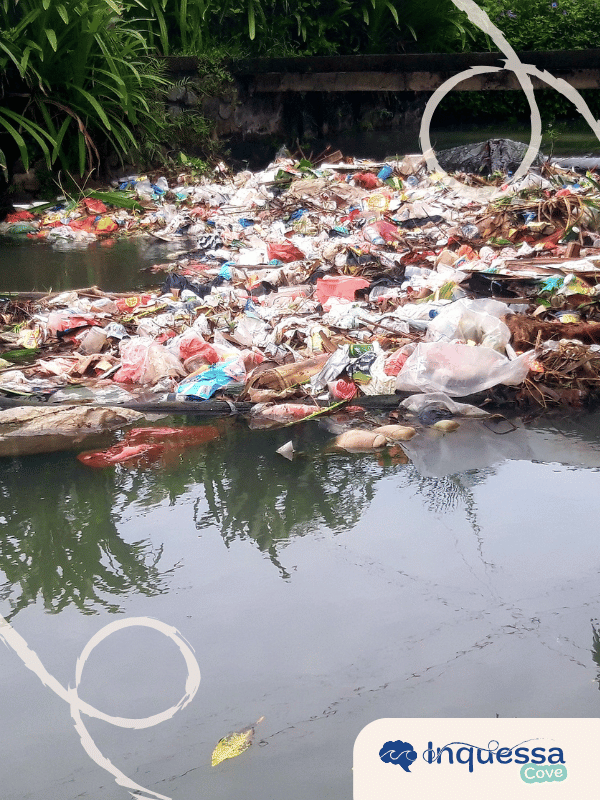
Once plastic enters a river, moving water can carry it downstream. Some pieces become trapped on banks or in plants. Others continue toward the coast.
Rivers that gather plastic from large areas and carry it toward the sea are sometimes called plastic highways. The name shows how connected waterways can move plastic in the same general direction.
Why Watersheds Matter
A cleanup can remove plastic from one stretch of river, but more may keep arriving from upstream.
Looking at the whole watershed helps explain where the plastic may have entered the system. Rivers do not create plastic pollution. They collect and move plastic that has already escaped from places where people use or discard it.
Rivers Collect From Large Areas
A river carries more than the water that falls beside its banks. Water can flow toward the same river from streets, fields, towns, streams, and other places across a much larger area. An area of land that drains toward the same body of water is called a watershed.
Plastic lost anywhere within that watershed can eventually enter the river system. Scientists examined plastic movement across more than 31,000 river basins around the world. This large number shows how many separate land areas can connect with rivers and other waterways.
Plastic From Streets and Drains
Plastic can enter a river through many smaller pathways. A wrapper blown along a street may reach a drain. Waste left near a stream can be carried into the water. Plastic from homes, businesses, farms, or industrial areas may also escape when collection systems cannot contain it.
Small streams and drainage channels can carry this material toward larger rivers. By the time plastic appears in a main river, it may have traveled through several connected waterways. Litter does not need to begin beside a riverbank to eventually reach a river.
Storms, Floods, and Waste Systems
Water that flows across land after rain or snowmelt rather than soaking into the ground is called runoff. Storms and floods can increase runoff, carrying litter and other materials from streets and land into waterways. Runoff forms part of a larger water system by connecting land surfaces, drains, streams, rivers, and downstream environments.
Storms and floods move much larger amounts of water at once. They can wash waste from land or overwhelm systems that normally keep it contained. In a global study, 830 small rivers together carried about 30 percent of the plastic that rivers delivered to the ocean. Even a smaller river can move large amounts of plastic when waste enters the watershed around it.
From Riverbanks to the Sea
Once plastic enters a river, moving water can carry it downstream. Some pieces become trapped along riverbanks, caught in plants, or stranded when water levels fall. Others continue downstream and may eventually reach the coast.
Rivers that collect plastic from large areas and transport it toward coasts and oceans are sometimes called plastic highways. A piece of plastic may travel through small streams, larger rivers, and several parts of a watershed before it reaches the sea.
Why Watersheds Matter
A cleanup can remove plastic from one stretch of river, but more may continue arriving from upstream. The river is connected to smaller streams, drains, roads, communities, and land surfaces throughout its watershed.
Understanding the watershed changes how the problem looks. Plastic found in one location may have entered the water many kilometers away. Reducing river plastic therefore means looking beyond the riverbank and finding where plastic is entering the connected water system. Rivers do not create plastic pollution. They collect and move plastic that has already escaped from the places where people use, store, or discard it.
Rivers Collect From Large Areas
A river carries more than the water that falls beside its banks. Water can flow toward the same river from streets, fields, towns, streams, and other places across a much larger area. An area of land where water drains toward the same river, lake, or other body of water is called a watershed.
Plastic lost anywhere within that watershed can eventually enter the river system. Plastic movement was examined across more than 31,000 river basins around the world. This enormous number shows how many separate land areas can connect with rivers and other waterways.
Plastic From Streets and Drains
Plastic can enter a river through many smaller pathways. A wrapper blown along a street may reach a drain. Waste left near a stream can be carried into the water. Plastic from homes, businesses, farms, or industrial areas may also escape when collection systems cannot contain it.
Small streams and drainage channels can carry this material toward larger rivers. By the time plastic appears in a main river, it may have traveled through several connected waterways. Litter does not need to begin beside a riverbank to eventually reach a river.
Storms, Floods, and Waste Systems
Rain can speed up this movement. Water that flows across land after rainfall or snowmelt rather than soaking into the ground is called runoff. It can carry plastic from roads, open ground, overflowing bins, or other exposed places into drains and streams.
Storms and floods move much larger amounts of water at once. They can wash waste from land or overwhelm systems that normally keep it contained.
River size does not tell the whole story. In a global study, 830 small rivers together carried about 30% of the plastic that rivers delivered to the ocean. Even a smaller river can move large amounts of plastic when waste enters the watershed around it.
From Riverbanks to the Sea
Once plastic enters a river, moving water can carry it downstream. Some pieces become trapped along riverbanks, caught in plants, or stranded when water levels fall. Others continue downstream and may eventually reach the coast.
Rivers that collect plastic waste from large areas and carry it toward the sea are sometimes called plastic highways. The name describes how rivers can gather plastic from many different places and transport it in the same general direction.
A piece of plastic may therefore travel through small streams, larger rivers, and several parts of a watershed before it reaches the sea.
Why Watersheds Matter
A cleanup can remove plastic from one stretch of river, but more may continue arriving from upstream. The river is connected to smaller streams, drains, roads, communities, and land surfaces throughout its watershed.
Understanding the watershed changes how the problem looks. Plastic found in one location may have entered the water many kilometers away. Reducing river plastic therefore means looking beyond the riverbank and finding where plastic is entering the connected water system.
Rivers do not create plastic pollution. They collect and move plastic that has already escaped from the places where people use, store, or discard it.
Rivers Collect From Large Areas
A river does not collect water only from the land beside its banks. It receives water from a much larger watershed, an area of land where water drains toward the same river, lake, or other body of water. Streams, drainage channels, and smaller rivers can all connect different parts of a watershed.
Because these waterways are linked, plastic that enters the system far inland can eventually reach a larger river. A discarded item does not have to begin near the main river itself. If moving water carries it into a connected stream or drainage route, it can become part of a much longer journey.
Plastic From Streets and Drains
Plastic can enter rivers from streets, parks, open bins, waste sites, and other places where discarded material is exposed. Rain can wash lightweight pieces toward drainage systems, while wind may move them before water carries them farther.
In towns and cities, drains can connect streets with nearby waterways. Although the exact route depends on the local drainage system, plastic that reaches a stream or river may continue moving downstream rather than remaining close to where it first entered the water.
Storms, Floods, and Waste Systems
Heavy rain can increase runoff, water that flows across the ground instead of soaking into it. As runoff moves, it can pick up loose material from streets, soil, riverbanks, and other surfaces and carry it toward drains and waterways.
Storms and floods can move even larger amounts of water across the landscape. They may also disturb plastic that had been trapped in vegetation, lying along riverbanks, or stored in places where waste was not fully contained. As a result, plastic that remained in one location during dry weather can begin moving again when water levels rise.
The amount of plastic reaching rivers therefore depends partly on the waste systems surrounding them. Where collection and containment are strong, less discarded plastic may be available for runoff to carry. Where waste escapes those systems, rainfall and flooding can provide pathways into rivers.
From Riverbanks to the Sea
Rivers can act like plastic highways because they gather material from many connected parts of a watershed and transport it toward the coast. However, not every river carries the same amount of plastic.
Researchers examined plastic movement across more than 31,000 river basins around the world. This wide comparison showed that river size alone does not determine how much plastic reaches the ocean.
In a global study, 830 small rivers together carried about 30 percent of the plastic that rivers delivered to the ocean. Although each of these rivers was relatively small, together they formed an important pathway. This finding shows why smaller rivers cannot be ignored when researchers study how plastic moves from land to sea.
Why Watersheds Matter
Thinking in terms of watersheds changes the scale of the problem. Plastic found in one river may have entered the water from many different streets, streams, drains, and communities spread across the surrounding land.
Because those places are connected by flowing water, actions upstream can affect what happens farther downstream. Waste that escapes collection in one part of a watershed may travel through several waterways before reaching the coast.
Understanding the watershed therefore helps researchers trace plastic back through the system rather than looking only at the river mouth. Rivers carry plastic toward the sea, but the journey often begins throughout the much larger area of land that drains into them.
Key Vocabulary
river basin (noun) ️ An area of land whose water drains into a particular river system. (drainage basin, catchment)
drainage channel (noun) A channel that carries water from one area toward another waterway. (water channel, drainage route)
riverbank (noun) The land along the edge of a river. (river edge, bank)
snowmelt (noun) ❄️ Water produced when snow melts. (meltwater, melted snow)
overflowing (adjective) ️ So full that material or liquid spills over the edge. (overfilled, spilling)
flood (noun) ️ A large amount of water covering land that is usually dry. (high water, inundation)
downstream (adverb/adjective) ⬇️ In the direction a river flows. (with the current, farther along the river)
upstream (adverb/adjective) ⬆️ Toward the direction from which a river flows. (against the current, farther toward the source)
stranded (adjective) Left behind in a place after moving water has fallen or changed course. (left behind, stuck)
river system (noun) A river and the smaller streams and waterways connected to it. (river network, drainage network)
land surface (noun) The ground across which water can flow toward drains, streams, and rivers. (ground surface, terrain)
contain (verb) To keep something within a boundary so it does not escape. (hold, control)
river mouth (noun) The place where a river enters a sea, ocean, lake, or another river. (river outlet, mouth)
