
Plastic’s Raw Materials
About this Article
Lines of Inquiry
- Where the raw materials for different plastics come from.
- How fossil-fuel and plant-based starting materials are transformed into plastic.
- Why the source of a plastic does not automatically determine what happens to it after use.
Guiding Questions
- Why can the connection between a plastic product and its raw materials be difficult to see?
- How are fossil-fuel plastics and plant-based plastics similar and different?
- Why does knowing a plastic is biobased not tell us whether it will biodegrade or compost?
Plastic’s Raw Materials
Plastic Starts With Raw Materials
Plastic does not come out of the ground already shaped into a bottle, toy, or container. It begins with a raw material, a substance used as the starting material for making something else.
Different plastics can begin with different raw materials. Most modern plastics start with resources connected to oil and natural gas. Some plastics begin with materials from plants. In both cases, the starting material must go through several changes before it becomes plastic.
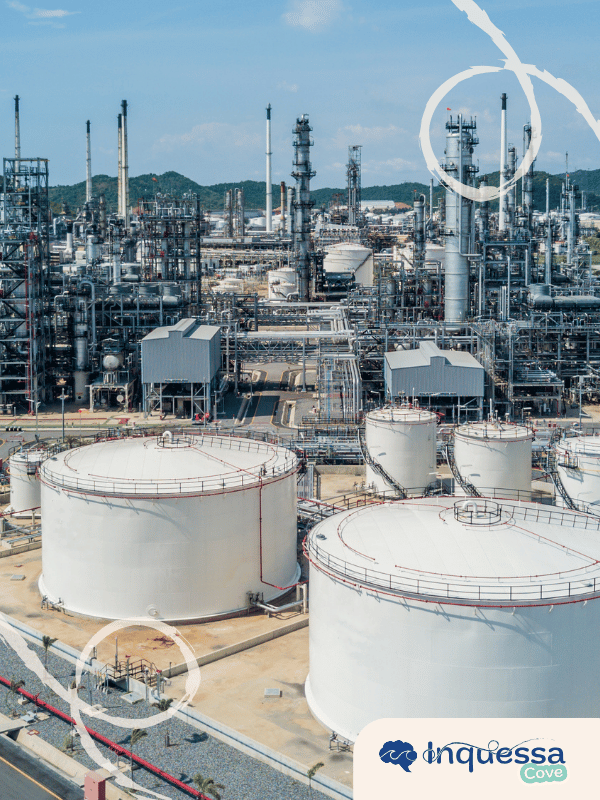
Oil and Gas Become Building Blocks
Oil and natural gas are fossil fuels. They formed from ancient organic matter over very long periods of time. They also provide starting materials used to make many plastics.
The connection can be hard to see because a finished plastic object looks nothing like oil or gas. Making a 1-kilogram plastic jug can require about 2 liters of crude oil. The oil provides raw materials and energy for making the plastic. By the time the jug is finished, its starting material has been changed so much that it looks completely different.
Plant-Based Sources for Some Plastics
Not every plastic starts with fossil fuels. Plant-based plastic begins with materials from plants instead of fossil fuels.
Some bioplastics can be made from plants. Sources include corn, sugarcane, tapioca, potatoes, rice, soy, wheat, vegetable oil, woodchips, and sawdust. Parts of these plants can be processed and used as ingredients for making plastic.
A plant source does not tell us what will happen to the finished plastic later. Biobased plastics are made partly or fully from biological resources. Being biobased does not automatically mean the plastic is biodegradable or compostable. The word biobased tells us where the raw material came from. Some biobased plastics can still behave much like other plastics after they are thrown away.
Turning Ingredients Into Materials
Whether plastic starts with fossil fuels or plants, the ingredients must be changed before they become useful plastic. Manufacturers process the raw materials into smaller building blocks and then use them to create plastic materials.
This is why a starting resource and a finished product can look so different. A plant, a barrel of oil, and a plastic container may seem unrelated. Manufacturing connects them by changing the starting ingredients into materials with new forms and uses.
Why the Source Matters
Knowing where plastic begins helps us understand that every plastic product is part of a larger material system. Its starting resources must be gathered, processed, and changed before a finished product can be made.
Changing the source does not automatically solve every problem connected with plastic. Fossil-fuel plastics and plant-based plastics can both become useful products, and both are still plastics. Understanding their raw materials gives us a clearer starting point for following the rest of plastic’s life.
Plastic Starts With Raw Materials
Plastic does not come out of the ground already shaped into bottles, toys, or containers. A basic substance taken or gathered before it is changed into a product is a raw material. Plastic begins with raw materials that must be changed through science and manufacturing.
Different plastics can begin with different raw materials. Most modern plastics start with resources connected to oil and natural gas. Some newer plastics begin with plant materials. In both cases, the starting substance must go through several changes before it becomes plastic.
Oil and Gas Become Building Blocks
Fossil fuels, such as oil and natural gas, formed from ancient living matter and provide raw materials for many plastics. Manufacturers can process parts of these resources into building blocks used to make plastic materials.
The connection between fossil fuels and plastic can be hard to see because the finished products look very different from oil or gas. It takes roughly 2 liters of crude oil to provide the raw materials and energy needed to make a standard 1-kilogram plastic jug. By the time the process is finished, the plastic no longer looks like the resource it came from.
Plant-Based Sources for Some Plastics
Petroleum-based and plant-based plastic can have similar uses, but plant-based plastic begins with plant materials rather than fossil fuels.
Bioplastics can be made from plant sources such as corn, sugarcane, tapioca, potatoes, rice, soy, wheat, vegetable oil, woodchips, and sawdust. These resources can be processed so parts of the plants become ingredients for making plastic.
A plant source does not automatically tell us what will happen to the finished plastic later. Biobased plastics are made fully or partly from biological resources, but they are not necessarily biodegradable or compostable. The word biobased tells us where the raw material came from. Some biobased plastics can still behave much like other plastics after they are thrown away.
Turning Ingredients Into Materials
Whether plastic begins with fossil fuels or plants, the starting ingredients must be changed before they become a useful material. Manufacturers process the raw materials into smaller building blocks and then use them to create plastic.
This change is one reason plastic can seem very different from the resources used to make it. A plant, a barrel of oil, and a plastic container may look completely unrelated. Manufacturing connects them by changing the starting ingredients into materials with new forms and uses.
Why the Source Matters
Knowing where plastic begins helps show that plastic is part of a larger material system. Every plastic product starts with resources that must be gathered, processed, and changed.
The source can be different, but changing the source does not automatically solve every problem connected with plastic. Fossil-fuel plastics and plant-based plastics can both become useful products, and both are still plastics. Understanding their raw materials gives us a clearer starting point for following the rest of plastic’s life.
Plastic Starts With Raw Materials
Plastic does not come out of the ground already shaped into bottles, toys, or containers. It begins with substances that must be changed through science and manufacturing. A basic natural or processed substance used as the starting material for making a product is a raw material.
Different plastics can begin with different raw materials. Most modern plastics start with resources connected to oil and natural gas. Some newer plastics begin with materials from plants. In both cases, the starting substance must go through several changes before it becomes plastic.
Oil and Gas Become Building Blocks
Oil and natural gas are fossil fuels because they formed from ancient organic matter and are important raw materials in plastic production. They contain substances that manufacturers can process into building blocks used to make plastic materials.
The connection between fossil fuels and plastic can be easy to miss because the finished products look so different from oil or gas. It takes roughly 2 liters of crude oil to provide the raw materials and energy needed to manufacture a standard 1-kilogram plastic jug. The original resource has been changed so completely that the finished plastic no longer looks like its starting material.
Plant-Based Sources for Some Plastics
Not every plastic begins with fossil fuels. Fossil-fuel plastics and plant-based plastic are both plastics, but plant-based plastic begins with plant materials rather than fossil fuels.
Plants can provide several kinds of starting materials. Bioplastics can be made from plant sources such as corn, sugarcane, tapioca, potatoes, rice, soy, wheat, vegetable oil, woodchips, and sawdust. These resources can be processed so that parts of the plants become ingredients for making plastic.
A plant source does not automatically tell us what will happen to the finished material later. Biobased plastics are made fully or partly from biological resources, but they are not necessarily biodegradable or compostable. The word biobased describes where the raw materials came from. Some biobased plastics still behave much like other plastics after they are thrown away and do not simply break down in nature.
Turning Ingredients Into Materials
Whether plastic begins with fossil fuels or plants, the starting ingredients must be changed before they become a useful material. Manufacturers process the raw materials into smaller building blocks and then use them to create plastic.
This transformation is one reason plastic can seem very different from the resources used to make it. A plant, a barrel of oil, and a plastic container may look completely unrelated. Manufacturing connects them by changing the starting ingredients into materials with new forms and uses.
Why the Source Matters
Knowing where plastic begins helps explain that plastic is part of a larger material system. Every plastic product starts with resources that must be gathered, processed, and changed.
The source can differ, but changing the source does not automatically solve every problem connected with plastic. Fossil-fuel and plant-based plastics can both become useful products, and both are still plastics. Understanding their raw materials gives us a clearer starting point for examining how plastic is made and what happens during the rest of its life.
Plastic Starts With Raw Materials
Plastic does not begin as a finished bottle, toy, or container. It starts with a raw material, a substance used at the beginning of production before it is changed into a finished product.
Different plastics can begin with different raw materials. Most modern plastics start with resources connected to oil and natural gas, while some newer plastics begin with materials from plants. In either case, the starting substance must be processed and changed before it becomes plastic.
By the time that transformation is complete, the finished product may look completely different from the resource it began with.
Oil and Gas Become Building Blocks
Oil and natural gas are fossil fuels, resources formed from ancient organic matter that provide many of the starting materials used to make plastics. They contain substances that manufacturers can process into smaller building blocks and eventually turn into plastic materials.
The connection between fossil fuels and plastic can be difficult to recognize because a finished plastic object looks so different from oil or gas.
The connection between plastic and fossil fuels is substantial: producing a standard 1-kilogram plastic jug requires roughly 2 liters of crude oil to provide both the starting materials and the energy used in manufacturing. The original resource has been transformed so completely that little about the jug reveals what its starting material looked like.
Plant-Based Sources for Some Plastics
Not every plastic begins with fossil fuels. Plastic can start with different raw materials, and plant-based plastic begins with materials from plants rather than oil or natural gas.
Bioplastics can also begin with plant-based resources, including corn, sugarcane, tapioca, potatoes, rice, soy, wheat, vegetable oil, woodchips, and sawdust. These resources can be processed so that parts of the plants become ingredients used to make plastic.
A plant-based starting point does not automatically determine what happens to the finished material later. Biobased plastics are made fully or partly from biological resources, but that description refers to where their raw materials come from, not whether the finished plastic is biodegradable or compostable.
Some biobased plastics can therefore behave much like other plastics after disposal rather than simply breaking down in nature.
Turning Ingredients Into Materials
Whether plastic begins with fossil fuels or plants, the starting ingredients must be transformed before they become useful plastic material. Manufacturers process the raw materials into smaller building blocks and then use those building blocks to create plastic.
This transformation is why a crop, a barrel of oil, and a plastic container can appear unrelated even though they are connected through production. The original resource changes in form and composition as it moves through several manufacturing steps.
By the time the finished material appears, its connection to the original raw material may no longer be visible.
Why the Source Matters
Knowing where plastic begins reveals that every plastic product is part of a larger material pathway. Its raw resources must first be gathered, extracted, grown, or processed before they can become the material used in a finished product.
Changing the source can alter where that pathway begins, but it does not automatically solve every issue connected with plastic. Fossil-fuel plastics and plant-based plastics can both become useful products, and both remain plastics after manufacturing.
Understanding their raw materials therefore gives us a clearer starting point for examining the rest of plastic’s life, from production and use to what happens after the product is no longer needed.
Key Vocabulary
organic matter (noun) Material that comes from living or once-living things. (biological material, living matter)
crude oil (noun) ️ Unprocessed oil taken from underground before it is refined or changed into other materials. (raw oil, petroleum)
bioplastics (noun) Plastics that are made partly or fully from biological resources or designed with particular biological properties. (bio-based plastics)
biobased (adjective) Made partly or fully from biological resources such as plants. (plant-derived, biologically sourced)
biodegradable (adjective) Able to be broken down by living organisms under suitable conditions. (breakdown by organisms)
compostable (adjective) ♻️ Able to break down under specific composting conditions into materials that can become part of compost. (compost-breaking, compost-ready)
process (verb) ⚙️ To change or prepare a material through a series of steps. (treat, transform)
ingredient (noun) A substance used as one part of making something else. (component, part)
transform (verb) To change something into a very different form. (change, convert)
resource (noun) A material or supply that can be used to make or support something. (source material, supply)
manufacturing (noun) The process of making products, usually through organized steps and machinery. (production, making)
