
Plastic That Lasts and Lasts
About this Article
Lines of Inquiry
- How durability can be both a useful property and a source of long-term waste problems.
- The difference between plastic breaking into smaller pieces and plastic disappearing.
- How the length of a product’s useful life changes the way we evaluate durability.
Guiding Questions
- Why is durability helpful for some plastic products but more problematic for others?
- What happens to plastic when weather and movement damage it over time?
- How does the relationship between a product’s useful life and the life of its material affect whether durability is helpful?
Plastic That Lasts and Lasts
Built to Resist Breaking Down
Plastic has durability, the ability to resist breaking down or wearing out quickly.
This means plastic can remain long after people stop using it. Plastic can resist water, weather, bending, and repeated handling.
Plastic does not break down like many other materials. Sunlight, salt water, and waves can break it into smaller pieces instead.
A plastic object may crack, fade, or change shape over time. But the plastic itself can still remain.
Why Durability Is Useful
Durability can be helpful when something needs to last.
Plastic pipes may carry water for years. Some medical equipment needs to be strong and lightweight. Plastic parts in buildings, vehicles, and tools may also need to resist water and wear.
For these products, lasting a long time is part of the job. A durable product may not need to be replaced as quickly.
What Happens When Plastic Is Thrown Away
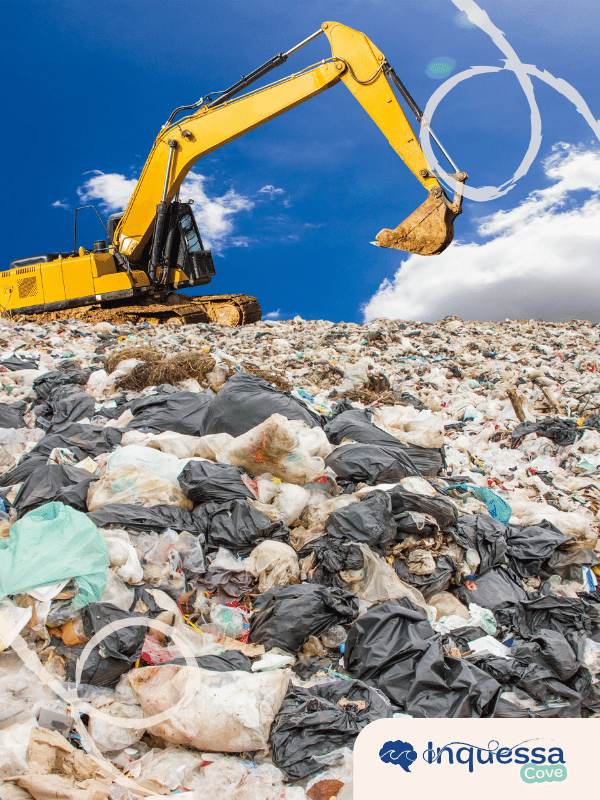
Plastic can stay durable even after people throw it away.
This matters for short-use items such as wrappers and bags. An item may be useful for only a few minutes, but the plastic can remain much longer.
After disposal, sunlight, rain, wind, and movement can damage plastic. It may begin breaking into smaller pieces.
Throwing plastic away does not make its durability disappear.
Slow Changes, Not Disappearing
Breakdown is the process of a material becoming smaller or changing over time. Plastic may break into pieces without truly disappearing.
Fragments, or small broken pieces, can form as plastic slowly breaks apart.
In 2022, a yellow plastic disk washed up on a beach in Scotland. Scientists had released it into the ocean near Alaska almost 40 years earlier. The disk had traveled thousands of kilometers, but it was still whole. Even the writing on it could still be read.
The disk shows how long some plastic objects can last, even after years in water and weather.
When a Useful Quality Becomes a Problem
Durability is useful for some plastic products. A pipe designed to last for years benefits from being durable.
A wrapper used for only a few minutes creates a different problem if the plastic remains for years afterward.
The same quality that makes plastic strong and useful can also make plastic waste last for a long time.
Built to Resist Breaking Down
Plastic has high durability, resisting damage and breakdown over long periods. This means plastic can stay useful for a long time. Plastic can resist water, weather, bending, and repeated handling better than many materials.
Plastic does not break down like many other materials. Sun, salt water, and waves can break it into smaller pieces instead. A plastic object may crack, fade, weaken, or change shape over time, but the material can remain long after the object stops being useful.
Why Durability Is Useful
Durability can be very useful when a product needs to last. Plastic pipes may need to carry water for years without leaking. Medical equipment may need to be strong, lightweight, and able to handle repeated use. Plastic parts in buildings, vehicles, and tools can also benefit from resisting water and wear.
For these products, lasting a long time is part of their design. A durable material does not need to be replaced as quickly. The problem is not simply that plastic lasts. What matters is how long the product is used and what happens to it afterward.
What Happens When Plastic Is Thrown Away
A durable product can remain durable even after someone no longer wants it. This is especially important for items such as wrappers, bags, and other packaging. An object might be useful for only a few minutes, while its material lasts much longer.
After plastic is thrown away, it may be exposed to sunlight, rain, wind, and repeated movement. It can become damaged and start breaking into smaller pieces. Throwing plastic away does not remove its durability. The same material that resisted water and weather while it was useful can continue resisting breakdown after disposal.
Slow Changes, Not Disappearing
Plastic can undergo breakdown as it weakens into smaller pieces, but this does not mean it disappears. As plastic breaks apart, fragments, small pieces broken from something larger, can remain and become even smaller over time.
In 2022, a yellow plastic disk washed up on a beach in Scotland almost 40 years after scientists released it into the ocean near Alaska. It had traveled thousands of kilometers, but it was still whole and the writing on it could still be read. The disk shows how long some plastic objects can survive after years in water and weather.
When a Useful Quality Becomes a Problem
Durability is not always good or always bad. Its value depends on how a plastic product is used. A pipe designed to last for decades benefits from being durable. A wrapper used for only a few minutes creates a different problem if the material remains for years afterward.
This is the challenge of durable plastic. The same quality that helps plastic survive water, weather, and repeated handling can also make plastic waste last long after people are finished with it. This trade-off helps explain why plastic can be both a useful material and a long-lasting waste problem.
Built to Resist Breaking Down
Many plastics have durability, resistance to wear and breakdown that allows them to last for long periods. Plastic can resist water, weather, bending, and repeated handling better than many materials. That strength is one reason it is used in so many products.
Plastic does not break down like many other materials. Sun, salt water, and waves can break it into smaller pieces instead. A plastic object may change shape, crack, fade, or weaken over time, but the material itself can remain long after the object stops being useful.
Why Durability Is Useful
Durability can be extremely useful when a product needs to last. Plastic pipes may need to carry water for years without leaking. Medical equipment may need to be strong, lightweight, and able to handle repeated use. Plastic parts in buildings, vehicles, and tools can also benefit from resisting water and wear.
For these products, lasting a long time is part of the design. A durable material does not need to be replaced as quickly. The problem is not simply that plastic lasts. The challenge depends partly on how long the product is used and what happens afterward.
What Happens When Plastic Is Thrown Away
A durable product can remain durable even after someone no longer wants it. This matters especially for short-use items such as wrappers, bags, or other packaging. An object may be useful for only a few minutes, but the material can remain much longer.
Once discarded, plastic may be exposed to sunlight, rain, wind, or repeated movement. It can become damaged and begin breaking into smaller pieces. A plastic item does not become less durable just because someone throws it away. The same material that resisted water, weather, and damage while it was useful can continue to resist breaking down after disposal.
Slow Changes, Not Disappearing
Breakdown occurs when plastic weakens, changes, or breaks into smaller pieces over time. Becoming smaller does not necessarily mean the material has disappeared. As an object breaks apart, fragments, small broken pieces of something larger, can remain.
In 2022, a yellow plastic disk washed up on a beach in Scotland almost 40 years after scientists released it into the ocean near Alaska. The disk had traveled thousands of kilometers. It was still whole, and the writing printed on it could still be read. The disk is a clear example of how long some plastic objects can survive even after years of exposure to water and weather.
When a Useful Quality Becomes a Problem
Durability is neither automatically good nor automatically bad. Its value depends on how a plastic product is used. A pipe designed to last for decades benefits from being durable. A wrapper used for a few minutes creates a different situation if its material remains for years afterward.
This is the central challenge of durable plastic. The same quality that allows plastic to survive water, weather, and repeated handling can also make plastic waste persist after people are finished with it. Understanding that trade-off helps explain why plastic can be both a useful material and a long-lasting waste problem.
Built to Resist Breaking Down
Many plastics have high durability, resisting physical, chemical, and environmental breakdown over long periods. This ability to withstand water, weather, bending, and repeated handling is one reason plastic is used in so many products.
Instead of breaking down in the same way as many other materials, plastic exposed to sunlight, salt water, and waves can break into smaller pieces without simply disappearing. An object may crack, fade, weaken, or change shape while the plastic material itself continues to remain.
Why Durability Is Useful
Durability is valuable when a product is expected to perform for a long time. Plastic pipes may need to carry water for years without leaking, while medical equipment may need to remain strong, lightweight, and able to withstand repeated use. Plastic parts in buildings, vehicles, and tools can also benefit from resistance to water and wear.
For these products, lasting longer is part of their purpose. A durable material may not need to be replaced as frequently, so durability itself is not automatically a problem. Its effects depend partly on how long the product remains useful and what happens once that useful life ends.
What Happens When Plastic Is Thrown Away
Plastic does not lose its durability simply because someone has finished using it. This is especially important for short-use items such as wrappers, bags, and other packaging, where the product may be needed for only minutes even though the material can remain much longer.
After disposal, sunlight, rain, wind, and repeated movement may damage the object. The same qualities that once helped the plastic resist wear while it was useful can continue to slow its breakdown after it has become waste.
Slow Changes, Not Disappearing
Breakdown is the gradual physical or chemical deterioration of plastic into smaller or altered forms, rather than the material simply vanishing from the system. As an object breaks apart, fragments, small broken pieces of something larger, may remain even after the original object becomes difficult to recognize.
A yellow plastic disk found on a Scottish beach in 2022 had been released near Alaska almost 40 years earlier and had traveled thousands of kilometers, yet it remained whole enough for its printed writing to still be read. Its condition after decades in the ocean provides a concrete example of how long some plastic objects can survive exposure to water and weather.
When a Useful Quality Becomes a Problem
The value of durability depends on the relationship between a product’s useful life and the time its material remains afterward. A pipe designed to function for decades benefits from lasting a long time. A wrapper used for only a few minutes creates a different situation if the same durable material remains after its job is finished.
This is the central trade-off of durable plastic. A property that makes plastic reliable during use can also allow discarded plastic to remain for much longer, turning a useful material quality into part of the waste problem.
Key Vocabulary
resist (verb) ️ To withstand or slow the effect of something. (withstand, hold up against)
discarded (adjective) ️ Thrown away or no longer wanted. (thrown away, disposed of)
exposure (noun) ☀️ Contact with something in the surrounding environment, such as sunlight, water, or weather. (contact, being exposed)
weaken (verb) To become less strong or sturdy. (lose strength, become weaker)
persist (verb) ⏳ To continue to exist for a long time. (remain, last)
wear (noun) Damage or change that happens through repeated use or rubbing. (damage, deterioration)
physical (adjective) Related to the material form, structure, or condition of something. (material, structural)
weather (verb) ️ To change or become damaged through long exposure to outdoor conditions. (wear down, deteriorate)
trade-off (noun) ⚖️ A situation in which one useful result comes with a disadvantage or cost. (balance, compromise)
