
Plastic on the Move: Supply Chains Around the World
About this Article
Lines of Inquiry
- How plastic moves through connected supply chains before reaching the people who use it.
- How plastic packaging performs different functions during transport, storage, and selling.
- How global movement can connect distant production systems with local products and consequences.
Guiding Questions
- Why does plastic appear so often in packaging and transport systems?
- How can plastic be both the product being transported and the material used to transport other goods?
- How can a product used in one local place be connected to factories, warehouses, and transport systems in many countries?
Plastic on the Move: Supply Chains Around the World
Plastic on the Move
A box of school supplies may travel hundreds or thousands of kilometers before someone opens it. Plastic may be part of the product itself, the container around it, or the wrapping used to protect it.
A supply chain is the connected system that moves materials and products from where they are made to the people who use them. Plastic may travel through factories, warehouses, trucks, ships, stores, schools, homes, and workplaces. A single product may pass through several countries before reaching its final destination.
Packaging for Long Journeys
Products often need protection while they travel. Plastic wrap can hold boxes together on a pallet. Bags, containers, and coverings can keep products clean or help prevent damage. Packaging can also make goods easier to stack, store, and move.
Packaging makes up about 40 percent of the world’s plastic waste. This shows how important packaging is for moving and selling goods.
Plastic can therefore travel through a supply chain even when it is not the main product. A plastic toy might travel inside a cardboard box, while the box itself is protected by more plastic.
Factories, Warehouses, and Stores
Products rarely move straight from a factory to the person who will use them. They may first go to warehouses, where goods are stored, sorted, or prepared for another journey.
Plastic can have different jobs at each stage. Containers may hold smaller items together. Wrapping may protect groups of boxes. Delivery bags may carry products through the final part of the trip.
Warehouses and stores are important links in the supply chain. They connect the places where products are made with the places where people eventually buy or use them.
Ships, Trucks, and Delivery Routes
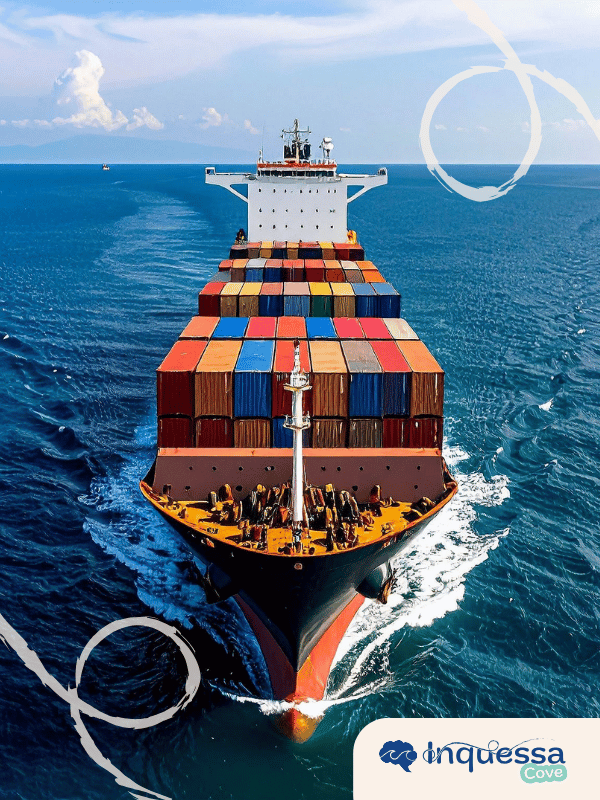
Plastic can move by road, rail, sea, and air. A global network connects people and businesses across different countries so materials, products, and information can move between distant places.
Plastic also travels before it becomes a finished product. Nurdles are small plastic pellets used as raw material for making plastic products. Huge numbers of these pellets move through supply chains around the world.
Plastic pellets are shipped around the world by the trillions. In one cargo ship spill in 2021, about 1,680 metric tons of plastic pellets entered the ocean. That is about the same weight as 280 adult African elephants.
Each pellet is tiny, but enormous amounts can travel together on one journey.
Why Supply Chains Use So Much Plastic
Plastic is useful for shipping because it can be light, strong, flexible, and resistant to water. These properties can help protect goods without adding as much weight as some heavier materials.
Supply chains also need materials that can handle movement, stacking, storage, and changing weather. Plastic can meet many of these needs, which helps explain why it is used so often in packaging and transport.
Its role is therefore about more than convenience. Plastic can help goods arrive safely after long and complicated journeys.
A Global System With Local Effects
Global supply chains may stretch across many countries, but they connect directly to everyday life. A package arriving at a home or school may have already passed through several factories, warehouses, vehicles, and storage areas.
Plastic can have two roles in this system. It can be the product being transported, and it can also be the packaging used to transport other goods. Following these journeys shows how an everyday plastic item can connect people and places around the world.
Plastic on the Move
A box of school supplies may travel hundreds or thousands of kilometers before someone opens it. Along the way, plastic may be part of the product, the container around it, or the wrapping that protects it.
A supply chain is a connected network that moves materials and products through production, transport, storage, and selling. Plastic may travel through a supply chain from raw-material processing and factories to ships, trucks, warehouses, stores, and users. At a global scale, one plastic supply chain can connect suppliers, manufacturers, transport systems, businesses, and consumers across several countries.
Packaging for Long Journeys
Products need protection while they travel. Plastic wrap can hold boxes together on a pallet, while bags, containers, and coverings can keep products clean or reduce damage. Packaging can also make goods easier to stack, store, and move.
Packaging makes up about 40 percent of the planet’s plastic waste, showing how important packaging is to moving and selling goods. This means large amounts of plastic move through supply chains without being the main product. A plastic toy, for example, may travel inside a cardboard box that is also wrapped or protected with plastic.
Factories, Warehouses, and Stores
Products rarely move directly from a factory to the person who uses them. They may first travel to warehouses where goods are stored, sorted, or grouped for another journey.
At each stage, plastic can do different jobs. Containers may hold smaller items together. Wrapping may protect groups of boxes. Delivery bags may carry products through the final part of their trip.
Warehouses and stores are important links in the movement of plastic. They connect the places where products are made with the places where people eventually buy or use them.
Ships, Trucks, and Delivery Routes
Plastic moves by road, rail, sea, and air. A global network, a system connecting places around the world, moves plastic between countries.
Plastic also travels before it becomes a finished object. Small plastic pellets that factories melt and shape into plastic products are called nurdles. Plastic pellets are shipped around the world by the trillions. In one cargo ship spill in 2021, about 1,680 metric tons of these tiny pellets spilled into the ocean. That is about the same weight as 280 adult African elephants.
Each nurdle is tiny, but enormous amounts of them can move together on a single journey. This shows the large scale of the supply system.
Why Supply Chains Use So Much Plastic
Plastic is useful in shipping because it can be light, strong, flexible, and resistant to water. These qualities can help protect products without adding as much weight as some heavier materials.
Supply chains also need materials that can handle repeated movement, stacking, storage, and changing weather conditions. Plastic can meet many of these needs, which is one reason it appears so often in packaging and transport.
Its use is therefore about more than convenience. Plastic can help goods arrive safely after long and complicated journeys.
A Global System With Local Effects
Global supply chains may stretch across countries, but they connect directly to everyday life. A package arriving at a home or school may contain materials and packaging that have already passed through several transport and storage systems.
Plastic can be both something being transported and something used to transport other goods. Following its movement shows how a familiar object can connect factories, warehouses, ships, trucks, stores, and people across many places.
Plastic on the Move
A box of school supplies may travel hundreds or thousands of kilometers before someone opens it. Along the way, plastic may be part of the product, the container around it, or the wrapping that protects it.
A supply chain is the connected network through which plastic materials and products move from production to users. Plastic may pass from factories to warehouses, trucks, ships, stores, schools, homes, and workplaces. These steps can connect businesses and customers in several countries before a product reaches its final destination.
Packaging for Long Journeys
Products need protection while they travel. Plastic wrap can hold boxes together on a pallet, while bags, containers, and protective coverings can keep products clean or reduce damage. Packaging may also make goods easier to stack, store, and move.
Because so many products need packaging, large amounts of plastic move through supply chains without being the main product at all. Packaging makes up about 40 percent of the planet’s plastic waste, showing how central packaging is to moving and selling goods.
A plastic toy may therefore travel inside a cardboard box that is itself wrapped or protected with additional plastic.
Factories, Warehouses, and Stores
Products rarely move directly from a factory to the person who uses them. They may first travel to warehouses where goods are stored, sorted, or grouped for another journey.
At each stage, plastic can serve different purposes. Containers may hold smaller items together. Wrapping may protect a group of boxes. Delivery bags may carry products through the final part of the trip.
Warehouses and stores are therefore important links in the movement of plastic. They connect the places where products are made with the places where people eventually buy or use them.
Ships, Trucks, and Delivery Routes
Plastic moves by road, rail, sea, and air. Companies may use a global network, connections linking people or businesses across countries, to move goods and information between distant places.
Plastic also travels before it becomes a finished object. Small plastic pellets used as raw material for manufacturing plastic products are called nurdles. Plastic pellets are shipped around the world by the trillions. In one cargo ship spill in 2021, about 1,680 metric tons of these tiny pellets spilled into the ocean. That is about the same weight as 280 adult African elephants.
That contrast shows the enormous scale of the system. Each pellet is tiny, but enormous quantities can move together on a single journey.
Why Supply Chains Use So Much Plastic
Plastic is useful in shipping because it can be light, strong, flexible, and resistant to water. Those qualities can help protect products without adding as much weight as some heavier materials.
Supply chains also need materials that can handle repeated movement, stacking, storage, and changing weather conditions. Plastic can meet many of those needs, which is one reason it appears so often in packaging and transport.
Its use is therefore about more than convenience. Plastic can help goods arrive intact after long and complicated journeys.
A Global System With Local Effects
Global supply chains may stretch across countries, but they connect directly to everyday life. A package arriving at a home or school may carry materials and packaging that have already passed through several transport and storage systems.
Plastic can be both something being transported and something used to transport other goods. Following its movement reveals how a familiar object can be connected to factories, warehouses, ships, trucks, stores, and people far beyond the place where it is finally used.
Plastic on the Move
A box of school supplies may travel hundreds or thousands of kilometers before someone opens it. Along the way, plastic may be part of the product itself, the container around it, or the wrapping used to protect it.
A supply chain is the interconnected system of production, logistics, storage, distribution, and trade through which materials and products move. Plastic may pass from factories to warehouses, trucks, ships, stores, schools, homes, and workplaces before it reaches the person who finally uses it.
These steps can connect businesses and customers across several countries, making even an ordinary product part of a much larger movement system.
Packaging for Long Journeys
Products often need protection while they travel. Plastic wrap can hold boxes together on a pallet, while bags, containers, and protective coverings can keep goods clean, reduce damage, and make them easier to stack or store.
Because packaging supports so many products in transit, large amounts of plastic move through supply chains without being the main product at all.
Packaging accounts for about 40 percent of the planet’s plastic waste, reflecting how extensively plastic packaging is used to protect, move, store, and sell goods.
A plastic toy, for example, may travel inside a cardboard box that is itself wrapped or protected with additional plastic.
Factories, Warehouses, and Stores
Products rarely travel directly from a factory to the person who uses them. They may first move to warehouses, where goods are stored, sorted, grouped, or prepared for another stage of transport.
Plastic can serve different purposes at each stage. Containers may keep smaller items together, wrapping may stabilize groups of boxes, and delivery bags may carry products through the final part of a journey.
Warehouses and stores therefore form important links between production and everyday use.
Ships, Trucks, and Delivery Routes
Plastic moves by road, rail, sea, and air. These routes form part of a global network, a system of connections linking people, businesses, or organizations across different countries.
Plastic also travels before it becomes a finished object. Nurdles are small pre-production plastic pellets that are melted and shaped during manufacturing.
Plastic pellets, or nurdles, move through a vast global supply network in quantities reaching the trillions. In one cargo ship spill in 2021, about 1,680 metric tons of pellets entered the ocean, roughly the weight of 280 adult African elephants.
Each pellet is tiny, but the comparison shows how enormous the quantities moving through a single transport system can become.
Why Supply Chains Use So Much Plastic
Plastic works well in transport because it can combine low weight with strength, flexibility, and resistance to water. These properties can help protect goods without adding as much weight as some heavier materials.
Supply chains also need materials that can withstand stacking, storage, repeated movement, and changing conditions during transport. Plastic can meet many of these demands, which helps explain why it appears so frequently in packaging and shipping.
Its use in supply chains is therefore connected to the practical demands of moving goods over long and complicated routes.
A Global System With Local Effects
Global supply chains may stretch across borders, but they connect directly to everyday life. A package arriving at a school or home may contain materials and packaging that have already moved through factories, warehouses, ships, trucks, and stores.
Plastic can therefore play two roles at once: it can be the material being transported and the material used to transport other goods.
Following those movements reveals how an ordinary plastic product can connect a local purchase with a much wider global network.
Key Vocabulary
warehouse (noun) A large building where goods are stored before being moved or sold. (storage building, distribution center)
pallet (noun) A flat platform used to hold and move groups of boxes or products. (shipping platform)
protective covering (noun) ️ Material placed around goods to help keep them clean or prevent damage. (wrapping, protection)
distribution (noun) The process of moving goods from where they are made or stored to where they will be sold or used. (delivery, supply)
logistics (noun) ️ The planning and organization involved in moving and storing goods. (transport planning, movement system)
storage (noun) The act of keeping goods in a place until they are needed or moved. (keeping, warehousing)
stack (verb) To place objects on top of one another in an organized way. (pile, arrange)
delivery route (noun) A path used to move goods from one place to another. (transport route, shipping path)
transport (noun) The movement of materials or products from one place to another. (shipping, movement)
supplier (noun) A person or company that provides materials or products to another business or organization. (provider, source)
manufacturer (noun) ⚙️ A person or company that makes products. (maker, producer)
