
Plastic Bags Everywhere
About this Article
Lines of Inquiry
- How the design of lightweight plastic bags helped them fit easily into modern shopping systems.
- How low weight, low cost, strength, and convenience helped plastic bags spread on a very large scale.
- How changes in store rules and shopper behavior can alter the use of a familiar everyday product.
Guiding Questions
- Why were lightweight plastic bags so useful to both stores and shoppers?
- How can something extremely small and light become a large environmental issue when it is used trillions of times?
- How can changing the way stores provide bags affect shopper behavior?
Plastic Bags Everywhere
A Bag That Is Light and Strong
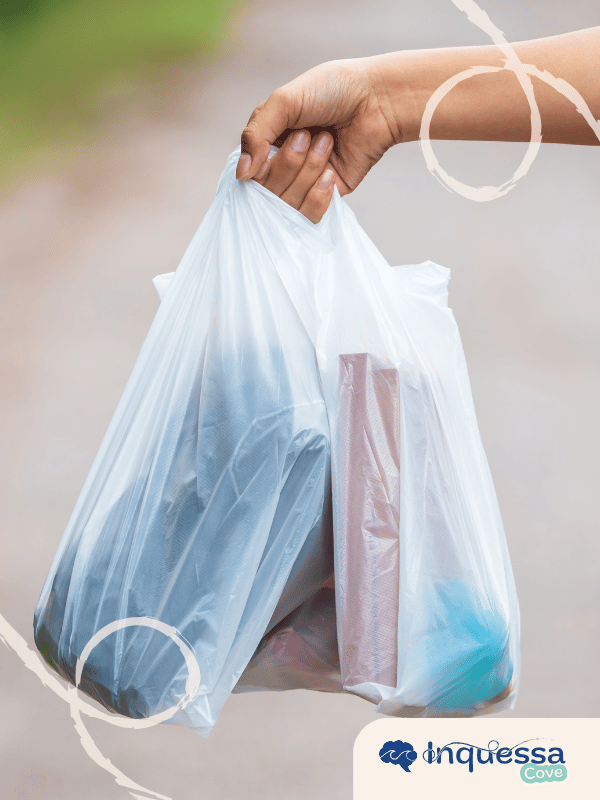
Plastic shopping bags are very thin. A lightweight bag uses only a small amount of material, but it can still be strong enough to carry groceries, clothes, or other purchases.
These bags can fold almost flat, weigh very little, and resist water. That makes large numbers of them easy for stores to keep and move.
A lightweight plastic shopping bag can have walls less than 50 microns thick. That is about half the thickness of a sheet of printer paper.
Even though the plastic is so thin, the bag can still do its job. This mix of low weight and strength helped plastic bags become common.
Easy for Stores and Shoppers
The single-use plastic grocery bag was patented in 1965.
Its design fit easily into the way many stores worked. A retailer is a business that sells products directly to shoppers. Retailers could keep large numbers of thin plastic bags near checkout areas without needing much storage space.
Plastic bags also offered convenience, meaning they made shopping quicker or easier. A shopper did not need to bring a container from home. The store could simply provide a bag for carrying purchases.
Plastic bags became common because they worked well for both stores and shoppers.
Used Once, Carried Everywhere
Many shopping bags are single-use. This means they are mainly designed for one short period of use before they are thrown away.
A bag may carry purchases for only a few minutes or hours, although some people use their bags again.
One bag may seem like a tiny amount of plastic. The scale changes when the same kind of bag is used again and again around the world.
People around the world use about 5 trillion plastic bags each year. That averages about 160,000 bags every second.
Even a very light object can create a huge amount of material when people use trillions of them.
Why One Small Item Became a Big Issue
The same qualities that made plastic bags useful also caused problems after use. Thin bags are easy to hand out in large numbers. Their light weight also means discarded bags can be carried away by wind.
Lightweight plastic shopping bags became very common litter in Europe. The European Union has been working to reduce this problem since 2015.
One way countries tried to reduce bag use was by stopping stores from giving them away for free. In many places, shoppers began paying for bags instead. This also encouraged some people to bring reusable bags.
Plastic bags did not spread for only one reason. Their strength, low weight, low cost, and convenience all worked together. The story of the plastic bag shows how one small item can become a much bigger issue when it fits easily into everyday systems.
A Bag That Is Light and Strong
Plastic shopping bags are remarkably thin. Lightweight means having little weight compared with size. A lightweight plastic bag uses a small amount of material while still being strong enough to carry purchases. It can fold nearly flat, weigh very little, and resist water.
A bag does not need to be thick to do its job. Many can carry groceries, clothing, or other purchases even though the plastic walls are extremely thin.
A lightweight plastic shopping bag can have walls less than 50 microns thick, about half the thickness of a sheet of printer paper.
This mix of low weight and useful strength helped make plastic bags practical for everyday shopping.
Easy for Stores and Shoppers
The single-use plastic grocery bag was patented in 1965.
Its design fit easily into the way many shops worked. A retailer is a business that sells products directly to shoppers. Retailers could keep large supplies of thin plastic bags near checkout areas without needing much storage space. Because the bags were inexpensive, stores could provide large numbers of them at low cost.
For shoppers, the bags offered convenience, which describes how easily or quickly something can be used, carried, bought, or thrown away. Someone could arrive at a shop without bringing a container and still have a simple way to carry purchases home. Plastic bags became common because their design worked well for both shoppers and store systems.
Used Once, Carried Everywhere
Many shopping bags are single-use, meaning they are mainly intended for one short period of use before disposal. A bag may carry purchases for only a few minutes or hours, although some people use their bags again.
The scale is difficult to see when looking at just one bag.
Around the world, people use about 5 trillion plastic bags each year. That averages about 160,000 bags every second.
Even a very small and light object becomes a huge flow of material when it is used trillions of times.
Why One Small Item Became a Big Issue
The same qualities that made plastic bags useful also helped create problems after use. Thin bags are easy to hand out in huge numbers, and their light weight means discarded bags can be carried away by wind.
Lightweight plastic shopping bags have been listed among the ten most commonly littered items in Europe. The European Union has been trying to reduce this problem since 2015.
EU rules required countries to reduce the use of these bags. One approach was to stop shops from giving them away for free. In many places, shoppers began paying for a bag at checkout instead. These changes also encouraged people to bring reusable bags rather than taking a new bag each time.
Plastic bags did not spread for only one reason. Their strength, low weight, low cost, and convenience worked together. The story of the plastic bag shows how one small object can become a much larger issue when its design fits so easily into everyday systems.
A Bag That Is Light and Strong
Plastic shopping bags are remarkably thin. A lightweight plastic bag uses a small amount of material while still being strong enough to carry purchases. It can fold nearly flat, weigh very little, and resist water. These properties make large numbers of bags easy to store and transport.
A bag does not need to be thick to do its job. Many can carry groceries, clothing, or other purchases even though the plastic walls are extremely thin.
A lightweight plastic shopping bag can have walls less than 50 microns thick, about half the thickness of a sheet of printer paper.
This combination of low weight and useful strength helped make plastic bags practical for everyday shopping.
Easy for Stores and Shoppers
The single-use plastic grocery bag was patented in 1965.
Its design fit easily into the way many shops operated. A retailer is a business that sells products directly to shoppers. Retailers could keep large supplies of thin plastic bags near checkout areas without needing much storage space. Because the bags were inexpensive, stores could provide enormous numbers of them at little cost.
For shoppers, the bags offered convenience, meaning they made a task quicker or easier. Someone could arrive at a shop without bringing a container and still have a simple way to carry purchases home. Plastic bags became common not only because shoppers used them, but because their design worked so well within store systems built around quick, low-cost packaging.
Used Once, Carried Everywhere
Many shopping bags are single-use, meaning they are mainly intended for one short period of use before disposal. A bag may carry purchases for only a few minutes or hours, although some people use their bags again.
The scale is difficult to see when looking at just one bag.
Around the world, people use about 5 trillion plastic bags each year. That averages about 160,000 bags every second.
Even an extremely small, light object becomes a huge flow of material when it is used trillions of times.
Why One Small Item Became a Big Issue
The same qualities that made plastic bags useful also helped create problems after use. Thin bags are easy to hand out in huge numbers, and their light weight means discarded bags can be carried away by wind.
Lightweight plastic shopping bags have been listed among the ten most commonly littered items in Europe, a problem the European Union has been trying to reduce since 2015.
EU rules required countries to cut the use of these bags, and one approach was to stop shops from giving them away for free. In many places, shoppers began paying for a bag at checkout instead. These changes also encouraged people to bring reusable bags with them rather than taking a new bag each time they shopped.
Plastic bags did not spread for only one reason. Their strength, low weight, low cost, and convenience worked together. The story of the plastic bag shows how one small object can become a much larger issue when its design fits so easily into everyday systems.
A Bag That Is Light and Strong
Plastic shopping bags are remarkably thin. A lightweight plastic bag uses very little material while still being strong enough to carry groceries, clothing, and other purchases. It can fold nearly flat, weigh very little, and resist water, which makes large numbers of bags easy for stores to transport and store.
A bag does not need thick walls to do its job. A lightweight plastic shopping bag can have walls less than 50 microns thick, about half the thickness of a sheet of printer paper, while still being strong enough to carry purchases. This combination of low weight and useful strength helped make plastic bags practical for everyday shopping.
Easy for Stores and Shoppers
The single-use plastic grocery bag was patented in 1965 and later became common in everyday shopping. Its design fit easily into the way many stores operated. A retailer is a business that sells products directly to shoppers, and retailers could keep large supplies of thin plastic bags near checkout areas without using much storage space.
For shoppers, the bags offered convenience, reducing the effort needed to carry purchases home. Someone could arrive at a shop without bringing a container and still leave with a simple way to carry what they bought. Plastic bags became common not only because shoppers used them, but because their design also suited store systems built around quick, low-cost packaging.
Used Once, Carried Everywhere
Many shopping bags are single-use, meaning they are designed mainly for one short period of use before disposal. A bag may carry purchases for only minutes or hours, although some people use their bags again.
The scale becomes much clearer when individual bags are considered together. Around the world, people use about 5 trillion plastic bags each year, an average of about 160,000 bags every second. Even an extremely light object creates a large flow of material when it is used trillions of times.
Why One Small Item Became a Big Issue
The same qualities that made plastic bags useful can create problems after use. Thin bags can be handed out in very large numbers, while their low weight means discarded bags can also be moved easily by wind.
Lightweight plastic shopping bags have been among the ten most commonly littered items in Europe, and the European Union has been working to reduce their use since 2015. One approach has been to stop shops from giving these bags away for free, encouraging shoppers to bring reusable bags or think more carefully about taking a new one.
Plastic bags did not spread for only one reason. Their strength, low weight, low cost, and convenience worked together, helping one small object become part of shopping systems used on an enormous scale.
Key Vocabulary
checkout (noun) The place in a store where shoppers pay for what they buy. (payment area, register)
storage space (noun) The room available for keeping items until they are needed. (storage area, space)
inexpensive (adjective) Costing relatively little money. (low-cost, cheap)
provide (verb) To make something available for someone to use. (supply, give)
discarded (adjective) ️ Thrown away or no longer wanted. (disposed of, thrown away)
scale (noun) The size or amount of something when many examples are considered together. (size, extent)
littered (adjective) Thrown or left somewhere as waste instead of being properly managed. (discarded, left as litter)
reduce (verb) To make something smaller in amount or number. (decrease, cut)
checkout charge (noun) A fee a shopper pays for taking a bag at the store checkout. (bag fee, charge)
reusable bag (noun) A bag designed to be used many times instead of for only one shopping trip. (multi-use bag)
shopping system (noun) The connected routines and choices used by stores and shoppers to sell, carry, and buy goods. (retail system, store routine)
