Plastic and Sea Animals
About this Article
Lines of Inquiry
- Different ways plastic can affect sea animals through entanglement, ingestion, and habitat disruption.
- The role of feeding, movement, and habitat in shaping the risks animals face.
- Connections between plastic, individual animals, habitats, and food webs.
Guiding Questions
- Why can the same piece of plastic create different risks for different sea animals?
- How can plastic affect an animal even when the animal never swallows it or becomes tangled in it?
- Why is it difficult to describe the effects of ocean plastic by studying only one species?
Plastic and Sea Animals
Plastic Animals Can Get Caught In
Plastic debris can cause problems when animals become caught in it. Entanglement happens when an animal gets caught or wrapped in something.
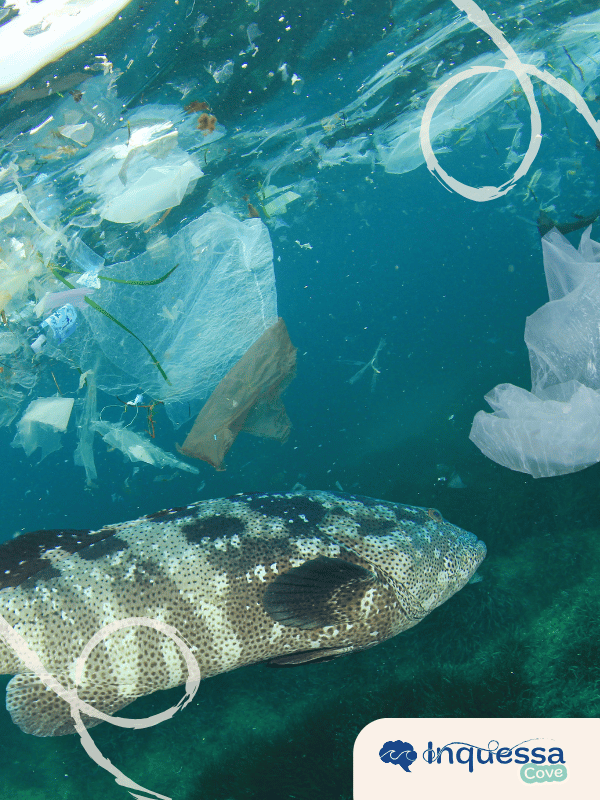
Lost fishing nets and line can entangle sea animals, along with plastic packing bands, balloon strings, plastic bags, and other debris. These materials may wrap around animals as they swim, feed, or move through their habitats.
Entanglement does not affect every animal in the same way. Seals, turtles, seabirds, fish, and whales may meet different kinds of debris.
When Animals Eat Plastic
Sea animals may also swallow plastic while searching for food. Ingestion means swallowing something into the body.
Animals do not recognize plastic the way people do. They react to what they see, smell, or find while feeding. Floating, colorful, and small plastic pieces can be more likely to attract hungry animals than some other kinds of debris.
Different feeding habits create different risks. A seabird feeding near the surface may meet different plastic from a fish feeding deeper in the water.
Homes and Habitats Affected by Debris
Plastic can affect marine life without being eaten or wrapped around an animal. Plastic can cause habitat disruption, changing or blocking places where animals live, feed, or shelter.
Debris can affect coral reefs and other habitats. Other animals may depend on those same places, so plastic in one location can affect more than one species.
Small Pieces in Food Webs
Small plastic pieces can also enter feeding relationships. A connected feeding system of plants and animals is called a food web.
If one organism takes in plastic and is later eaten by another animal, plastic may move through part of that food web. These pathways can be complicated because ocean organisms have many feeding relationships.
Different Animals, Different Risks
Plastic does not create one identical danger for every sea animal. A large piece may create an entanglement risk, while a smaller piece may be swallowed.
Where an animal lives, how it feeds, and how it moves through the ocean all affect the plastic it may meet. This is why plastic pollution cannot be explained by looking at only one group of animals.
Why Impacts Are Still Studied
Scientists continue studying how plastic affects sea animals, habitats, and food webs. Some effects, such as an animal getting tangled, can be seen directly. Other effects are harder to study.
Finding plastic near or inside an animal does not automatically tell scientists what will happen. The effect depends on the animal, the plastic, and how they come into contact.
Plastic Animals Can Get Caught In
Plastic debris can create problems when animals become caught in materials moving through the ocean. When an animal becomes trapped or wrapped in debris, it is called entanglement. Lost fishing nets and line can entangle sea animals. Plastic packing bands, balloon strings, plastic bags, and other debris can create the same risk. These materials may wrap around animals as they swim, feed, or move through their habitats.
Entanglement does not affect every animal in the same way. Seals, turtles, seabirds, fish, and whales may come across different kinds of debris. What happens depends on what becomes caught and where.
When Animals Eat Plastic
Sea animals may also swallow plastic while searching for food. When food or another substance is eaten or swallowed, it is called ingestion.
Animals do not recognize plastic the way people do. They respond to what they see, smell, or find while feeding. Floating, colorful, and small plastic pieces can be more likely to attract hungry animals than some other kinds of debris. A piece of plastic may therefore be swallowed during normal feeding behavior rather than because an animal is being careless.
Different feeding habits also create different risks. A seabird searching near the surface may come across different plastic from a fish feeding farther below.
Homes and Habitats Affected by Debris
Plastic can affect marine life without being eaten or wrapped around an animal. When waste interferes with how organisms use their habitat, it is called habitat disruption. This means plastic debris can make places harder or less safe for animals to use.
Corals and reef habitats can be affected when debris interferes with places organisms live, feed, or shelter. Other animals may depend on these habitats for part of their lives. Plastic in one place can therefore affect more than the animal that first comes across it.
Small Pieces in Food Webs
Small pieces of plastic can also enter feeding relationships in the ocean. Feeding relationships in an ecosystem connect many plants and animals rather than forming only one simple chain. These overlapping connections form a network called a food web.
If one organism eats plastic and is then eaten by another animal, plastic may move through part of that food web. These pathways can be complicated because ocean organisms have many different feeding relationships. Scientists study where plastic enters these connections and what effects may follow.
Different Animals, Different Risks
Plastic does not create one identical danger for every sea animal. A large piece of debris may create an entanglement risk, while a smaller piece may be swallowed. Where an animal lives, how it feeds, and how it moves through the ocean can all affect what kind of plastic it encounters.
This is why plastic pollution cannot be explained by focusing only on turtles, seabirds, or any other single group. Different animals face different combinations of risks.
Why Impacts Are Still Studied
Scientists continue studying how plastic affects sea animals, habitats, and feeding relationships. Some effects, such as an animal becoming tangled in debris, can be observed directly. Others involve smaller pieces of plastic or more complicated changes within ecosystems.
Research helps separate what is already well understood from questions that still need investigation. An animal touching or encountering plastic does not automatically mean it will die. The effects depend on the animal, the plastic, and the way the two come into contact.
Plastic Animals Can Get Caught In
Plastic debris can create problems when animals become caught in materials moving through the ocean. A situation in which an animal becomes caught, wrapped, or trapped in fishing gear or other debris is called entanglement. Lost fishing nets and line can create this risk, along with plastic packing bands, balloon strings, plastic bags, and other debris. These materials may wrap around animals as they swim, feed, or move through their habitats.
Entanglement does not affect every animal in the same way. Seals, turtles, seabirds, fish, and whales may encounter different kinds of debris, and the result depends on what becomes caught and where.
When Animals Eat Plastic
Sea animals may also swallow plastic while searching for food. The process of taking food, plastic, or another substance into the body by swallowing it is called ingestion.
Animals do not recognize plastic the way people do. They respond to what they see, smell, or encounter while feeding. Floating, colorful, and small plastic pieces can be more likely to attract hungry animals than some other kinds of debris. A piece of plastic may therefore be swallowed during normal feeding behavior rather than because an animal is being careless.
Different feeding habits also create different risks. A seabird searching near the surface may encounter different plastic from a fish feeding farther below.
Homes and Habitats Affected by Debris
Plastic can affect marine life without being eaten or wrapped around an animal. When a change interferes with conditions organisms need within a habitat, it is called habitat disruption. This means plastic debris can alter habitat use without directly injuring an animal.
Corals and reef habitats can be affected when debris interferes with places organisms live, feed, or shelter. Other animals may depend on these habitats for part of their lives. Plastic in one place can therefore affect more than the animal that first encounters it.
Small Pieces in Food Webs
Small pieces of plastic can also enter feeding relationships in the ocean. Many plants and animals are connected through overlapping feeding relationships. This system is called a food web.
If one organism eats plastic and is then eaten by another animal, plastic may move through part of that food web. These pathways can be complicated because ocean organisms have many different feeding relationships. Scientists study where plastic enters these connections and what effects may follow.
Different Animals, Different Risks
Plastic does not create one identical danger for every sea animal. A large piece of debris may create an entanglement risk, while a smaller piece may be swallowed. Where an animal lives, how it feeds, and how it moves through the ocean can all affect what kind of plastic it encounters.
This is why plastic pollution cannot be explained by focusing only on turtles, seabirds, or any other single group. Different animals face different combinations of risks.
Why Impacts Are Still Studied
Scientists continue studying how plastic affects sea animals, habitats, and feeding relationships. Some effects, such as an animal becoming tangled in debris, can be observed directly. Others involve smaller pieces of plastic or more complicated changes within ecosystems.
Research helps separate what is already well understood from questions that still need investigation. An animal touching or encountering plastic does not automatically mean it will die. The effects depend on the animal, the plastic, and the way the two come into contact.
Plastic Animals Can Get Caught In
Plastic debris can create problems when animals become caught in materials moving through the ocean. Entanglement is a situation in which an animal becomes caught, wrapped, or trapped in fishing gear or other debris. Lost fishing nets and line can entangle sea animals, along with plastic packing bands, balloon strings, plastic bags, and other debris. These materials may wrap around animals as they swim, feed, or move through their habitats.
Entanglement does not affect every animal in the same way. Seals, turtles, seabirds, fish, and whales may encounter different kinds of debris; therefore, the result depends on what becomes caught and where.
When Animals Eat Plastic
Sea animals may also swallow plastic while searching for food. Ingestion is the process of taking food, plastic, or another substance into the body by swallowing it.
Animals do not recognize plastic the way people do. Instead, they respond to what they see, smell, or encounter while feeding. Floating, colorful, and small plastic pieces can be more likely to attract hungry animals than some other kinds of debris. A piece of plastic may therefore be swallowed during normal feeding behavior rather than because an animal is being careless.
Different feeding habits also create different risks. A seabird searching near the surface may encounter different plastic from a fish feeding farther below.
Homes and Habitats Affected by Debris
Plastic can affect marine life without being eaten or wrapped around an animal. When a change interferes with conditions organisms need within a habitat, it is called habitat disruption. This means plastic debris can alter how a habitat can be used without directly injuring an animal.
Corals and reef habitats can be affected when debris interferes with places organisms live, feed, or shelter. Other animals may depend on these same habitats for part of their lives. Plastic in one place can therefore affect more than the animal that first encounters it.
Small Pieces in Food Webs
Small pieces of plastic can also enter feeding relationships in the ocean. Many plants and animals are connected through overlapping feeding relationships. This system is called a food web.
If one organism eats plastic and is then eaten by another animal, plastic may move through part of that food web. However, these pathways can be complicated because ocean organisms have many different feeding relationships. Scientists therefore study where plastic enters these connections and what effects may follow.
Different Animals, Different Risks
Plastic does not create one identical danger for every sea animal. A large piece of debris may create an entanglement risk, while a smaller piece may be swallowed. Where an animal lives, how it feeds, and how it moves through the ocean can all affect what kind of plastic it encounters.
This is why plastic pollution cannot be explained by focusing only on turtles, seabirds, or any other single group. Different animals face different combinations of risks.
Why Impacts Are Still Studied
Scientists continue studying how plastic affects sea animals, habitats, and feeding relationships. Some effects, such as an animal becoming tangled in debris, can be observed directly. Others involve smaller pieces of plastic or more complicated changes within ecosystems.
Research helps separate what is already well understood from questions that still need investigation. An animal touching or encountering plastic does not automatically mean it will die. The effects depend on the animal, the plastic, and the way the two come into contact.
Key Vocabulary
debris (noun) ️ Scattered waste or broken material left in an environment. (waste, rubbish)
marine life (noun) Plants, animals, and other organisms that live in oceans and seas. (ocean life, sea life)
feeding behavior (noun) The ways an animal searches for, chooses, and eats food. (feeding habits, eating behavior)
reef habitat (noun) An underwater habitat formed around a reef where many organisms live, feed, or shelter. (reef ecosystem, coral habitat)
organism (noun) An individual living thing, such as an animal, plant, or microorganism. (living thing, life form)
ecosystem (noun) A community of living things interacting with one another and with their environment. (ecological system, living system)
coral (noun) A small marine animal that often lives in colonies and can help form reefs. (reef-building animal)
shelter (noun) A protected place where an animal can hide, rest, or stay safe. (cover, refuge)
encounter (verb) To come across or come into contact with something. (meet, come across)
species (noun) A group of living things that share important characteristics and can reproduce with one another. (kind, biological group)
surface (noun) The uppermost part of a body of water. (top, upper layer)
directly (adverb) ➡️ In an immediate way, without another step or effect in between. (immediately, straightaway)
