
How Single-Use Plastic Spread So Quickly
About this Article
Lines of Inquiry
- How several technological, business, and social changes helped single-use plastic spread.
- The relationship between convenience and the systems designed around quick use and disposal.
- How repeated exposure to new products and packaging can change everyday expectations.
Guiding Questions
- Why did lightweight plastic fit the changing needs of supermarkets, food systems, and transport networks?
- How did convenience influence businesses and systems as well as individual choices?
- Why did single-use plastic spread more quickly when several changes supported one another at the same time?
How Single-Use Plastic Spread So Quickly
Made to Be Used Once
Single-use plastic is designed for one short use before being thrown away.
Wrappers, cups, bags, and food containers may only be useful for a short time.
Single-use plastic did not spread because of one invention or one habit. It became common because it worked well with many changing systems.
Factories could make large numbers of lightweight products. Stores could package and display goods in new ways. People also began buying more products that were made for quick use.
Why Cheap and Light Mattered
Plastic could be made in large amounts and shaped into many forms.
Its low weight also mattered. Lighter packaging could be easier and cheaper to move than heavier materials such as glass.
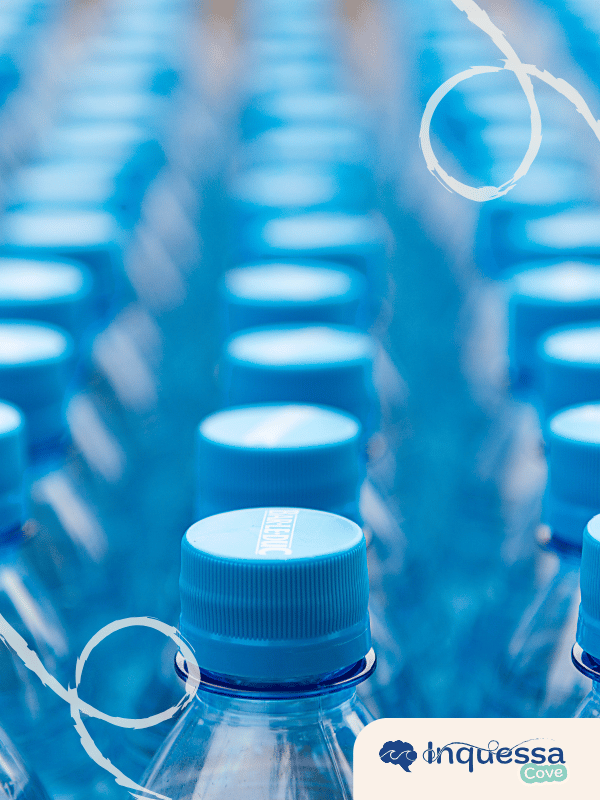
PET is often used for food and drink packaging. It is clear, strong, and lightweight.
These qualities made PET useful for protecting products without adding much weight.
Packaging for Faster Shopping
Shopping habits were changing too.
Many foods became pre-packaged, or put into packaging before they reached stores or customers.
Supermarkets grew quickly in the 1950s and 1960s. More food needed to be packaged before it reached store shelves. Lightweight plastic also helped some foods stay on shelves for much longer without spoiling.
Packaging helped protect food while shoppers picked it up, looked at it, and carried it through the store.
Food, Hygiene, and Convenience
Plastic also worked well for food service and busy daily routines.
A lightweight cup, wrapper, or container could hold food, protect it from handling, and make cleanup faster.
Convenience means making something quick or easy to use. This means single-use plastic can save time even when it creates more waste later.
Convenience was not only about personal choices. Stores, restaurants, factories, and transport systems also began using products made for quick use and disposal.
How Habits Became Normal
As single-use plastic became common, people saw it more often.
Products that once came in reusable containers, paper wrapping, or from behind a shop counter could now arrive already packaged.
Businesses became used to lightweight cups, containers, and wrappers. Food service could also move faster when items did not need to be collected, washed, and reused.
Single-use plastic spread because many changes worked together. Low cost, light weight, food protection, faster shopping, and convenience all helped make it part of everyday life.
Made to Be Used Once
Items made from single-use plastic are intended for one brief use instead of repeated use. Wrappers, cups, bags, and food containers may be useful only for a short time before they are thrown away.
Single-use plastic did not spread because of one invention or one careless habit. It became common because it fit several changing systems at the same time. Manufacturers could make large numbers of lightweight products, stores could package and display goods differently, and people increasingly bought products in ways that favored quick use and easy disposal.
Why Cheap and Light Mattered
Plastic could be produced in large amounts and shaped into many different forms. Its low weight was also useful. Lightweight packaging could be easier and cheaper to transport than heavier materials such as glass.
PET is widely used for food and drink packaging because it is clear, strong, and lightweight. These qualities made it useful for packaging that needed to protect a product without adding much weight. When millions of products were being transported to shops, even small differences in weight could matter across the whole supply system.
Packaging for Faster Shopping
Shopping habits were changing too. As supermarkets expanded during the 1950s and 1960s, more food was placed on open shelves where customers could choose it themselves. Many foods became pre-packaged, or packed before being placed on store shelves for customers.
As supermarkets grew during the 1950s and 1960s, more food needed to be pre-packaged. Changing from glass and paper to lightweight plastic could allow food to stay on grocery shelves up to three times longer without spoiling. Packaging also helped protect food while customers picked it up, examined it, and carried it through the store.
Food, Hygiene, and Convenience
Plastic also fit changes in food service and daily routines. A lightweight cup, wrapper, or container could hold food, protect it from handling, and make cleanup faster.
Convenience describes how easily or quickly something can be used, carried, bought, or thrown away. Lightweight packaging could suit busy routines even when it was used only briefly. Convenience was not only about individual choices. Stores, restaurants, manufacturers, and transport systems were also being designed around products that could be used quickly and then discarded.
How Habits Became Normal
Once single-use plastic became common in shops and food systems, people encountered it more often. Products that once might have been carried in reusable containers, wrapped in paper, or sold by a clerk could now arrive already packaged.
Over time, these systems shaped expectations. Shoppers became used to picking up packaged products from shelves. Businesses became used to lightweight containers and wrappers. Food service could move faster when items did not need to be collected, washed, and reused.
Single-use plastic spread because several changes supported one another. Low cost, light weight, faster shopping, food protection, and convenience all helped make short-use plastic a normal part of everyday life.
Made to Be Used Once
Single-use plastic is designed for one use or a short period of use instead of repeated use over a longer life. Items such as wrappers, cups, bags, or food containers may be useful only briefly before they are discarded.
Single-use plastic did not spread because of one invention or one careless habit. It became common because it fit several changing systems at the same time. Manufacturers could make large numbers of lightweight products, stores could package and display goods differently, and people increasingly bought food and other products in ways that favored quick use and easy disposal.
Why Cheap and Light Mattered
Plastic could be produced in large quantities and shaped into many different forms. Its low weight also mattered. Lighter packaging could be easier and less expensive to move than heavier materials such as glass.
PET is widely used for food and drink packaging because it is clear, strong, and lightweight. These qualities made plastic useful for packaging that needed to protect a product without adding much weight. When millions of products were being transported to shops, even small differences in weight could matter across an entire supply system.
Packaging for Faster Shopping
Shopping habits were also changing. As supermarkets expanded during the 1950s and 1960s, more food was placed on open shelves where customers could choose it themselves. Pre-packaged products are placed into packaging before they reach shops or customers.
The rise of supermarkets in the 1950s and 1960s increased the need for food to be pre-packaged. Shifting from glass and paper to lightweight plastic allowed grocery stores to display some foods on shelves for much longer without spoiling. Packaging helped food stay protected while customers picked it up, examined it, and carried it through the store.
Food, Hygiene, and Convenience
Plastic also fit changes in food service and daily routines. A lightweight cup, wrapper, or container could be used to hold food, protect it from handling, and make cleanup faster.
Convenience is the ease, speed, or reduced effort a product or system provides for users. Single-use plastic spread partly because it made packaging, transport, food service, and cleanup easier. Convenience was not only about individual choices. Stores, restaurants, manufacturers, and transport systems were increasingly designed around products that could be used quickly and then discarded.
How Habits Became Normal
Once single-use plastic became common in shops and food systems, people encountered it more often. Products that once might have been carried in reusable containers, wrapped in paper, or sold by a clerk could now arrive already packaged.
Over time, these systems shaped expectations. Shoppers became used to grabbing packaged products from shelves. Businesses became used to lightweight containers and wrappers. Food service could move faster when items did not need to be collected, washed, and reused.
Single-use plastic therefore spread because many changes reinforced one another. Low cost, light weight, faster shopping, food protection, and convenience all helped make short-use plastic feel normal in everyday life.
Made to Be Used Once
Single-use plastic is plastic intended to serve a brief purpose instead of being designed for repeated use. Wrappers, cups, bags, and food containers may perform their job for only a short time before being discarded.
Its rapid spread did not result from one invention or one careless habit. Single-use plastic fit several changing systems at once: manufacturers could produce large quantities of lightweight items, stores could display and sell goods differently, and food systems increasingly favored packaging designed for quick use and easy disposal.
Why Cheap and Light Mattered
Plastic could be manufactured in large quantities and shaped into many different forms. Its low weight also made it attractive for products that had to be transported in huge numbers.
PET combines three qualities that make it widely useful for food and drink packaging: clarity, strength, and low weight. These properties allowed packaging to protect products without adding the weight of materials such as glass. Across a large supply system, even relatively small differences in package weight could affect how goods were moved and handled.
Packaging for Faster Shopping
Shopping habits were changing alongside packaging. As supermarkets expanded, customers increasingly selected products directly from shelves rather than asking a clerk to collect each item. Many foods therefore became pre-packaged, or enclosed and prepared for sale before reaching the consumer.
As supermarkets expanded during the 1950s and 1960s, more food needed to arrive already packaged; replacing some glass and paper packaging with lightweight plastic allowed stores to keep certain foods on display for much longer without spoiling. Packaging also allowed shoppers to pick up, examine, and carry products while the food inside remained protected.
Food, Hygiene, and Convenience
Single-use plastic also suited changing food-service systems and everyday routines. Lightweight cups, wrappers, and containers could hold food, protect it from repeated handling, and reduce the need to collect and wash items after every use.
Convenience describes the time, effort, or complexity a product or system removes from an activity. This means convenience can strongly shape behavior even when the easiest option creates costs elsewhere in the system. In the case of single-use plastic, convenience affected more than individual preferences because stores, restaurants, manufacturers, and transport systems increasingly operated around products designed for quick use and disposal.
How Habits Became Normal
As these systems expanded, people encountered single-use plastic more often. Products that might once have been carried in reusable containers, wrapped in paper, or collected from a clerk increasingly arrived already packaged.
Repeated exposure shaped expectations across the system. Shoppers became accustomed to taking packaged products directly from shelves, businesses relied on lightweight wrappers and containers, and food service could operate without collecting and washing every item for reuse.
Single-use plastic spread quickly because these changes reinforced one another. Low cost, light weight, food protection, faster shopping, and convenience all supported systems in which short-use plastic became an ordinary part of daily life.
Key Vocabulary
PET (noun) A strong, clear, lightweight type of plastic often used for food and drink packaging. (type of plastic)
packaging (noun) Material used to contain, protect, carry, or display a product. (wrapping, container)
lightweight (adjective) Weighing relatively little. (light, not heavy)
transport (noun) The movement of goods or people from one place to another. (movement, carrying)
supermarket (noun) A large self-service store that sells food and many household products. (grocery store, food store)
self-service (adjective) ️ Describing a system in which customers select products themselves rather than relying on a clerk. (serve-yourself, customer-selected)
display (verb) To arrange or show products so people can see and choose them. (show, present)
hygiene (noun) Practices and conditions that help keep people, food, or places clean. (cleanliness, sanitation)
disposal (noun) ️ The process of getting rid of something after it is no longer wanted or useful. (throwing away, removal)
manufacturer (noun) A person or company that makes products. (maker, producer)
supply system (noun) The connected processes used to make, move, store, and provide products. (supply network)
expectation (noun) An idea about what people think will normally happen or be available. (assumption, belief)
