
Clothes That Shed Tiny Plastic Fibers
About this Article
Lines of Inquiry
- The conditions that cause fibers to loosen from synthetic clothing during wearing, washing, and drying.
- Pathways linking everyday clothing care with wastewater, stormwater, air, and larger environmental systems.
- What happens when material that was once part of a usable garment breaks into much smaller fibers and spreads.
Guiding Questions
- Why can clothing release fibers even when it still looks usable?
- What happens to tiny fibers after they leave a garment during washing?
- Why does the small size of microfibers make them more difficult to manage than larger pieces of plastic?
Clothes That Shed Tiny Plastic Fibers
Tiny Fibers From Fabric
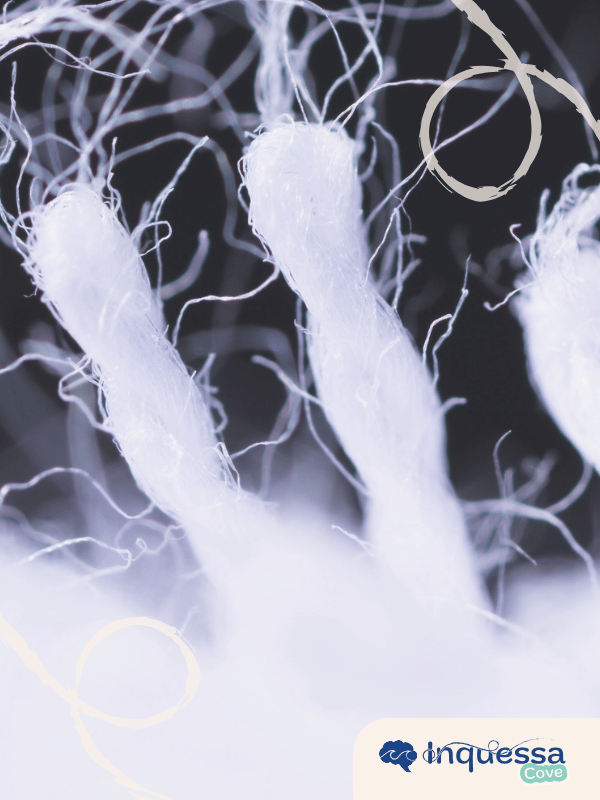
A synthetic shirt or fleece jacket may look unchanged after being worn, but its fabric can lose extremely small pieces over time. A microfiber is an extremely small fiber that can come loose from fabric. When the fabric is made from polyester, nylon, or another plastic-based material, these tiny fibers are also plastic.
Fiber shedding is the process of fibers breaking loose from a material. It can happen while clothing is worn, washed, or dried. Many of these fibers are much smaller than the lint people can easily see. Clothing made from synthetic materials can release tiny fibers during washing. Some polyester and nylon fleece clothing can release up to 1,900 fibers in one wash.
What Happens During Washing
Washing puts clothing in water while the fabric bends, rubs, and moves. During this process, some fibers can loosen and enter the wash water. This does not only happen to clothing that looks old or badly damaged. Synthetic fabrics can shed fibers during ordinary washing and use.
Once the fibers enter the water, they move away with the rest of the used wash water. Tiny synthetic fibers can travel through stormwater and wastewater systems. From there, some can reach freshwater or ocean environments. Washing is therefore one way plastic material can leave clothing and enter larger water systems.
Where Microfibers Can Travel
Wastewater is used water that carries waste or other unwanted material. Water from washing machines joins wastewater systems and can carry some of the fibers released from clothing.
One load of synthetic laundry can release up to 700,000 tiny plastic fibers into wastewater during washing. Some may eventually reach rivers and oceans. Fibers can also move in other ways connected to clothing use, including through air and household waste. Their tiny size makes them easier to spread than a large piece of discarded fabric.
Why Small Fibers Are Hard to Catch
Microfibers are difficult to manage partly because many are extremely small. A plastic bottle or wrapper can usually be seen and picked up. Tiny fibers may pass unnoticed because they are mixed into water, dust, or other materials.
Visible lint can show that fabric loses fibers, but microfiber pollution is not limited to what people can see. Once thousands of tiny fibers separate and spread, collecting them one by one becomes much harder. Their small size also makes preventing fiber loss different from cleaning up larger pieces of plastic.
Clothing Care and Design Questions
Fiber shedding raises questions about both how clothing is used and how it is made. Different fabrics, garments, and ways of caring for clothing may affect how fibers loosen over time. Manufacturers can also think about shedding when choosing materials and designing textiles.
The issue is not simply that people should stop wearing synthetic clothing. These materials can provide useful qualities such as strength, stretch, warmth, and durability. The challenge is that useful clothing can still release tiny plastic fibers during normal use. This helps show how plastic pollution can begin with clothing that may still look perfectly usable.
Tiny Fibers From Fabric
A synthetic shirt or fleece jacket may look unchanged after being worn, but its fabric can lose extremely small pieces over time. Very small fibers that can shed from synthetic clothing during wearing or washing are called microfibers. Because materials such as polyester and nylon are plastic-based, the fibers they release can become a form of plastic pollution.
Fiber shedding, the process of fibers breaking from fabric, can move tiny synthetic fibers into water and air. These fibers are often much smaller than the lint people can easily see.
Clothing made from synthetic materials such as polyester and nylon fleece can release up to 1,900 fibers in a single wash.
What Happens During Washing
Washing places fabric in water while clothing rubs, bends, and moves. During this process, some fibers can loosen from the fabric and enter the wash water. Shedding is not limited to clothing that looks old or badly damaged. Synthetic textiles can release fibers during ordinary washing and use.
Once loose fibers enter the water, they move away with the rest of the used wash water.
Synthetic fibers and fragments can travel toward freshwater and marine environments through stormwater and wastewater systems.
Washing therefore creates one pathway by which material from clothing can leave the garment and enter larger water systems.
Where Microfibers Can Travel
Wastewater, used water containing waste and pollutants, can transport microfibers into treatment systems and waterways. Water from washing machines joins wastewater systems, carrying some of the fibers released from clothing along with it.
A standard washing machine can release up to 700,000 microscopic plastic microfibers from one load of synthetic laundry into the wastewater system. Some may eventually reach rivers and oceans.
Fibers can also move through other pathways connected to clothing use, including air and household waste. Their small size makes them much easier to spread than a large piece of discarded fabric.
Why Small Fibers Are Hard to Catch
Microfibers are difficult to manage partly because many are extremely small. A plastic bottle or wrapper can usually be seen and picked up. Tiny fibers may pass unnoticed because they are mixed into water, dust, or other material.
Visible lint can show that fabric loses fibers, but microfiber pollution is not limited to what people can see. Once thousands of tiny fibers separate and spread, collecting them one by one becomes much harder.
Clothing Care and Design Questions
Fiber shedding raises questions about both how clothing is used and how it is made. Different fabrics, garments, and ways of caring for clothing may affect how fibers loosen over time. Manufacturers can also consider shedding when choosing materials and designing textiles.
The issue is not simply that people should stop wearing synthetic clothing. These materials are used because they can provide useful qualities such as strength, stretch, warmth, or durability. The challenge is that the same clothing can gradually release tiny plastic fibers during normal use. Understanding this pathway helps explain how plastic pollution can begin with an object that may still look perfectly usable.
Tiny Fibers From Fabric
A synthetic shirt or fleece jacket may look unchanged after being worn, but its fabric can lose extremely small pieces over time. Extremely small fibers that can shed from synthetic fabrics are called microfibers. Because materials such as polyester and nylon are plastic-based, the fibers they release can become a form of plastic pollution.
Fiber shedding, the process of fibers breaking loose from a material, can occur while textiles are worn, washed, or dried. These fibers are often much smaller than the lint people can easily see. Garments made from synthetic materials such as polyester and nylon fleece can release up to 1,900 fibers in a single wash.
What Happens During Washing
Washing places fabric in water while clothing rubs, bends, and moves. During this process, some fibers can loosen from the fabric and enter the wash water. Shedding is not limited to clothing that looks old or badly damaged. Synthetic textiles can release fibers as part of ordinary washing and use.
Once loose fibers enter the water, they move away with the rest of the used wash water. Synthetic fibers and fragments can be transported toward freshwater and marine environments through stormwater and wastewater systems. Washing therefore creates one pathway by which material from clothing can leave the garment and enter larger water systems.
Where Microfibers Can Travel
Used water carrying waste or other unwanted substances is called wastewater. Water from washing machines joins wastewater systems, carrying some of the fibers released from clothing along with it.
A standard washing machine can discharge up to 700,000 microscopic plastic microfibers from a load of synthetic laundry into the wastewater system, where some may eventually reach rivers and oceans. Fibers can also move through other pathways connected to clothing use, including air and household waste. Their small size makes them much easier to spread than a large piece of discarded fabric.
Why Small Fibers Are Hard to Catch
Microfibers are difficult to manage partly because many are extremely small. A plastic bottle or wrapper can usually be seen and picked up. Tiny fibers may pass unnoticed because they are mixed into water, dust, or other material.
Visible lint can show that fabric loses fibers, but microfiber pollution is not limited to what people can see. Once thousands of tiny fibers separate and spread, collecting them individually becomes much harder. Their size also means that preventing fibers from leaving fabric can be different from cleaning up larger plastic waste after it has escaped.
Clothing Care and Design Questions
Fiber shedding raises questions about both how clothing is used and how it is made. Different fabrics, garments, and ways of caring for clothing may affect how fibers loosen over time. Manufacturers can also consider shedding when choosing materials and designing textiles.
The issue is not simply that people should stop wearing synthetic clothing. These materials are used because they can provide useful qualities such as strength, stretch, warmth, or durability. The challenge is that the same clothing can gradually release tiny plastic fibers during normal use. Understanding that pathway helps explain how plastic pollution can begin with an object that may still look perfectly usable.
Tiny Fibers From Fabric
A synthetic shirt or fleece jacket may look unchanged after being worn, but its fabric can lose extremely small pieces over time. Very small fibers that can be released from synthetic textiles during wear or washing are called microfibers. Because materials such as polyester and nylon are plastic-based, the fibers they release can become a form of plastic pollution.
Fiber shedding is the process of fibers breaking loose from a material. It can happen while textiles are worn, washed, or dried, and many of the released fibers are much smaller than the lint people can easily see. Garments made from synthetic materials such as polyester and nylon fleece can release up to 1,900 fibers during a single wash.
What Happens During Washing
Washing places fabric in water while clothing rubs, bends, and moves. During this process, some fibers can loosen and enter the wash water. Shedding is not limited to clothing that looks old or badly damaged. Synthetic textiles can release fibers during ordinary washing and use.
Once those fibers are loose, they move away with the used water. Synthetic fibers and fragments can travel through stormwater and wastewater systems toward rivers, lakes, and marine environments. Washing therefore creates one pathway by which material can leave a garment and enter much larger water systems.
Where Microfibers Can Travel
Wastewater is used water that contains waste or other unwanted substances. Water leaving a washing machine enters wastewater systems and can carry some of the fibers released from clothing along with it.
A standard washing machine can release up to 700,000 microscopic plastic microfibers from one load of synthetic laundry into the wastewater system. Some of these fibers may eventually reach rivers and oceans. Fibers can also move through other pathways connected with clothing use, including air and household waste. Because they are so small, they can spread much more easily than a large piece of discarded fabric.
Why Small Fibers Are Hard to Catch
Microfibers are difficult to manage partly because many are extremely small. A plastic bottle or wrapper can usually be seen and picked up, while tiny fibers may pass unnoticed because they are mixed into water, dust, or other material.
Visible lint shows that fabrics can lose fibers, but microfiber pollution is not limited to what people can see. Once thousands of tiny fibers separate and spread, collecting them one by one becomes much harder. Preventing them from leaving fabric can therefore be a different challenge from cleaning up larger pieces of plastic after they escape.
Clothing Care and Design Questions
Fiber shedding raises questions about both how clothing is used and how it is made. Different fabrics, garment designs, and ways of caring for clothing may affect how readily fibers loosen over time. Manufacturers can also consider shedding when choosing materials and designing textiles.
The issue is not simply that people should stop wearing synthetic clothing. These materials are used because they can provide useful qualities such as strength, stretch, warmth, and durability. The challenge is that the same clothing can gradually release tiny plastic fibers during normal use, even while the garment itself still looks completely usable.
Key Vocabulary
synthetic textile (noun) Fabric made from manufactured fibers such as polyester or nylon. (manufactured fabric, synthetic fabric)
lint (noun) Small visible fibers and fluff that come loose from fabric. (fluff, loose fibers)
fragment (noun) A small piece that has broken away from something larger. (piece, broken bit)
stormwater (noun) ️ Rainwater that flows across streets, roofs, and other surfaces into drains or waterways. (rain runoff, drainage water)
discharge (verb) To release or send out water or another material. (release, let out)
treatment system (noun) ⚙️ A system that cleans or processes wastewater before it is released or reused. (water-treatment system, processing system)
microscopic (adjective) So small that it is difficult or impossible to see without magnification. (extremely tiny, invisible to the eye)
pathway (noun) ️ A route through which something moves from one place or system to another. (route, course)
garment construction (noun) The way a piece of clothing is put together, including its fabric, stitching, and structure. (clothing design, fabric construction)
release (verb) ️ To allow something to leave or separate from where it was held. (let go, emit)
