Can Ocean Cleanups Fix the Problem?
About this Article
Lines of Inquiry
- Different roles for cleanup, prevention, and upstream waste reduction.
- The importance of where and when action happens in the plastic-pollution pathway.
- Connections among several solutions when no single approach is enough.
Guiding Questions
- Why can ocean cleanup help without being able to solve the entire plastic problem?
- How does stopping plastic in a river differ from collecting it after it reaches open ocean water?
- Why might a combination of product changes, waste systems, river action, and cleanup be stronger than relying on one invention?
Can Ocean Cleanups Fix the Problem?
What Ocean Cleanups Can Do
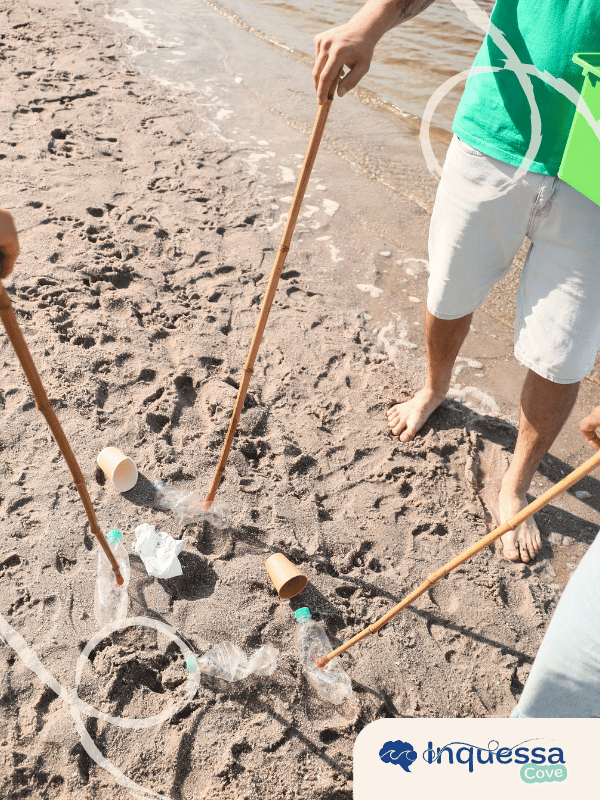
Once plastic reaches the ocean, removing some of it can still help. A cleanup removes plastic after it has entered a beach, river, ocean, or other environment.
Cleanup teams can collect larger debris from places where plastic gathers. This may reduce the amount moving through marine habitats or washing onto shorelines. But cleanup begins after plastic has already escaped into nature.
Why Cleanup Is Difficult
The ocean is always moving. Currents, wind, and waves spread plastic over large areas.
Garbage patches are broad, spread-out areas formed by rotating ocean currents called gyres, with plastic scattered across the surface and through the water. They are not solid islands of trash. Because the plastic is spread out, a cleanup cannot simply scoop up one giant pile.
Stopping Plastic Before It Reaches the Sea
Prevention means stopping pollution before it enters the environment. Better waste collection, product changes, and systems that keep rubbish out of waterways can all help.
Some organizations work on both ocean cleanup and river interception, stopping plastic in rivers or waterways before it can flow into the sea. Acting earlier can keep plastic from spreading across a much larger area.
Rivers and Coasts as Key Places
Rivers and coasts connect land-based waste with the ocean. Plastic in a river may move downstream. Plastic near a coast may be carried into the sea.
Removing plastic in these places can clean up existing pollution. It can also stop some debris before it reaches open ocean water.
Cleanup and Prevention Together
Cleanup and prevention work at different stages. Cleanup deals with pollution that already exists. Prevention tries to stop new pollution.
Upstream waste reduction means reducing waste earlier in a system, before it reaches disposal sites or the environment. This can include using less unnecessary material, improving product design, or strengthening waste collection.
A Problem Bigger Than One Solution
Ocean cleanup can make a real difference in some places, but it cannot solve the entire plastic problem by itself.
Product design, waste collection, river action, cleanup, and prevention all work at different points. The useful question is not cleanup or prevention. It is how several approaches can work together.
What Ocean Cleanups Can Do
Once plastic has reached the ocean, removing some of it can still help. Cleanup removes plastic after pollution has occurred, while prevention works earlier to stop it entering waterways or the ocean.
Cleanup efforts can collect larger debris from places where plastic has gathered. Removing this material may reduce the amount of waste moving through marine environments or washing onto shorelines. However, cleanup begins after plastic has already escaped into nature. It can deal with existing pollution, but it does not stop new plastic from entering the water.
Why Cleanup Is Difficult
The ocean is always moving, and so is the plastic within it. Currents carry debris across large areas, while wind and waves move plastic through the water.
Garbage patches are broad, spread-out areas formed by rotating ocean currents called gyres. Plastic is scattered across the surface and through the water. Without one concentrated pile to target, even a large cleanup operation cannot simply scoop up all the plastic in the area.
Stopping Plastic Before It Reaches the Sea
Prevention works before plastic reaches rivers, beaches, or oceans, while cleanup responds after pollution has already occurred.
This can happen through better waste collection, changes in product design, or systems that keep rubbish from escaping into waterways. Some organizations work on both ocean cleanup and stopping plastic in rivers or waterways before it can reach the sea. Acting earlier can keep plastic from spreading across a much larger area.
Rivers and Coasts as Key Places
Rivers and coasts can be important places to act because they connect land-based waste with the ocean. Plastic that enters a river may travel downstream, while debris near a coastline can be carried into the water.
Removing plastic in these areas can help after pollution has already occurred, but these places can also interrupt the journey before plastic reaches open water. A piece caught in a river or removed from a coast does not have to be searched for later across a much larger ocean area.
Cleanup and Prevention Together
Cleanup and prevention address different parts of the same problem. Cleanup removes pollution that already exists, while prevention tries to reduce how much new plastic enters the environment.
Instead of relying only on cleanup after pollution occurs, communities can prevent waste earlier through product design, reduced use, better collection, or stronger waste systems. This approach is called upstream waste reduction.
Together, these approaches can address both the plastic already present and the flow of new waste entering rivers and oceans.
A Problem Bigger Than One Solution
Ocean cleanup can make a real difference in particular places, but it cannot solve the entire plastic problem by itself. Plastic pollution develops through many stages, including product design, use, collection, disposal, and movement into waterways.
That means no single machine or invention can fix every part of the system. Cleanup, river action, stronger waste systems, product changes, and prevention each work at different points. The most useful response is not choosing cleanup or prevention, but understanding how several approaches can work together.
What Ocean Cleanups Can Do
Once plastic has reached the ocean, removing some of it can still help. Cleanup removes plastic after it has entered a beach, river, ocean, or other environment, while prevention works earlier to stop the pollution.
Cleanup efforts can collect larger debris from places where plastic has gathered. Removing this material may reduce the amount of waste moving through marine environments or washing onto shorelines. However, cleanup begins after plastic has already escaped into nature. It can deal with existing pollution, but it does not stop new plastic from entering the water.
Why Cleanup Is Difficult
The ocean is constantly in motion, and so is the plastic within it. Currents carry debris across large areas, while wind and waves move plastic through the water.
Because of this, garbage patches are not solid islands of trash. They are broad, spread-out areas formed by rotating ocean currents called gyres, with plastic scattered across the surface and through the water. Without one concentrated pile to target, even a large cleanup operation cannot simply scoop up all the plastic in the area.
Stopping Plastic Before It Reaches the Sea
Another approach is to act before plastic reaches the ocean. Prevention works to stop plastic from entering rivers, beaches, or oceans, while cleanup responds after plastic pollution has already occurred.
This can happen through better waste collection, changes in product design, or systems that keep rubbish from escaping into waterways. Some organizations work on both ocean cleanup and river interception, stopping plastic in rivers or waterways before it can flow into the sea. Acting earlier can keep plastic from spreading across a much larger area.
Rivers and Coasts as Key Places
Rivers and coasts can be important places to act because they connect land-based waste with the ocean. Plastic that enters a river may travel downstream, while debris near a coastline can be carried into the water.
Removing plastic in these areas can help after pollution has already occurred, but these places can also interrupt the journey before plastic reaches open water. A piece caught in a river or removed from a coast does not have to be searched for later across a much larger ocean area.
Cleanup and Prevention Together
Cleanup and prevention address different parts of the same problem. Cleanup removes pollution that already exists, while prevention tries to reduce how much new plastic enters the environment.
A method of preventing waste earlier in a system before it reaches disposal sites or the environment is called upstream waste reduction. This can include using less unnecessary material, improving product design, strengthening waste collection, or reducing places where plastic can escape.
Together, these approaches can address both the plastic already present and the flow of new waste entering rivers and oceans.
A Problem Bigger Than One Solution
Ocean cleanup can make a real difference in particular places, but it cannot solve the entire plastic problem by itself. Plastic pollution develops through many stages, including product design, use, collection, disposal, and leakage into waterways.
That means no single machine or invention can fix every part of the system. Cleanup, river action, stronger waste systems, product changes, and prevention each work at different points. The most useful response is not choosing cleanup or prevention, but understanding how several approaches can work together.
What Ocean Cleanups Can Do
Once plastic has reached the ocean, removing some of it can still help. Cleanup removes plastic after it has already entered a beach, river, ocean, or other environment, while prevention works earlier by stopping plastic from entering the environment in the first place.
Cleanup efforts can collect larger debris from places where plastic has gathered. Removing this material may reduce the amount of waste moving through marine environments or washing onto shorelines. However, cleanup begins after plastic has already escaped into nature. It can address existing pollution, but it does not stop new plastic from entering the water.
Why Cleanup Is Difficult
The ocean is constantly in motion, and so is the plastic within it. Currents carry debris across large areas, while wind and waves move plastic across the surface and through the water.
Garbage patches are broad, spread-out areas formed by rotating ocean currents called gyres, with plastic scattered across the surface and throughout the water. Because these patches are not solid islands of trash, there is no single concentrated pile for a cleanup operation to target. Even a large cleanup effort therefore cannot simply scoop up all the plastic in the area.
Stopping Plastic Before It Reaches the Sea
Another approach is to act before plastic reaches the ocean. Prevention works to stop plastic from entering rivers, beaches, or oceans, whereas cleanup responds after plastic pollution has already occurred.
This can happen through better waste collection, changes in product design, or systems that keep rubbish from escaping into waterways. Some organizations combine ocean cleanup with river interception, stopping plastic in rivers or other waterways before it can flow into the sea. Acting earlier can prevent plastic from spreading across a much larger area.
Rivers and Coasts as Key Places
Rivers and coasts can be important places to act because they connect land-based waste with the ocean. Plastic that enters a river may travel downstream, while debris near a coastline can be carried into the water.
Removing plastic in these areas can help after pollution has already occurred; however, these places can also interrupt the journey before plastic reaches open water. A piece caught in a river or removed from a coast does not have to be searched for later across a much larger ocean area.
Cleanup and Prevention Together
Cleanup and prevention address different parts of the same problem. Cleanup removes pollution that already exists, while prevention tries to reduce how much new plastic enters the environment.
Upstream waste reduction means reducing waste earlier in a system before it reaches disposal sites or the environment. This can include using less unnecessary material, improving product design, strengthening waste collection, or reducing places where plastic can escape.
Together, these approaches can address both the plastic already present and the flow of new waste entering rivers and oceans.
A Problem Bigger Than One Solution
Ocean cleanup can make a real difference in particular places, but it cannot solve the entire plastic problem by itself. Plastic pollution develops through many stages, including product design, use, collection, disposal, and leakage into waterways.
Therefore, no single machine or invention can fix every part of the system. Cleanup, river action, stronger waste systems, product changes, and prevention each work at different points. The most useful response is not choosing cleanup or prevention, but understanding how several approaches can work together.
Key Vocabulary
interception (noun) The act of stopping something before it reaches its next destination. (stopping, blocking)
shoreline (noun) ️ The place where land meets the edge of a body of water. (coastline, water’s edge)
current (noun) A steady movement of water in a particular direction. (water flow, movement)
gyre (noun) A large system of rotating ocean currents. (current system, ocean circulation)
concentrated (adjective) Gathered closely together in one place. (clustered, dense)
land-based waste (noun) ️ Waste that begins on land before it may move into rivers, coasts, or oceans. (land waste, shore-based waste)
downstream (adverb/adjective) ⬇️ In the direction a river flows. (with the current, farther along the river)
coastline (noun) The edge of land beside the sea or ocean. (coast, shoreline)
product design (noun) ️ The planning of how a product is made, used, and performs its job. (design, product planning)
waste collection (noun) The organized gathering of rubbish or recyclable material. (rubbish collection, pickup system)
waste system (noun) ️ The connected services and facilities used to collect, move, process, or dispose of waste. (waste-management system, rubbish system)
open water (noun) A broad area of water away from the shore. (open sea, offshore water)
existing pollution (noun) ♻️ Pollution that is already present in an environment. (current pollution, pollution already there)
