
Burned or Buried: Where Some Plastic Goes
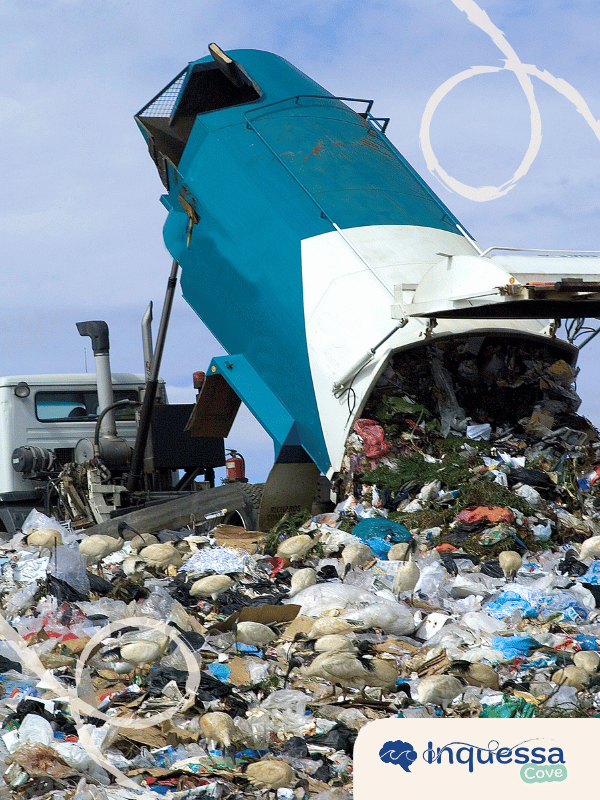
About this Article
Lines of Inquiry
- The different functions of landfills and incinerators within waste systems.
- Changes in plastic’s future as a material when it is buried or burned.
- Reasons communities may rely on different disposal pathways depending on land, infrastructure, cost, and local systems.
Guiding Questions
- What problem does a landfill solve differently from an incinerator?
- Why does capturing energy from burning plastic not mean the plastic itself has been recovered?
- How could available land or existing infrastructure influence a community’s disposal choices?
Burned or Buried: Where Some Plastic Goes
When Plastic Is Disposed Of
Once plastic is thrown away, it does not always enter recycling. Disposal is the final handling of waste when it is no longer being reused or recovered as material.
Two common disposal pathways are burial in landfills and burning in incinerators. In 2018, the United States generated about 35.7 million tons of plastic in its municipal waste system. About 27 million tons went to landfills, 5.6 million tons were burned with energy recovery, and 3.1 million tons were recycled.
Plastic in Landfills
A sanitary landfill is a managed place designed to contain waste and limit pollution. It is different from an uncontrolled dump where waste may be left without protective systems.
In 2019, almost half of global plastic waste went to sanitary landfills, and about 19% was incinerated. Plastic in a landfill can crack into smaller pieces, but those pieces are still plastic.
Modern landfills use liners and collection systems to control leachate, polluted liquid that can form when water moves through waste.
Plastic Sent to Incinerators
An incinerator is a system that burns waste at very high temperatures. Burning reduces the amount of solid waste, although ash remains.
Energy recovery means capturing some energy released during burning and using it to make heat or electricity. In the U.S. comparison above, 5.6 million tons of plastic were burned this way in 2018.
Burning plastic also produces gases that must be controlled, and the plastic material cannot be recycled afterward.
Why Places Choose Different Systems
Landfills and incinerators need different infrastructure. A landfill needs land and space. An incinerator needs an expensive facility and systems to control gases and ash.
Existing facilities, costs, local rules, land availability, and recycling options help determine which pathway a community uses.
The Limits of Burning and Burying
Both pathways give communities a place to manage large amounts of waste, but both have costs. Landfills use land and must control polluted liquid. Incinerators use energy and must control emissions and ash.
There is another shared limit. Once plastic is buried or burned, that material is no longer circulating as a useful resource. New material may be needed to replace it.
When Plastic Is Disposed Of
Once plastic is thrown away, it does not always enter a recycling system. Disposal is the final handling of waste when it is not being reused or recovered as a material. Unlike reuse or recycling, disposal usually removes a material from further use. Plastic disposal may mean landfill or incineration when recycling is not possible, available, or chosen by the waste system.
In 2018, the U.S. municipal waste system generated about 35.7 million tons of plastic. A municipal waste system handles everyday discarded materials from homes, businesses, and similar places. Of that total, about 3.1 million tons were recycled. Most followed other waste pathways.
Plastic in Landfills
Landfill is a major destination for plastic around the world. An uncontrolled dumpsite is a place where waste may be left or buried without systems designed to contain it safely. A sanitary landfill is a managed site designed to contain waste and limit pollution.
In 2019, almost half of global plastic waste went to sanitary landfills. Of the 35.7 million tons of plastic generated in the U.S. municipal waste system in 2018, about 27 million tons went to landfills. In other words, about three-fourths of that plastic waste was buried rather than recycled.
Plastic sent to a landfill is placed with other waste, such as food scraps, paper, packaging, and discarded household items. Some natural materials slowly decompose as microorganisms break them down. Plastic behaves differently. It may crack and break into smaller pieces, but those pieces are still plastic.
Landfills also have practical limits. They require land, and every new load of waste takes up more space. Water moving through buried waste can pick up substances and form contaminated liquid called leachate. Modern sanitary landfills use liners and collection systems to help keep leachate from reaching nearby soil or groundwater.
Plastic Sent to Incinerators
Incineration is another major pathway for discarded plastic. An incinerator, a system that burns waste at high heat, is one pathway for plastic waste. Burning greatly reduces the amount of solid material that must be stored afterward, although ash remains and still needs to be handled.
In 2019, about 19 percent of plastic waste worldwide was incinerated. In 2018, about 5.6 million tons of plastic in the U.S. municipal waste system were burned with energy recovery. That was much less than the 27 million tons sent to landfills, but more than the amount recycled.
Energy recovery uses waste to produce heat or electricity instead of simply disposing of it. Some incinerators generate electricity, while others can provide heat for nearby buildings or facilities.
Incineration has limits too. Burning plastic produces gases that must be controlled, and the process leaves ash that still needs to be managed. Once plastic has been burned, its material is gone and cannot later be recycled into another plastic product.
Why Places Choose Different Systems
Landfill and incineration require very different kinds of infrastructure. A landfill needs suitable land and space for waste to keep arriving over many years. An incinerator needs an expensive facility that can burn waste safely and control the gases and ash it produces.
These differences help explain why waste systems do not look the same everywhere. Places with limited landfill space may rely more on incineration. Other communities may have large landfill capacity but few incinerators. Existing facilities, costs, local rules, and recycling options all help determine which pathway is used.
The same kind of discarded plastic can therefore be buried in one community and burned in another because the waste systems around it are different.
The Limits of Burning and Burying
Both pathways solve an immediate problem by giving communities somewhere to put large amounts of discarded plastic. But both also create environmental costs.
Landfills take up land and must control polluted liquid formed as water passes through waste. Incinerators need systems to control gases and ash, and burning plastic releases greenhouse gases. Plastic waste management also uses energy and resources.
There is another limit shared by both pathways. Once plastic is buried or burned, that material is no longer available to make another product. If another plastic item is needed, new material must be produced to replace it.
Burning and burying can manage waste, but they do not keep plastic material circulating. The environmental cost therefore comes not only from disposal itself, but also from replacing resources that have been taken out of use.
When Plastic Is Disposed Of
Once plastic is thrown away, it does not always enter a recycling system. Disposal is the final handling of waste when it is no longer being reused or recovered as a material. Two common disposal pathways for plastic are burial in landfills and burning in incinerators.
In 2018, the United States generated about 35.7 million tons of plastic in its municipal waste system. A municipal waste system handles everyday discarded materials from homes, businesses, and similar sources. Of that 35.7 million tons, only about 3.1 million tons of plastic were recycled. Most followed other waste pathways.
Plastic in Landfills
Landfill is a major destination for plastic around the world. An uncontrolled dumpsite is a place where waste may simply be left or buried without the systems used to contain it safely. A sanitary landfill is a managed site designed to contain waste and limit pollution. In 2019, almost half of global plastic waste went to sanitary landfills. Of the 35.7 million tons of plastic generated in the U.S. municipal waste system in 2018, about 27 million tons went to landfills. In other words, about three-fourths of that plastic waste was buried rather than recycled.
Plastic sent to a landfill is placed with other waste, such as food scraps, paper, packaging, and discarded household items. Some natural materials can slowly decompose as microorganisms break them down. Plastic behaves differently. It may crack and fragment into smaller pieces, but those pieces are still plastic rather than becoming part of the soil.
Landfills also have practical limits. They require land, and every new load of waste takes up more space. Water moving through buried waste can pick up substances and form contaminated liquid called leachate. Modern sanitary landfills use liners and collection systems to keep leachate from reaching nearby soil or groundwater.
Plastic Sent to Incinerators
Incineration is another major pathway for discarded plastic. An incinerator is a system that burns waste at very high temperatures. Burning greatly reduces the amount of solid material that must be stored afterward, although ash remains and still needs to be handled.
In 2019, about 19% of plastic waste worldwide was incinerated. In 2018, about 5.6 million tons of plastic in the U.S. municipal waste system were burned with energy recovery. That was far less than the 27 million tons sent to landfills, but more than the amount recycled.
Energy recovery means capturing some of the energy released during burning and using it to produce useful heat or electricity. Some incinerators generate electricity, while others can provide heat for nearby buildings or facilities.
Incineration has limits too. Burning plastic produces gases that must be controlled, and the process leaves ash that must still be managed. Once the plastic has been burned, its material is also gone and cannot later be recycled into another plastic product.
Why Places Choose Different Systems
Landfill and incineration require very different kinds of infrastructure. A landfill needs suitable land and space for waste to continue arriving over many years. An incinerator needs an expensive facility that can burn waste safely and control the gases and ash produced.
Those differences help explain why waste systems do not look the same everywhere. Places with limited landfill space may rely more heavily on incineration. Other communities may have large landfill capacity but few incinerators. Existing facilities, costs, local rules, and recycling options all help determine which pathway is used.
The same kind of discarded plastic can therefore be buried in one community and burned in another because the waste systems around it are different.
The Limits of Burning and Burying
Both pathways solve an immediate problem by giving communities somewhere to put large amounts of discarded plastic. But both also create environmental costs.
Landfills take up land and must control polluted liquid produced as water passes through waste. Incinerators require systems to control gases and ash, and burning plastic releases greenhouse gases. Plastic waste management itself uses energy and resources as well.
There is another limit shared by both pathways. Once plastic is buried or burned, that material is no longer available to make another product. If another plastic item is needed, new material must be produced to replace it. Producing new fossil-based plastic requires raw resources and energy and creates additional greenhouse-gas emissions.
Burning and burying can manage waste, but they do not keep plastic material circulating. The environmental cost therefore comes not only from disposal itself, but also from replacing the resources that have been taken out of use.
When Plastic Is Disposed Of
Once plastic is thrown away, it does not always enter a recycling system. Disposal is the final handling of waste when it is no longer being reused or recovered as a material. Two common disposal pathways for plastic are burial in landfills and burning in incinerators.
In 2018, the United States generated about 35.7 million tons of plastic in its municipal waste system. A municipal waste system handles everyday discarded materials from homes, businesses, and similar sources. Of that total, only about 3.1 million tons of plastic were recycled. Most of the plastic therefore followed other waste pathways.
Plastic in Landfills
Landfill is a major destination for plastic around the world. An uncontrolled dumpsite is a place where waste may simply be left or buried without the systems used to contain it safely. A sanitary landfill is different because it is a managed site designed to contain waste and limit pollution. In 2019, almost half of global plastic waste went to sanitary landfills. In 2018, the U.S. municipal waste system generated about 35.7 million tons of plastic, and about 27 million tons of it went to landfills. In other words, about three-fourths of that plastic waste was buried rather than recycled.
Plastic sent to a landfill is placed with other waste, such as food scraps, paper, packaging, and discarded household items. Some natural materials can slowly decompose as microorganisms break them down. Plastic behaves differently. It may crack and fragment into smaller pieces, but those pieces remain plastic rather than becoming part of the soil.
Landfills also have practical limits. They require land, and every new load of waste takes up more space. Water moving through buried waste can pick up substances and form a contaminated liquid called leachate. Modern sanitary landfills therefore use liners and collection systems to help keep leachate from reaching nearby soil or groundwater.
Plastic Sent to Incinerators
Incineration is another major pathway for discarded plastic. An incinerator is a system that burns waste at very high temperatures. Burning greatly reduces the amount of solid material that must be stored afterward, although ash remains and still needs to be handled.
In 2019, about 19 percent of plastic waste worldwide was incinerated. In 2018, about 5.6 million tons of plastic in the U.S. municipal waste system were burned with energy recovery, meaning some of the energy from burning was captured for useful heat or electricity. That was far less than the 27 million tons sent to landfills, but more than the amount recycled.
Energy recovery means capturing some of the energy released when waste is burned and using it to produce heat or electricity. Some incinerators generate electricity, while others can provide heat for nearby buildings or facilities.
Incineration has limits too. Burning plastic produces gases that must be controlled, and the process leaves ash that still has to be managed. Once plastic has been burned, however, the material itself is gone and cannot later be recycled into another plastic product.
Why Places Choose Different Systems
Landfills and incinerators require very different kinds of infrastructure. A landfill needs suitable land and enough space for waste to continue arriving over many years. An incinerator requires an expensive facility that can burn waste safely while controlling the gases and ash it produces.
These differences help explain why waste systems do not look the same everywhere. Places with limited landfill space may rely more heavily on incineration, while other communities may have large landfill capacity but few incinerators. Existing facilities, costs, local rules, and recycling options all influence which pathway is used.
The same kind of discarded plastic can therefore be buried in one community and burned in another because the waste systems around it are different.
The Limits of Burning and Burying
Both pathways solve an immediate problem by giving communities somewhere to put large amounts of discarded plastic. However, both also create environmental costs.
Landfills take up land and must control polluted liquid produced as water passes through waste. Incinerators require systems to control gases and ash, and burning plastic releases greenhouse gases. Plastic waste management itself also uses energy and resources.
Both pathways share another limit. Once plastic is buried or burned, that material is no longer available to make another product. If another plastic item is needed, new material must be produced to replace it. Producing new fossil-based plastic requires raw resources and energy and creates additional greenhouse-gas emissions.
Burning and burying can manage waste, but they do not keep plastic material circulating. The environmental cost therefore comes not only from disposal itself, but also from replacing the resources that have been taken out of use.
Key Vocabulary
municipal waste (noun) ️ Everyday waste collected from homes, businesses, and similar places. (community waste, household-type waste)
sanitary landfill (noun) ️ A managed landfill designed to contain waste and limit pollution. (engineered landfill, managed landfill)
uncontrolled dumpsite (noun) ⚠️ A place where waste is left without the protective systems used in a sanitary landfill. (open dump, unmanaged dump)
leachate (noun) Polluted liquid that can form when water moves through buried waste. (contaminated liquid, landfill liquid)
liner (noun) ️ A protective layer used to help stop leachate from reaching surrounding soil or groundwater. (barrier layer, protective lining)
ash (noun) Solid material left after waste has been burned. (burning residue, remains)
emissions (noun) ️ Gases or particles released into the air during processes such as burning. (air releases, pollutants)
capacity (noun) The amount a facility or system can hold or manage. (limit, available space)
municipal waste system (noun) The organized system that handles everyday discarded materials from homes, businesses, and similar places. (community waste system, local waste network)
decompose (verb) To break down naturally through biological or chemical processes. (decay, break down)
microorganism (noun) A living organism too small to see without magnification. (microbe, tiny organism)
groundwater (noun) Water stored underground in soil and rock. (underground water)
greenhouse gas (noun) A gas that traps heat in Earth’s atmosphere. (heat-trapping gas, climate gas)
circulating material (noun) Material that remains available for reuse, recycling, or making new products instead of being permanently disposed of. (material in use, recoverable resource)
