
Before Plastic: Glass, Metal, Wood, Paper, and Cloth
About this Article
Lines of Inquiry
- How people used different materials before modern plastics became common.
- How the properties of materials affect which jobs they are suited to do.
- How material choices and technologies changed over time.
Guiding Questions
- Why did people use different materials for different purposes before modern plastic existed?
- How do qualities such as strength, weight, flexibility, and resistance to water affect material choices?
- How did new ways of working with materials, such as treating rubber, expand what those materials could do?
Before Plastic: Glass, Metal, Wood, Paper, and Cloth
Materials From Plants and Animals
Long before modern plastic became common, people made everyday objects from many different materials.
A material is something used to make other things, such as wood, glass, metal, or plastic.
Different materials are useful for different jobs. Wood can be used for furniture and tools. Glass can hold liquids. Metal can make strong pots and tools. Cloth can bend and fold into clothing and bags.
A natural material comes from plants, animals, or Earth. Wood, leather, clay, plant fibers, and natural rubber are examples.
Wood, Metal, and Glass
Wood, metal, and glass each had useful qualities.
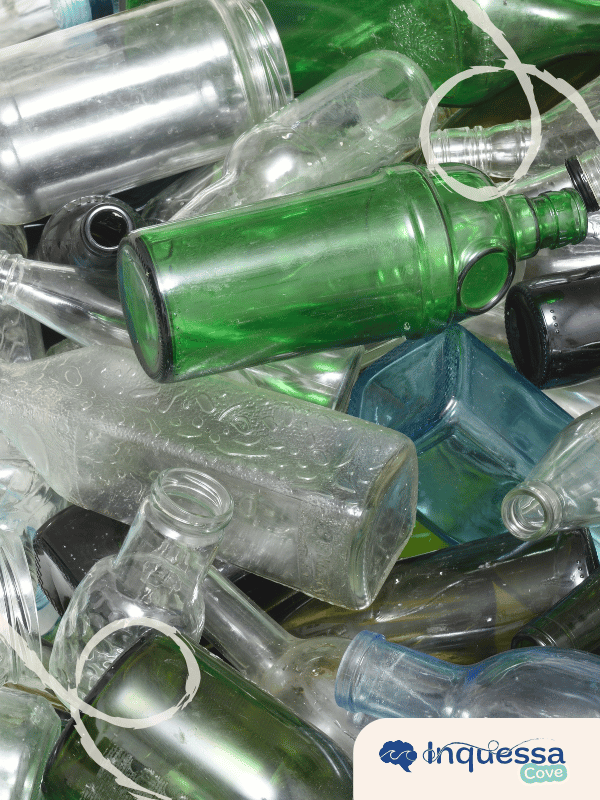
Wood could be carved into containers, furniture, toys, and tools. Metal was useful when strength mattered. Glass could hold food and liquids without soaking them up.
People were making glass about 4,000 years ago in Mesopotamia. Early glassmakers heated mixtures that included sand to make glass for decorations and small containers.
These materials also had limits. Glass could break. Metal could be heavy. Wood could absorb water or wear down.
Paper, Cloth, and Natural Fibers
Paper and cloth gave people lighter and more flexible choices.
Paper could be used for bags, boxes, and wrapping. Cloth could become clothing, sacks, covers, and containers.
A natural fiber, a fiber from plants or animals, can be made into cloth. Cotton, wool, and flax are examples.
Natural fibers could also be used for ropes, baskets, and bags. But these materials could tear, get wet, or wear out.
Natural Rubber and Other Flexible Materials
Natural rubber gave people another useful quality. It could stretch, bend, and bounce.
Archaeologists in Mexico have found rubber balls made about 3,700 years ago. They are some of the oldest known rubber objects ever found.
People in Mesoamerica were using rubber thousands of years before modern plastic appeared.
When Spanish conquerors arrived in Mexico in 1519, rubber was unknown in Europe. They saw people playing a Mesoamerican ballgame with bouncing rubber balls, something they had never seen before.
Later, Europeans studied rubber and found more uses for it. By the 1700s, they knew rubber could erase pencil marks and help keep water out.
In 1839, Charles Goodyear found a way to treat rubber so it stayed stronger in hot and cold weather. This process is called vulcanization. It helped make rubber useful for products such as tires.
Why Earlier Materials Had Limits
Before plastic, people already had many materials to choose from.
Glass could hold liquids but could break. Metal could be strong but heavy. Cloth and paper were flexible but could get wet or damaged. Wood was useful for many jobs but not every job.
These materials were not simply better or worse than plastic. Each had useful qualities and limits.
Modern plastic entered a world where people already had many ways to make, carry, protect, and store things.
Materials From Plants and Animals
Long before modern plastic became common, people made everyday objects from many different substances. A substance used to make an object or product is a material. Wood can be used for furniture, bowls, and tool handles. Glass can hold liquids, metal can make strong tools and pots, and cloth can bend and fold into clothing and bags.
Many early materials came directly from the natural world. Materials can be natural or manufactured. A natural material comes from plants, animals, or Earth rather than being created mainly through manufacturing. Wood, leather, plant fibers, clay, and natural rubber all gave people ways to make useful objects before synthetic plastics existed.
Wood, Metal, and Glass
Wood, metal, and glass could each solve different everyday problems. Wood could be carved into containers, furniture, toys, and tools. Metal was useful when strength mattered, while glass could hold food and liquids without soaking them up.
People were making glass about 4,000 years ago in Mesopotamia. Early glassmakers heated mixtures that included sand to create glass for decorations and small containers. Over time, glass also became useful for bottles and jars. These materials worked well for many jobs, but each had limits. Glass could break, metal could be heavy, and wood could absorb water or wear down.
Paper, Cloth, and Natural Fibers
Paper and cloth gave people lighter and more flexible choices. Paper could be used for bags, boxes, and wrapping, while cloth could become clothing, sacks, covers, and containers.
A natural fiber, a fiber from plants or animals, can be used to make clothing and other textiles. Cotton, wool, flax, and other fibers could be spun or woven into useful materials. Plant fibers could also be used for baskets, ropes, or bags. These materials could bend and fold, but they could also tear, absorb moisture, or wear out.
Natural Rubber and Other Flexible Materials
Natural rubber gave people another useful quality: flexibility. It comes from certain plants and can stretch, bend, and bounce.
Archaeologists in Mexico have found rubber balls made about 3,700 years ago. They are some of the oldest known rubber objects ever discovered. People in Mesoamerica were using rubber thousands of years before modern plastics appeared.
When Spanish conquerors arrived in Mexico in 1519, rubber was unknown in Europe. They saw people playing a Mesoamerican ballgame with bouncing rubber balls, something they had never seen before. Europeans later studied rubber and tried new uses for it. By the 1700s, they knew rubber could erase pencil marks and help keep water out.
In 1839, Charles Goodyear found a way to treat rubber so it stayed stronger and more useful in hot and cold weather. This process is called vulcanization. It helped make rubber practical for products such as tires. Decades later, the Goodyear Tire & Rubber Company was named after him.
Why Earlier Materials Had Limits
Before plastic, people already had many materials to choose from. Glass could hold liquids but could break. Metal could be strong but heavy. Cloth and paper were flexible but could become wet or damaged. Wood was useful for many objects but did not work for every job.
These materials were not automatically better or worse than plastic. Each had useful qualities and limits, and people continued using them after plastic became common. Modern plastic entered a world that already had many ways to make, carry, protect, and store everyday things.
Materials From Plants and Animals
Long before modern plastic became common, people made everyday objects from many different substances. A material is a substance with particular properties that can be used to make objects or products. Different materials are useful for different jobs. Wood is strong enough for furniture, bowls, and tool handles. Glass can hold liquids without soaking them up, so it became useful for bottles and jars. Metal can be shaped into strong tools and cooking pots, while cloth can bend and fold into clothing and bags.
Many early materials came directly from the natural world. A natural material comes from plants, animals, or Earth and differs from manufactured material because its starting substance occurs naturally. Wood, leather, plant fibers, clay, and natural rubber all gave people ways to make useful objects before synthetic plastics existed.
Wood, Metal, and Glass
Wood, metal, and glass could each solve different everyday problems. Wood could be carved or shaped into containers, furniture, toys, and tools. Metal was useful when strength mattered, while glass provided a hard surface that could hold food and liquids.
People were making glass about 4,000 years ago in Mesopotamia. Early glassmakers heated mixtures that included sand to create glass for decorations and small containers. Over time, glass became useful for bottles and jars as well. These materials worked well for many jobs, but each had limits. Glass could break, metal could be heavy, and wood could absorb water or wear down.
Paper, Cloth, and Natural Fibers
Paper and cloth gave people lighter and more flexible choices. Paper could be used for bags, boxes, and wrapping, while cloth could become clothing, sacks, covers, and containers.
A natural fiber, a fiber from plants or animals, can be made into textiles. Cotton, wool, flax, and other fibers could be spun or woven into useful materials. Plant fibers could also be used for baskets, ropes, or bags. These materials could bend, fold, and sometimes be reused many times, but they could also tear, absorb moisture, or wear out.
Natural Rubber and Other Flexible Materials
Natural rubber gave people another useful quality: flexibility. It comes from substances produced by certain plants and can stretch, bend, and bounce.
Archaeologists in Mexico have found rubber balls made about 3,700 years ago. They are some of the oldest known rubber objects ever discovered. People in Mesoamerica were therefore using rubber thousands of years before modern plastics appeared.
When Spanish conquerors arrived in Mexico in 1519, rubber was unknown in Europe. They saw people playing a Mesoamerican ballgame with bouncing rubber balls, something they had never seen before. Europeans later studied rubber and experimented with new uses. By the 1700s, they knew it could erase pencil marks and keep water out.
In 1839, Charles Goodyear found a way to treat rubber so it stayed stronger and more useful in hot and cold weather. This process, called vulcanization, helped make rubber practical for products such as tires. Decades later, the Goodyear Tire & Rubber Company was named after him.
Why Earlier Materials Had Limits
Before plastic, people already had many materials to choose from. Glass could hold liquids but could break. Metal could be strong but heavy. Cloth and paper were flexible but could become wet or damaged. Wood was useful for many objects but was not suitable for every job.
These earlier materials were not automatically better or worse than plastic. Each had useful properties and limits, and people continued using them after plastic became widespread. Modern plastic entered a world that already had many ways of making, carrying, protecting, and storing everyday things.
Materials From Plants and Animals
Long before modern plastic became common, people made everyday objects from a wide range of substances. A material is a substance chosen for making something because of qualities such as strength, flexibility, weight, or cost. Wood could form furniture, bowls, and tool handles; glass could hold liquids without absorbing them; metal could become strong tools and cooking pots; and cloth could bend and fold into clothing or bags.
Many of these materials came directly from the natural world. A natural material originates in the natural world, distinguishing it from materials whose defining form or composition is created primarily through manufacturing. Wood, leather, plant fibers, clay, and natural rubber all gave people useful options long before synthetic plastics existed.
Wood, Metal, and Glass
Wood, metal, and glass each offered different advantages. Wood could be carved into containers, furniture, toys, and tools. Metal provided strength where durability mattered, while glass created a hard, non-absorbent surface suited to holding food and liquids.
About 4,000 years ago in Mesopotamia, glassmakers were already heating mixtures containing sand to produce glass for decorations and small containers. Over time, glass also became useful for bottles and jars. Yet each material had limits: glass could break, metal could be heavy, and wood could absorb water or wear down.
Paper, Cloth, and Natural Fibers
Paper and cloth offered lighter, more flexible alternatives. Paper could be shaped into bags, boxes, and wrapping, while cloth could become clothing, sacks, covers, and containers.
Manufacturers may choose a natural fiber, a fiber from plants or animals, when its properties fit the product. Cotton, wool, flax, and other fibers could be spun or woven into textiles, while plant fibers could also be used for baskets, ropes, and bags. Their flexibility made them useful for many purposes, although they could tear, absorb moisture, or wear out with repeated use.
Natural Rubber and Other Flexible Materials
Natural rubber introduced another useful property: the ability to stretch, bend, and bounce. It comes from substances produced by certain plants and could perform jobs that harder materials could not.
Rubber use also has a long history. Rubber balls found by archaeologists in Mexico date to about 3,700 years ago, making them some of the oldest known rubber objects ever discovered. People in Mesoamerica were therefore working with rubber thousands of years before modern plastics appeared.
When Spanish conquerors reached Mexico in 1519, rubber was still unknown in Europe, so the bouncing rubber balls used in a Mesoamerican ballgame were unlike anything they had encountered before. Europeans later studied rubber and experimented with new uses. By the 1700s, they knew it could erase pencil marks and help keep water out.
In 1839, Charles Goodyear developed a way to treat rubber so it remained stronger and more useful in both hot and cold conditions. This process, called vulcanization, helped make rubber practical for products such as tires. Decades later, the Goodyear Tire & Rubber Company was named after him.
Why Earlier Materials Had Limits
Before plastic, people already had many materials available, but none worked equally well for every purpose. Glass could hold liquids but could break. Metal was strong but often heavy. Cloth and paper were flexible but could become wet or damaged, while wood worked well for many objects without being suitable for every task.
These earlier materials were not simply better or worse than plastic. Each offered particular strengths and limitations, and people continued using them after plastic became widespread. Modern plastic entered a world where people already had many ways to make, carry, protect, and store everyday objects.
Key Vocabulary
substance (noun) A kind of material with particular qualities. (material, matter)
flexibility (noun) The ability to bend or change shape without breaking. (bendiness, suppleness)
absorb (verb) To take in liquid or moisture. (soak up, take in)
clay (noun) A natural material from the ground that can be shaped and hardened. (earth material, mud-like material)
leather (noun) Material made from animal skin and used for objects such as clothing, bags, or shoes. (hide, skin material)
flax (noun) A plant whose fibers can be made into linen and other textiles. (fiber plant)
textile (noun) A material made by weaving, knitting, or joining fibers. (fabric, cloth)
Mesoamerica (noun) A historical and cultural region that includes parts of present-day Mexico and Central America. (cultural region)
vulcanization (noun) A process that treats rubber so it becomes stronger and works better in hot and cold conditions. (rubber treatment)
