
After the Bin: Plastic Waste Pathways
About this Article
Lines of Inquiry
- The different pathways plastic can follow after it is discarded.
- Why placing plastic in a recycling bin does not guarantee that it will be recycled.
- How local waste systems and environmental leakage can lead to different outcomes for similar plastic items.
Guiding Questions
- Why is throwing plastic away only the beginning of another stage in its story?
- What can prevent plastic collected for recycling from becoming new recycled material?
- How can plastic that escapes a waste system travel far from where it was first discarded?
Throwing Away Is Not the End
Putting plastic in a bin does not make it disappear. After collection, plastic can follow several different paths depending on the local waste system, the type of plastic, and how it was thrown away.
Some plastic is buried. Some is sent for recycling. Other plastic is burned, while some escapes collection systems and becomes litter. These different paths show that there is no single place called “away.”
Plastic in Landfills
A landfill is a place where waste is buried or stored. Plastic sent to a landfill may arrive mixed with many other kinds of household or business waste.
Once plastic reaches a landfill, people are no longer using it, but it is still part of the waste system. The waste is collected, moved, and stored instead of being returned to use.
Landfills are one important pathway for discarded plastic in many places.
Plastic Sent for Recycling
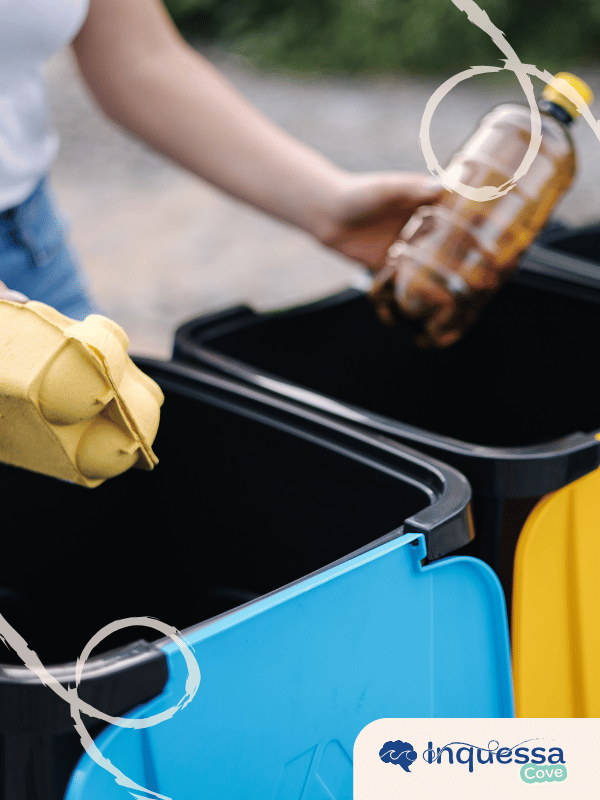
Some plastic is collected separately and sent toward recycling. But putting something in a recycling bin does not guarantee that it will become a new product.
Plastic must be sorted and processed after collection. Some material cannot be recovered successfully.
Even when plastic is placed in a recycling bin, not all of it becomes recycled material. Sorting facilities can lose up to 30 percent of collected plastic because of contamination, machine errors, or mixed materials that cannot be recycled.
The recycling bin is therefore only the beginning of this pathway. What happens next determines whether the plastic is actually recycled.
Plastic That Is Burned
Some waste systems send plastic to facilities where it is burned. Incineration means burning waste at high temperatures.
Burning can reduce the amount of waste that needs to be stored. Some facilities also use the heat from burning waste to produce energy.
This pathway is different from recycling. After plastic is burned, the material is not turned back into another plastic product.
Litter and Leakage
Plastic can also escape formal waste systems. Litter is waste that has been dropped, left behind, or blown into public or natural places instead of being properly managed.
Wind and rain can move litter from streets or open land into drains, streams, and rivers. From there, plastic can continue traveling through the environment.
Each year, an estimated 8 million to 11 million metric tons of plastic enters the oceans. Wind and rain can carry litter from land into drains, streams, rivers, and other waterways.
A piece of litter may begin in one local place but eventually travel much farther away.
Why Waste Pathways Matter
The path plastic follows after use affects what happens next. One bottle may be sent toward recycling. Another may be buried, burned, or escape into the environment.
These pathways show why throwing plastic away is not the end of its story. Waste systems continue moving and managing plastic after it leaves homes, schools, stores, and workplaces.
Understanding these different paths is the first step toward understanding what happens to plastic waste after disposal.
Throwing Away Is Not the End
Putting plastic in a bin does not make it disappear. After collection, plastic can follow several different pathways depending on the local waste system, the type of material, and how it was thrown away.
Some plastic is buried in landfills. Some is sent for recycling. Other plastic is burned, while some escapes collection systems and becomes litter. These pathways lead to different outcomes. Following what happens after the bin shows that there is no single place called “away.”
Plastic in Landfills
Plastic may be sent to a landfill, a place where waste is buried, when it is not recovered. Plastic sent there may arrive mixed with many other kinds of household or business waste.
Once there, the plastic is no longer part of everyday use, but it is still part of the waste system. Landfills are a major destination for discarded materials in many places.
What happens inside a landfill can be complex, but the basic pathway is simple. Waste is collected, transported, and stored instead of being returned to use.
Plastic Sent for Recycling
Some plastic is collected separately and sent toward recycling. However, putting an item in a recycling bin does not guarantee that it will become a new product.
Different materials must be sorted and processed, and some cannot be successfully recovered. Even when plastic is put into a recycling bin, not all of it makes it through processing. Modern sorting facilities can lose up to 30 percent of collected plastic because of contamination, mechanical errors, or mixed materials that cannot be recycled.
This means the recycling bin is only the beginning of another pathway. Whether a plastic item is actually recycled depends on what happens after collection.
Plastic That Is Burned
Some waste systems burn waste at high temperatures to reduce its volume and sometimes produce energy. This process is called incineration.
Burning can reduce the amount of physical waste that needs to be stored, and some systems use the heat to produce energy. However, this pathway is different from recycling because the plastic itself is not turned back into another plastic product.
Incineration is another example of why discarded plastic does not all end up in the same place.
Litter and Leakage
Litter is waste that is dropped, left, or blown into places where it does not belong. Plastic can escape formal waste systems in this way.
Wind and rain can move litter from streets or open land into drains, streams, and rivers. An estimated 8 million to 11 million metric tons of plastic enter the oceans each year after escaping waste systems and moving through the environment.
This pathway may begin locally, but it can carry plastic far from where it was first dropped or lost.
Why Waste Pathways Matter
The route plastic follows after use affects what happens next. A bottle placed in a recycling bin may enter a processing system. Another may be buried, burned, or escape into the environment.
These different pathways show why throwing something away is not the end of its story. Waste systems continue moving and managing plastic after it leaves homes, schools, shops, and workplaces. Understanding these pathways is the first step toward understanding what happens to plastic waste after disposal.
Throwing Away Is Not the End
Putting plastic in a bin does not make it disappear. After collection, plastic can follow several different pathways depending on the local waste system, the type of material, and how it was discarded.
Some plastic is buried in landfills. Some is sent for recycling. Other plastic is burned, while some escapes collection systems completely and becomes litter. These pathways lead to very different outcomes. Following what happens after the bin helps show that there is no single place called “away.”
Plastic in Landfills
A landfill, a place where waste is buried or stored, can receive materials that cannot easily be reused or recycled. Plastic sent to landfill may arrive mixed with many other kinds of household or business waste.
Once there, the plastic is no longer part of everyday use, but it still remains part of the waste system. Landfills are one of the major destinations for discarded materials in many places.
What happens inside a landfill can be complex, but the basic pathway is simple: waste is collected, transported, and stored rather than returned to use.
Plastic Sent for Recycling
Some plastic is collected separately and sent toward recycling. However, placing an item in a recycling bin does not guarantee that it will become a new product.
Different materials must be sorted and processed, and some cannot be successfully recovered. Modern sorting facilities can lose up to 30% of collected plastic because of contamination, mechanical errors, or mixed materials that cannot be recycled.
This means the recycling bin is only the beginning of another pathway. Whether a plastic item is actually recycled depends on what happens after collection.
Plastic That Is Burned
Some waste systems send plastic to facilities where it is burned. The process of burning waste at high temperatures is called incineration.
Burning can reduce the amount of physical waste that must be stored, and some systems use the heat to produce energy. However, this pathway is different from recycling because the plastic material itself is not turned back into another plastic product.
Incineration is one more example of why discarded plastic does not all end up in the same place.
Litter and Leakage
Plastic can also escape formal waste systems. Litter is waste that has been dropped, left, or blown into public or natural places instead of being properly managed.
Wind and rain can move litter from streets or open land into drains, streams, and rivers. An estimated 8 million to 11 million metric tons of plastic enter the oceans each year after escaping waste systems and moving through the environment.
This pathway begins locally but can carry plastic far from where it was first dropped or lost.
Why Waste Pathways Matter
The route plastic follows after use affects what happens next. A bottle placed in a recycling bin may enter a processing system. Another may be buried, burned, or escape into the environment.
These different pathways show why “throwing something away” is not the end of its story. Waste systems continue moving and managing plastic after it leaves homes, schools, shops, and workplaces. Understanding those pathways is the first step toward understanding what happens to plastic waste after disposal.
Throwing Away Is Not the End
Putting plastic in a bin does not make it disappear. After collection, discarded plastic can follow several different pathways depending on the local waste system, the type of material, and how it was discarded.
Some plastic is buried in landfills. Some is collected and sent toward recycling. Other plastic is burned, while some escapes collection systems completely and becomes litter.
These pathways lead to very different outcomes. Following plastic beyond the bin shows that there is no single destination called “away” and that disposal begins another stage in the material’s journey.
Plastic in Landfills
A landfill, a place where waste is buried or stored, represents the final destination for some materials within a larger waste system. Plastic sent there may arrive mixed with many other kinds of household or business waste.
Once in a landfill, the plastic is no longer serving its original purpose, but it remains within the waste system. Landfills are one of the major destinations for discarded materials in many places.
What happens inside a landfill can involve complicated processes, but this article follows only the broad pathway. Waste is collected, transported, and stored rather than returned to use as another product.
Plastic Sent for Recycling
Some plastic is collected separately and sent toward recycling. However, placing an item in a recycling bin does not guarantee that it will eventually become a new product.
After collection, different materials must be sorted and processed. Some plastic cannot be successfully recovered because the material is contaminated, mixed with incompatible materials, or lost during processing.
Even when plastic is correctly placed in a recycling bin, sorting facilities can lose up to 30 percent of collected material because of contamination, mechanical errors, or mixed plastics that cannot be recycled.
The recycling bin is therefore the beginning of another pathway rather than a guaranteed outcome. Whether a plastic item is actually recycled depends on what happens after collection.
Plastic That Is Burned
Some waste systems send plastic to facilities where it is burned. Incineration is the process of treating waste through controlled high-temperature combustion.
Burning can reduce the amount of physical waste that must later be stored. Some facilities also use the heat produced during incineration to generate energy.
This pathway differs from recycling because the plastic material itself is not recovered and turned back into another plastic product. Burning is therefore another destination discarded plastic may reach after collection.
Litter and Leakage
Plastic can also escape formal waste systems. Litter is waste carelessly left outside proper collection or disposal systems.
Wind and rain can move discarded plastic from streets or open land into drains, streams, and rivers. Those waterways can then carry the material farther from where it was first dropped or lost.
Once plastic escapes waste-management systems, wind and rain can carry litter into drains, streams, and rivers; an estimated 8 million to 11 million metric tons of plastic enter the oceans each year through these pathways.
This means a pathway that begins with local litter can eventually carry plastic far beyond the community where it first entered the environment.
Why Waste Pathways Matter
The pathway plastic follows after use affects what happens next. One bottle may enter a recycling system, while another is buried, burned, or escapes into the environment.
These different routes show why throwing something away is not the end of its story. Waste systems continue collecting, moving, processing, burning, or storing plastic after it leaves homes, schools, shops, and workplaces.
Understanding these broad pathways provides the foundation for examining each destination more closely later, without assuming that all discarded plastic ends up in the same place.
Key Vocabulary
pathway (noun) ️ A route that something follows from one place or stage to another. (route, course)
collection (noun) The process of gathering waste so it can be moved or managed. (pickup, gathering)
processing (noun) ⚙️ The steps used to sort, treat, or change materials after collection. (treatment, handling)
contamination (noun) Unwanted material mixed into something, making it harder to process correctly. (impurity, unwanted material)
mechanical error (noun) ⚙️ A mistake or failure caused by machinery or equipment. (machine problem, equipment error)
recover (verb) ♻️ To successfully collect useful material so it can be used again. (retrieve, reclaim)
combustion (noun) The process of burning a material. (burning, ignition)
energy (noun) ⚡ The ability to produce heat, movement, or other forms of work. (power)
formal waste system (noun) ️ An organized system for collecting, transporting, and managing waste. (managed waste system)
leakage (noun) ️ The escape of waste from a managed system into the surrounding environment. (escape, loss)
waterway (noun) A river, stream, canal, or other route through which water flows. (river route, water channel)
destination (noun) The place or outcome where something eventually ends up. (endpoint, final place)
