
When Plastic Waste Is Shipped Abroad
About this Article
Lines of Inquiry
- Connections among exporting countries, receiving communities, businesses, transport, and recycling systems when waste crosses borders.
- Different perspectives on whether waste trade supports recycling or shifts environmental burdens from one place to another.
- Responsibility for what happens to plastic after it leaves the country where it was originally used.
Guiding Questions
- Why might sending plastic waste to another country be part of legitimate recycling in one situation but create harm in another?
- What information should countries know before a shipment of plastic waste crosses a border?
- Does responsibility for waste end when the country that produced it sends it somewhere else?
When Plastic Waste Is Shipped Abroad
Waste That Crosses Borders
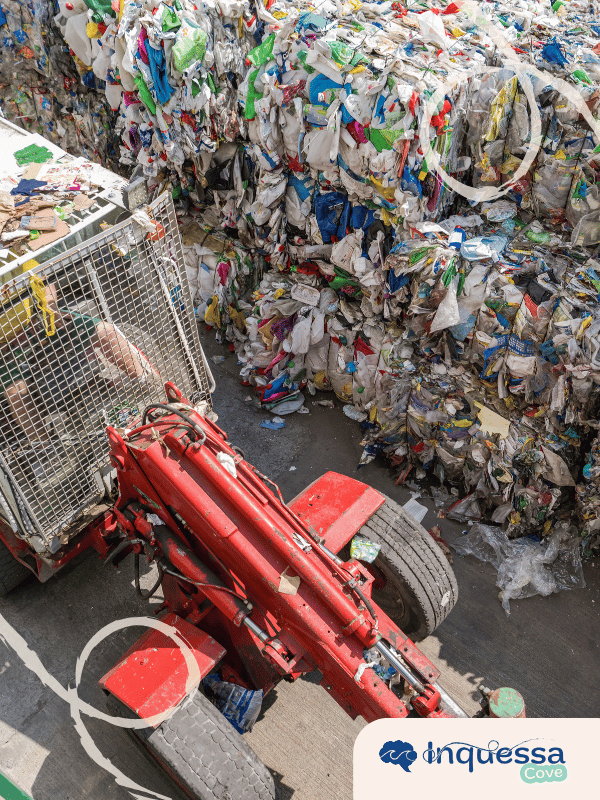
Plastic does not always stay in the country where it becomes waste. It can enter waste trade, being shipped between places for recycling or disposal. Waste may be moved for sorting, recycling, treatment, or disposal.
This trade can be legal. It can connect plastic waste with facilities that have the equipment or markets to process it. In 2025, Germany exported more than 810,000 tonnes of plastic waste to other countries. Once waste crosses borders, several businesses and waste systems may become involved in managing it.
Why Plastic Waste Is Shipped
Plastic waste may be sent abroad because recycling and processing facilities are not available everywhere. Some countries have businesses that buy certain plastics or equipment that can turn them into recycled material.
Sending plastic abroad is not automatically the same as dumping it. A shipment of suitable plastic can become part of a recycling system. However, crossing a border does not guarantee that every piece will be recycled. What happens depends on the type and condition of the plastic and the facilities available when it arrives.
Sorting, Recycling, and Lower-Value Waste
Not all plastic in a shipment has the same recycling value. Clean, well-sorted plastic may be easier to process. Mixed, dirty, or difficult-to-recycle plastic may have fewer places where it can be used.
Sorting may recover useful material while leaving other plastic that still needs safe treatment or disposal. A shipment described as recycling material can therefore contain some plastic that is difficult to use.
Safe waste trade depends on knowing what is being shipped and whether the receiving system can manage all of it.
When Receiving Communities Carry the Burden
Plastic waste may arrive in a receiving community. This is a place that takes in waste from somewhere else. Recycling businesses may recover useful materials from these imports. Problems can happen when more waste arrives than facilities can safely handle.
Much of Germany’s and the U.K.’s exported plastic waste has gone to Turkey, Malaysia, and Indonesia. Investigations have linked parts of this recycling trade to dumping, burning, and environmental harm.
When this happens, communities far from where the products were first bought and used may experience some of the pollution from managing that waste.
Rules, Responsibility, and Fairness
Countries have international rules because waste can move through complicated chains of businesses and borders. The Basel Convention sets rules for moving certain kinds of waste between countries. New rules for plastic waste were agreed in 2019 and took effect in 2021. They placed stricter controls on many shipments of mixed, dirty, or hazardous plastic waste.
For many of these shipments, the exporting country must tell the receiving country about the waste and get permission before it crosses the border. Cleaner, well-sorted plastic being sent for safe recycling can be treated differently. These rules control waste trade rather than banning it completely.
Sending waste to another country does not make the original waste disappear. Exporting countries, businesses, processing facilities, and governments can all affect what happens to it. Responsibility does not automatically end when waste crosses a border.
Why Waste Trade Is Complicated
Plastic waste trade can help recycling when suitable material reaches a facility that can process it safely. It can also create unfair results when difficult waste is dumped, burned, or sent somewhere without enough capacity to manage it.
The important question is not simply whether plastic crosses a border. It also matters what kind of waste is shipped, whether the receiving country agrees to take it, what happens after it arrives, and whether nearby communities are protected.
Those conditions help determine whether waste trade recovers useful plastic or moves part of the waste problem somewhere else.
Waste That Crosses Borders
Plastic does not always stay in the country where it becomes waste. Waste trade involves moving waste between countries or regions for sorting, recycling, treatment, or disposal. This trade can be legal and can connect waste with facilities that have the equipment or markets to process it.
Large amounts can cross borders this way. In 2025, Germany exported more than 810,000 tonnes of plastic waste to other countries. Once waste moves through exporters, transport companies, recycling businesses, and receiving countries, managing it can involve several different systems.
Why Plastic Waste Is Shipped
Plastic waste may be shipped abroad because recycling and processing facilities are not located everywhere. Some countries have businesses that buy certain plastics, equipment for processing them, or markets that can use recycled material.
Exporting waste is not automatically the same as dumping it. A shipment of suitable plastic can become part of a recycling system. However, crossing a border does not guarantee that every piece will be recycled. What happens depends on the material being shipped, its condition, and the facilities available after it arrives.
Sorting, Recycling, and Lower-Value Waste
Not every piece of plastic in a shipment has the same recycling value. Clean, well-sorted materials can be easier to process, while mixed, dirty, or difficult-to-recycle plastics may have fewer useful destinations.
Sorting can recover some useful material while leaving other plastic that still needs safe treatment or disposal. A shipment described as recycling material may therefore contain plastic that the receiving system cannot easily use. Safe trade depends on knowing what is being shipped and whether suitable facilities can manage all of it.
When Receiving Communities Carry the Burden
A receiving community, the place that accepts waste from another area or country, may have to manage its effects. Recycling businesses can recover useful material from imports, but problems can arise when more waste arrives than facilities can safely process.
Much of Germany’s and the U.K.’s exported plastic waste has gone to Turkey, Malaysia, and Indonesia. Investigations have linked parts of that recycling trade to dumping, burning, and environmental harm. When this happens, communities far from where products were originally bought and used can experience the pollution connected with managing that waste.
Rules, Responsibility, and Fairness
Countries have international rules because waste can move through complicated chains of businesses and borders. The Basel Convention sets rules for moving certain kinds of waste between countries. Plastic-waste amendments agreed in 2019 took effect in 2021, bringing many mixed, contaminated, or hazardous plastic-waste shipments under stricter controls.
For many of these shipments, the exporting country must inform the receiving country and get permission before the waste crosses the border. Cleaner, well-sorted plastics meant for environmentally sound recycling can be treated differently. These rules control plastic-waste trade rather than banning it completely.
Sending waste across a border does not make the original waste disappear. Exporting countries, businesses involved in the trade, processing facilities, and governments can all affect what happens to it.
Fairness becomes especially important when one place receives the environmental costs of waste produced and used somewhere else. International rules can control which materials may be shipped and how they should be handled, but responsibility does not automatically end at the border.
Why Waste Trade Is Complicated
Plastic waste trade can support recycling when suitable material reaches a facility that can process it safely. It can also create unfair results when difficult waste is dumped, burned, or sent to places without enough capacity to manage it.
The important question is not simply whether plastic crosses a border. What matters is what kind of waste is shipped, whether the receiving country agrees to take it, what happens after it arrives, and whether nearby communities are protected. Those conditions help determine whether international waste trade recovers useful plastic or shifts part of the waste problem somewhere else.
When Plastic Waste Is Shipped Abroad
Waste That Crosses Borders
Plastic does not always stay in the country where it becomes waste. It can enter waste trade, moving between regions or countries for sorting, recycling, treatment, or disposal. This trade can be legal and can connect waste with facilities that have the equipment or markets to process it.
Large amounts can cross borders this way. In 2025, Germany exported more than 810,000 tonnes of plastic waste to other countries. Once waste begins moving through exporters, transport companies, recycling businesses, and receiving countries, managing it can involve several different systems.
Why Plastic Waste Is Shipped
Plastic waste may be shipped abroad because recycling and processing facilities are not located everywhere. Some countries have businesses that buy particular plastics, equipment for processing them, or markets that can use recycled material.
Exporting waste is therefore not automatically the same as dumping it. A shipment of suitable plastic can become part of a recycling system. However, crossing a border does not guarantee that every piece will be recycled. What happens depends on the material being shipped, its condition, and the facilities available after it arrives.
Sorting, Recycling, and Lower-Value Waste
Not every piece of plastic in a shipment has the same recycling value. Clean, well-sorted materials can be easier to process, while mixed, dirty, or difficult-to-recycle plastics may have fewer useful destinations.
Sorting can recover some valuable material while leaving other plastic that still requires safe treatment or disposal. A shipment described as recycling material may therefore contain plastic that the receiving system cannot easily use. Safe trade depends on knowing what is being shipped and whether suitable facilities can manage all of it.
When Receiving Communities Carry the Burden
Plastic waste may arrive in a receiving community, the place responsible for handling waste sent from somewhere else. Recycling businesses can recover useful material from imports, but problems arise when more waste arrives than facilities can safely process.
Much of Germany’s and the U.K.’s exported plastic waste has gone to Turkey, Malaysia, and Indonesia, where investigations have linked parts of the recycling trade to dumping, burning, and environmental harm. When this happens, communities far from where products were originally bought and used can experience the pollution connected with managing that waste.
Rules, Responsibility, and Fairness
Countries have international rules because waste can pass through complicated chains of businesses and borders. The Basel Convention sets rules for moving certain kinds of waste between countries. Plastic-waste amendments agreed in 2019 took effect in 2021, bringing many mixed, contaminated, or hazardous plastic-waste shipments under stricter controls.
For many of these shipments, the exporting country must inform the receiving country and receive permission before the waste crosses the border. Cleaner, well-sorted plastics intended for environmentally sound recycling can be treated differently. The rules control plastic-waste trade rather than banning it completely.
Sending waste across a border does not make the original waste disappear. Exporting countries, businesses involved in the trade, processing facilities, and governments can all affect what happens to it.
Fairness becomes especially important when one place receives the environmental costs of waste produced and used somewhere else. International rules can control which materials may be shipped and how they should be handled, but responsibility does not automatically end at the border.
Why Waste Trade Is Complicated
Plastic waste trade can support recycling when suitable material reaches a facility able to process it safely. It can also create unfair outcomes when difficult waste is dumped, burned, or sent to places without enough capacity to manage it.
The important question is not simply whether plastic crosses a border. What matters is what kind of waste is shipped, whether the receiving country agrees to take it, what happens after arrival, and whether nearby communities are protected. Those conditions determine whether international waste trade helps recover useful plastic or shifts part of the waste problem somewhere else.
Waste That Crosses Borders
Plastic does not always remain in the country where it becomes waste. It can enter waste trade, moving between regions or countries for sorting, recycling, treatment, or disposal. This trade can be legal and can connect discarded material with facilities that have the equipment or markets needed to process it.
Large amounts of plastic can move across borders in this way. In 2025, Germany sent more than 810,000 tonnes of plastic waste to other countries for processing, recycling, treatment, or disposal. Once waste moves through exporters, transport companies, recycling businesses, and receiving countries, managing it can involve several different systems rather than a single local waste service.
Why Plastic Waste Is Shipped
Plastic waste may be exported because recycling and processing facilities are not available everywhere. Some countries have businesses that buy particular plastics, equipment that can process them, or markets that can use the recycled material.
Exporting waste is therefore not automatically the same as dumping it. A shipment of suitable plastic can become part of a legitimate recycling system. However, crossing a national border does not guarantee that every piece will be recycled. What happens after arrival depends on the type of material, its condition, and the facilities available to handle it.
Sorting, Recycling, and Lower-Value Waste
Not every piece of plastic in a shipment has the same recycling value. Clean, well-sorted material can be easier to process, while mixed, dirty, or difficult-to-recycle plastic may have fewer useful destinations.
Sorting may recover some valuable material while leaving other plastic that still needs safe treatment or disposal. A shipment described as recycling material can therefore include plastic that the receiving system cannot easily use. Safe trade depends on knowing what is being shipped and whether appropriate facilities can manage all of it.
When Receiving Communities Carry the Burden
Plastic waste may arrive in a receiving community, a place responsible for handling waste sent from somewhere else. Recycling businesses can recover useful material from imports, but problems can develop when more waste arrives than local facilities can safely process.
Large amounts of plastic waste exported by Germany and the U.K. have gone to Turkey, Malaysia, and Indonesia. Investigations have linked parts of this recycling trade to dumping, burning, and environmental harm. When this happens, communities far from where the products were originally purchased and used may experience some of the pollution connected with managing that waste.
Rules, Responsibility, and Fairness
Because waste can move through complicated chains of businesses and national borders, countries use international rules to control parts of the trade. The Basel Convention sets rules for moving certain kinds of waste between countries. Plastic-waste amendments agreed in 2019 took effect in 2021, bringing many mixed, contaminated, or hazardous plastic-waste shipments under stricter controls.
For many of these shipments, the exporting country must inform the receiving country and receive permission before the waste crosses the border. Cleaner, well-sorted plastics intended for environmentally sound recycling can be treated differently. These rules regulate plastic-waste trade rather than banning it completely.
Sending waste across a border does not make the original waste problem disappear. Exporting countries, companies involved in the trade, processing facilities, and governments can all influence what happens to the material.
Fairness becomes especially important when one place receives environmental costs connected with products that were produced or used elsewhere. International rules can control which materials may be shipped and how they should be handled, but responsibility does not automatically end when waste crosses a border.
Why Waste Trade Is Complicated
Plastic waste trade can support recycling when suitable material reaches a facility capable of processing it safely. It can also create unfair outcomes when difficult waste is dumped, burned, or sent to places without enough capacity to manage it.
The important question is not simply whether plastic crosses a border. What matters is what kind of waste is shipped, whether the receiving country agrees to accept it, what happens after it arrives, and whether nearby communities are protected. Those conditions determine whether international waste trade helps recover useful plastic or shifts part of the waste problem somewhere else.
Key Vocabulary
export (verb) To send goods or materials from one country to another. (ship abroad, send out)
processing facility (noun) A place where materials are sorted, treated, recycled, or otherwise handled. (processing site, treatment facility)
recycling value (noun) ♻️ The usefulness or worth of a material because it can be processed and used again. (recovery value, material value)
well-sorted (adjective) ✅ Carefully separated into useful material groups. (properly sorted, separated)
mixed plastic (noun) Plastic waste containing different types or materials together. (mixed waste, combined plastics)
contaminated (adjective) ⚠️ Made dirty or mixed with unwanted substances that can make processing harder or unsafe. (polluted, soiled)
hazardous (adjective) ☢️ Able to cause harm and requiring special handling. (dangerous, risky)
permission (noun) ✅ Approval allowing something to happen. (consent, authorization)
exporting country (noun) A country that sends waste or other materials to another country. (sending country, source country)
environmentally sound recycling (noun) ♻️ Recycling carried out in ways designed to protect people and the environment. (safe recycling, responsible recycling)
capacity (noun) The amount a facility or system is able to handle safely. (ability, processing limit)
international rule (noun) A rule agreed between countries to guide actions that cross national borders. (cross-border rule, international requirement)
environmental cost (noun) Harm or burden placed on the environment as a result of an activity. (environmental burden, impact)
