
Why Consumers Cannot Solve the Problem Alone
About this Article
Lines of Inquiry
- Connections between personal choices and the prices, products, services, and rules that shape which choices are actually possible.
- Different perspectives on responsibility when some plastic decisions are made by consumers and others are made earlier by stores, producers, or institutions.
- The limits of individual action when waste collection, recycling, and safe disposal depend on larger systems.
Guiding Questions
- Why can two people who both want to reduce plastic face very different choices?
- Who has already made decisions about a product before a shopper reaches the shelf?
- Why can individual action still matter even when it cannot solve the whole plastic problem?
Why Consumers Cannot Solve the Problem Alone
Choices Shaped by Systems
People can make choices that reduce some plastic use, but those choices do not happen on their own. Individual choices face system limits, conditions that make some choices hard or impossible.
A family may want to avoid disposable packaging, but reusable options might cost more or be difficult to find. A school may have rules about what containers students can bring. Local waste services may accept some materials but not others.
These limits help explain why plastic waste cannot be solved simply by asking everyone to make better choices.
What Stores Make Available
What shoppers can choose depends partly on availability, whether something is there and ready for people to get or use.
One store might offer loose fruit, refill stations, or reusable containers. Another may sell mostly packaged products.
This means two families trying to reduce plastic may face very different choices. Cost, location, transportation, and the products sold nearby can all affect what is realistic. Personal choices still matter, but people can only choose from the options available to them.
Cost, Access, and Time
Reducing plastic can require more than deciding to buy something different. Reusable items may cost more at the beginning. Refill options may be far away. Some families may not have extra time for washing, sorting, or traveling to different shops.
Waste services also depend on larger systems. A community needs collection, transport, sorting, and safe disposal options after people throw things away.
Some homes or communities do not have regular waste collection or safe disposal services. Their waste may be harder to manage properly. This missing service is called a waste coverage gap. When these services are missing, even people who want to manage plastic carefully may have very few safe choices.
Packaging Chosen Before Purchase
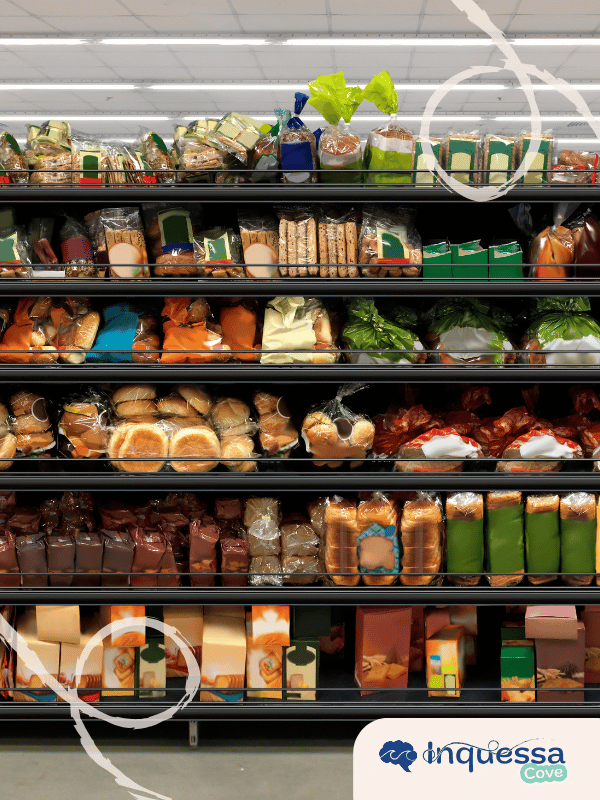
Shoppers may find pre-wrapped packaging, packaging added before they choose a product. Producers or stores have already chosen how the product will be packaged before a shopper reaches the shelf.
Up to 90% of grocery store items, from fresh produce to cereal boxes, are already wrapped in plastic film or liners before they reach store shelves.
If the same product is not sold loose or in another container, shoppers cannot simply choose to remove that plastic from the system. The packaging decision was made earlier.
Waste Systems After Use
Even careful choices depend on what happens after an item is used. A person may sort plastic correctly, but the local system decides which materials are collected and what services are available.
Some communities have several recycling choices. Others may not have regular waste collection. These differences can affect whether plastic is recycled, buried, burned, or left unmanaged.
Consumers control how they handle their own waste, but they do not control the entire system that receives it.
Why Individual Action Still Matters
Individual action is something one person does to help address a problem. It can make a difference, but its reach is smaller than changes made across whole systems.
Choosing a reusable item, avoiding unnecessary packaging when possible, or sorting waste correctly can still reduce some plastic use.
The problem comes when personal action is treated as the only solution. Recognizing system limits does not make individual choices useless. It shows that lasting change also depends on making lower-waste choices affordable, available, and supported by the systems around people.
Choices Shaped by Systems
People can make choices that reduce some plastic use, but those choices do not happen on their own. Individual choices face system limits, conditions that restrict which options are realistically available.
A family may want to avoid disposable packaging, but reusable choices might cost more or be hard to find. A school may have rules about which containers students can bring. Local waste services may accept some materials but not others. These system limits help explain why plastic waste cannot be solved simply by asking everyone to make better choices.
What Stores Make Available
What shoppers can choose depends partly on availability. Availability describes whether something people need or want is easy to find, get, or use.
One store might offer loose fruit, refill stations, or reusable containers, while another may sell mostly packaged products. Cost, location, transportation, and the products stocked nearby can all affect what is realistic. Personal decisions still matter, but people can only choose from the options that are actually available to them.
Cost, Access, and Time
Reducing plastic can require more than deciding to buy something different. Reusable items may cost more at the beginning, refill options may be far away, and some families may not have extra time for washing, sorting, or traveling to different shops. These limits can make lower-waste choices easier for some people than for others.
Waste services also depend on larger systems that individuals cannot create by themselves. Waste services do not reach every community equally. When people lack reliable collection or safe disposal options, the missing access is called a waste coverage gap. Without those services, even people who want to manage plastic responsibly may have very few safe choices.
Packaging Chosen Before Purchase
Consumers may find pre-wrapped packaging, packaging added before a product is purchased. Producers or retailers have already chosen how the product will be sold before a shopper reaches the shelf.
Up to 90 percent of grocery store items, from fresh produce to cereal boxes, are already wrapped in plastic film or liners before they reach store shelves. If the same product is not offered loose or in another container, shoppers cannot simply choose to remove that packaging from the system. The plastic decision was made earlier.
Waste Systems After Use
Even careful consumer choices depend on what happens after an item is used. A person may sort plastic correctly, but the local system decides which materials are collected and what services are available.
Some communities have several recycling options, while others may not have regular waste collection. These differences can affect whether discarded plastic is recovered, buried, burned, or left unmanaged. Consumers control how they handle their own waste, but they do not control the whole system that receives it.
Why Individual Action Still Matters
Individual action can reduce some plastic use or waste, but its effect is smaller than changes across larger systems.
Choosing a reusable item, avoiding unnecessary packaging when possible, or sorting waste correctly can still make a difference. The problem comes when personal action is treated as the only solution. Recognizing system limits does not make individual choices useless. It shows that lasting change also depends on making lower-waste choices affordable, available, and supported by the systems around people.
Why Consumers Cannot Solve the Problem Alone
Choices Shaped by Systems
People can make choices that reduce some plastic use, but those choices do not happen in isolation. Individual choices operate within system limits, restrictions created by available products, infrastructure, prices, rules, and surrounding conditions that can narrow realistic options.
A family may want to avoid disposable packaging, yet reusable choices might cost more or be difficult to find. A school may have rules about what containers students can bring. Local waste services may accept some materials but not others. These limits help explain why plastic waste cannot be solved simply by asking everyone to make better choices.
What Stores Make Available
What shoppers can choose depends partly on availability, or how easily a product, service, resource, or option can be found or obtained. One store might offer loose fruit, refill stations, or reusable containers, while another may offer mostly packaged products.
This means two families trying to reduce plastic may face very different choices. Cost, location, transportation, and the products stocked nearby can all affect what is realistic. Personal decisions still matter, but people can only choose among the options that are actually available to them.
Cost, Access, and Time
Reducing plastic can require more than deciding to buy something different. Reusable items may cost more at the beginning, refill options may be far away, and some families may not have extra time for washing, sorting, or traveling to different shops. These limits can make lower-waste choices easier for some people than for others.
Waste services also depend on larger systems that individuals cannot create by themselves. A community needs collection, transport, sorting, and safe disposal options to manage waste after people throw it away. A situation in which people or communities lack reliable waste collection or safe disposal services is called a waste coverage gap. Where those services are missing, even people who want to manage plastic responsibly may have very few safe choices.
Packaging Chosen Before Purchase
Consumers often encounter pre-wrapped packaging, packaging added before a product is purchased. Producers or retailers have already chosen how the product will be sold before a shopper reaches the shelf.
Up to 90% of grocery store items, from fresh produce to cereal boxes, are already wrapped in plastic film or liners before they reach store shelves. When the same product is not available loose or in another container, shoppers cannot simply choose to remove that packaging from the system. The plastic decision has already been made earlier.
Waste Systems After Use
Even careful consumer choices depend on what happens after an item is used. A person may sort plastic correctly, but the local system determines which materials are collected and what services are available.
Some communities have several recycling options, while others may lack regular waste collection altogether. These differences can affect whether discarded plastic is recovered, buried, burned, or left unmanaged. Consumers control how they handle their own waste, but they do not control the entire system that receives it.
Why Individual Action Still Matters
Individual action is something one person does to reduce harm or support change. Its influence may be meaningful while still being smaller than changes made across companies, policies, infrastructure, or entire systems.
Choosing a reusable item, avoiding unnecessary packaging when possible, or sorting waste correctly can still reduce some plastic use. The problem comes when personal action is treated as the only solution. Recognizing system limits does not make individual choices useless. It shows that lasting change also depends on making lower-waste choices affordable, available, and supported by the systems around people.
Choices Shaped by Systems
People can make choices that reduce some plastic use, but those choices do not happen independently of the systems around them. Consumers make decisions within system limits, restrictions created by available products, infrastructure, prices, rules, and surrounding conditions. These limits shape which options are realistic.
A family may want to avoid disposable packaging, yet reusable choices might cost more or be difficult to find. A school may have rules about which containers students can bring, while local waste services may accept some materials but not others. These examples show why plastic waste cannot be solved simply by telling everyone to make better personal choices.
What Stores Make Available
What shoppers can choose depends partly on availability, or how easily a product, service, resource, or option can be found or obtained. One store may offer loose fruit, refill stations, or reusable containers, while another may stock mostly packaged products.
As a result, two families trying to reduce plastic may face very different choices. Cost, location, transportation, and nearby products can all affect what is practical. Personal decisions still matter, but people can choose only among the options that are actually available to them.
Cost, Access, and Time
Reducing plastic can require more than simply deciding to buy something different. Reusable items may cost more at the beginning, refill options may be far away, and some families may not have extra time for washing, sorting, or traveling to different shops. These conditions can make lower-waste choices much easier for some people than for others.
Waste services also depend on larger systems that individuals cannot create by themselves. A community needs collection, transport, sorting, and safe disposal options to manage discarded materials. A situation in which people or communities lack reliable waste collection or safe disposal services is called a waste coverage gap. Where those services are missing, even people who want to manage plastic responsibly may have very few safe choices.
Packaging Chosen Before Purchase
Consumers often encounter pre-wrapped packaging, packaging added before a product is purchased. Producers or retailers have already decided how the product will be sold before a shopper arrives at the shelf.
Up to 90 percent of grocery-store items, from fresh produce to cereal boxes, can already contain plastic film or liners before shoppers ever see them on the shelves. If the same product is not available loose or in another type of container, shoppers cannot simply choose to remove that packaging from the system. The plastic decision was made earlier, before the consumer had a chance to choose.
Waste Systems After Use
Even careful consumer choices depend on what happens after an item is used. A person may sort plastic correctly, but the local system still determines which materials are collected and which services are available.
Some communities have several recycling options, while others may lack regular waste collection altogether. These differences can affect whether discarded plastic is recovered, buried, burned, or left unmanaged. Consumers can control how they handle their own waste, but they cannot control the entire system that receives it.
Why Individual Action Still Matters
Individual action is something one person does to reduce harm or support change. Its influence can be meaningful while still being smaller than changes made across companies, policies, infrastructure, or entire systems.
Choosing a reusable item, avoiding unnecessary packaging when possible, or sorting waste correctly can still reduce some plastic use. The problem begins when personal action is treated as the only solution. Recognizing system limits does not make individual choices useless; instead, it shows that lasting change also depends on making lower-waste choices affordable, available, and supported by the systems around people.
Key Vocabulary
infrastructure (noun) ️ The services, equipment, roads, and facilities needed for a system to work. (support systems, facilities)
reusable choice (noun) An option designed to be used many times instead of once. (reuse option, reusable alternative)
loose fruit (noun) Fruit sold without being placed in an individual package first. (unpackaged fruit, loose produce)
refill station (noun) A place where people can refill a container instead of buying a new packaged one. (refill point, refill service)
transportation (noun) The ways people or materials move from one place to another. (transport, travel)
waste service (noun) A service that collects, sorts, treats, recycles, or disposes of waste. (waste collection, waste system)
safe disposal (noun) ️ Handling waste in a way designed to reduce harm to people and the environment. (managed disposal, proper disposal)
producer (noun) A company or business involved in making or placing a product on the market. (manufacturer, company)
retailer (noun) A business that sells products directly to shoppers. (seller, store)
local system (noun) ️ A service or network operating within a particular community or area. (community system, local network)
discarded (adjective) ️ Thrown away or no longer wanted. (disposed of, unwanted)
lower-waste choice (noun) ♻️ An option that can create less waste than another available choice. (waste-reducing option, lower-waste alternative)
