
Extended Producer Responsibility: When Companies Help Pay for Waste
About this Article
Lines of Inquiry
- Responsibility for a product after it has been sold, used, and becomes waste.
- The function of environmental fees and producer payments in supporting collection and recycling systems.
- Connections between waste costs, company decisions, and the way products or packaging are designed.
Guiding Questions
- Why might a company still have responsibility for a product after a customer has finished using it?
- How could paying some of the cost of waste change the choices a company makes when designing packaging?
- Why might EPR rules need to be different for packaging, electronics, tires, and other product groups?
Extended Producer Responsibility: When Companies Help Pay for Waste
Responsibility After the Sale
A company’s connection to a product does not always end when the product is sold. Extended producer responsibility (EPR) is a system where companies share responsibility for products after use.
Instead of leaving all waste costs to households and local governments, an EPR system can ask producers to help organize or pay for collection, recycling, or other waste services.
Producers, Packaging, and Waste
EPR can be designed for different product groups, categories of similar products. EPR policies are commonly used for product groups such as electronics, packaging, vehicles, and tires.
Different products create different waste problems, so EPR rules do not have to work exactly the same way for every group. Packaging may need one collection system while old electronics need another.
Paying for Collection and Recycling
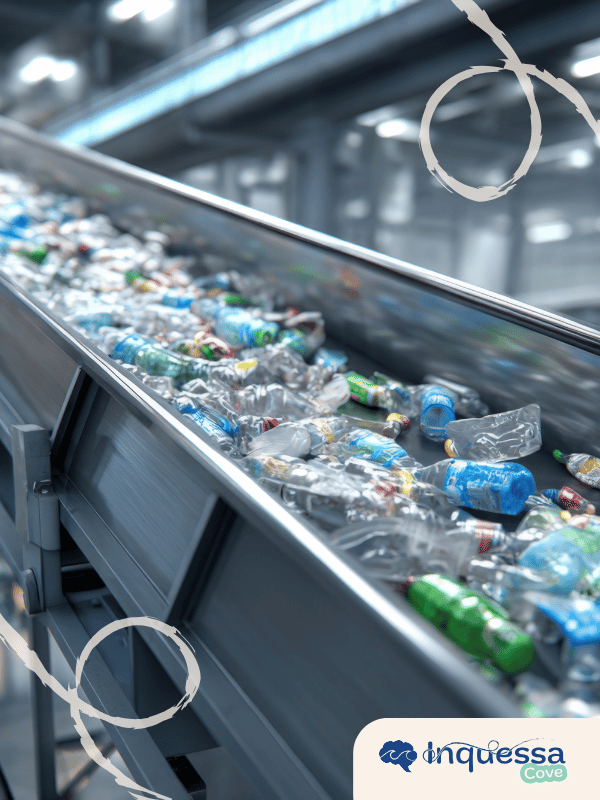
Waste collection and recycling need workers, vehicles, sorting facilities, and other equipment. EPR can shift some of these costs toward companies whose products enter the waste system.
Under newer European EPR rules, plastic manufacturers can pay environmental fees linked to how much plastic they produce. This money can help fund local recycling collection, sorting, vehicles, and infrastructure. Environmental fees are fees charged for environmental impacts and can make producers help cover waste costs.
Designing Products With the End in Mind
EPR can also encourage companies to think about what happens after a product is used. A package that is easier to sort or recycle may create fewer problems for the waste system than a complicated one.
After British Columbia introduced EPR laws, its packaging recycling rate rose to more than 70% within a few years. Results depend on how a system is designed, but the example shows that producer responsibility can become part of a larger recycling system.
Why EPR Is Debated
EPR rules can raise questions about who should pay, how fees should be set, and whether costs will affect product prices. Different businesses may also have different abilities to change products or packaging.
The main idea is shared responsibility. Consumers still make choices and local waste systems still do important work, but companies can also have a role after the products they make or sell become waste.
Responsibility After the Sale
A company’s connection to a product does not always end when someone buys it. Extended producer responsibility (EPR) is a policy approach that makes producers share responsibility for managing products after use. Depending on the system, a producer might be a manufacturer, brand, importer, or seller.
Under extended producer responsibility (EPR), companies may help fund collection, recycling, reuse, or other waste systems. After British Columbia introduced EPR laws, its packaging recycling rate rose to more than 70 percent within a few years. This connects companies more closely to what happens after their products are no longer wanted.
Producers, Packaging, and Waste
Different products create different waste problems. Waste rules may apply to product groups, including packaging, electronics, batteries, and other categories of similar products. Electronics, packaging, vehicles, and tires are product groups commonly covered by EPR policies.
The responsibilities placed on companies can differ from one product group to another. One policy might require beverage companies to help fund bottle collection, while another might require electronics producers to help pay for collection or recycling. The main idea stays the same: companies that put products onto the market share some responsibility for managing them after use.
Paying for Collection and Recycling
Collecting and processing waste costs money. Without EPR, much of that cost may fall on communities, waste systems, and consumers. Under EPR, companies may help pay for collection, recycling, reuse, or other waste-management systems.
Environmental fees, fees such as charges on waste, can help pay for collection or environmental programs. Under newer European EPR rules, plastic manufacturers can pay environmental fees based on how much plastic they produce. The money can help fund local recycling collection, sorting, vehicles, and infrastructure. These fees move some waste-management costs toward the companies connected to producing the material.
Designing Products With the End in Mind
EPR can affect more than who pays for waste. When waste costs become part of a company’s responsibility, product design may also become part of the decision.
Extended producer responsibility (EPR) can also encourage companies to redesign packaging or products when waste costs become part of their responsibility. A company may have a stronger reason to think about how much packaging it uses, how easily materials can be collected, or what will happen after a product is discarded. Paying for waste does not automatically lead to better design, but it can create a financial reason to think about what happens after use.
Why EPR Is Debated
EPR shifts some responsibility toward producers, but it does not remove responsibility from everyone else. Consumers still make choices about using, returning, and throwing away products. Governments and waste systems still create rules and collection systems.
EPR systems can also differ in which producers are included, which products are covered, and how much companies must pay or manage. A policy may improve collection without changing every product design, and paying fees does not automatically solve waste problems. EPR changes who shares responsibility for waste, but its results depend on how the system is designed and carried out.
Extended Producer Responsibility: When Companies Help Pay for Waste
Responsibility After the Sale
A company’s connection to a product does not always end when someone buys it. Extended producer responsibility (EPR) is a policy approach that makes producers share responsibility for products after they become waste. Depending on the system, a producer might be a manufacturer, brand, importer, or seller.
EPR can require companies to help pay for collection, recycling, reuse, or other waste-management systems. After British Columbia introduced EPR laws, its packaging recycling rate rose to more than 70 percent within a few years. By extending responsibility beyond the sale, the policy connects companies more closely to what happens when their products are no longer wanted.
Producers, Packaging, and Waste
Different products create different kinds of waste problems. Electronics, packaging, vehicles, and tires are all product groups commonly covered by EPR policies. These products may need different collection or recycling systems. For that reason, EPR policies are often organized by product groups, categories of similar items such as packaging, electronics, textiles, or vehicles.
The responsibilities placed on companies can vary from one product group to another. One policy might require beverage companies to help fund bottle collection, while another might require electronics producers to help pay for collection or recycling. The core principle stays the same: companies that put products onto the market share responsibility for managing those products after use.
Paying for Collection and Recycling
Collecting and processing waste costs money. Without EPR, much of that cost may fall on communities, waste systems, and consumers. Under extended producer responsibility, companies may help finance collection, recycling, reuse, or other waste-management systems instead.
Governments may also charge environmental fees, payments linked to waste or pollution, to influence how resources are used. Under newer European EPR rules, plastic manufacturers can be charged environmental fees linked to the amount of plastic they produce, helping fund local recycling collection, sorting, vehicles, and infrastructure. These fees shift some waste-management costs toward the companies connected to producing the material.
Designing Products With the End in Mind
EPR can affect more than who pays for waste. When waste costs become part of a company’s responsibility, product design may also become part of the decision.
A company might have a stronger reason to consider how much packaging it uses, how easily materials can be collected, or what will happen after a product is discarded. Extended producer responsibility can therefore encourage companies to redesign products when waste costs become part of their responsibility. Paying for waste does not automatically create better design, but it can give companies a financial reason to think about what happens after a product is used.
Why EPR Is Debated
EPR shifts some responsibility toward producers, but it does not remove responsibility from everyone else. Consumers still make choices about using, returning, and disposing of products, while governments and waste systems still help create the rules and collection systems.
EPR systems can also differ in which producers are included, which products are covered, and how much companies must pay or manage. A policy may improve collection without changing every product design, and paying fees does not automatically solve waste problems. EPR changes who shares responsibility for waste, but its results depend on how the system is designed and carried out.
Responsibility After the Sale
A company’s connection to a product does not always end when a customer buys it. Extended producer responsibility (EPR) is a policy approach that makes producers share responsibility for products after they become waste. Depending on the system, the producer involved might be a manufacturer, brand, importer, or seller.
Extended producer responsibility (EPR) policies make producers share responsibility for products after use. After British Columbia introduced EPR laws, its packaging recycling rate rose to more than 70 percent within a few years. By extending responsibility beyond the sale, EPR connects companies more directly to what happens after their products are no longer wanted.
Producers, Packaging, and Waste
EPR policies commonly apply to product groups such as electronics, packaging, vehicles, and tires. Product groups are categories of similar items, such as packaging, electronics, textiles, or vehicles, that may be managed under different rules.
The responsibilities placed on producers can therefore vary from one group to another. A beverage company might help fund bottle collection, whereas an electronics producer might contribute to collection or recycling systems designed for old devices. Although the details differ, the central principle remains the same: companies that place products on the market share responsibility for managing them after use.
Paying for Collection and Recycling
Collecting, transporting, sorting, and processing waste all cost money. Without EPR, much of that expense may fall on communities, waste systems, and consumers. Extended producer responsibility changes that balance by requiring companies to help finance some of the systems that manage products after they are discarded.
Governments may also use environmental fees, payments linked to waste or pollution that can shift some costs toward the activities or companies connected to creating them. Under newer European EPR rules, plastic manufacturers can be charged environmental fees linked to the amount of plastic they produce, helping fund local recycling collection, sorting, vehicles, and infrastructure. In this way, part of the cost of managing plastic waste can move closer to the companies connected to producing the material.
Designing Products With the End in Mind
EPR can influence more than who pays for waste. Once companies are responsible for some end-of-use costs, product design may also become part of the calculation.
A company may have a stronger reason to consider how much packaging it uses, how easily materials can be collected, or what will happen when the product is discarded. Therefore, EPR can create a financial reason to think about a product’s ending while it is still being designed. However, paying for waste does not automatically lead to better design, and the results still depend on how the policy is structured.
Why EPR Is Debated
EPR shifts some responsibility toward producers, but it does not remove responsibility from everyone else. Consumers still decide how products are used, returned, or discarded, while governments and waste systems still create rules and provide collection infrastructure.
EPR programs can also differ in which producers are included, which product groups are covered, and how much companies must pay or manage. A policy may improve collection without changing every product, and environmental fees alone do not solve all waste problems. EPR changes how responsibility is shared, but its effectiveness depends on how carefully the system is designed and carried out.
Key Vocabulary
producer (noun) A company or business that makes, imports, sells, or places products onto the market. (manufacturer, supplier)
manufacturer (noun) A company that makes products or materials. (producer, maker)
importer (noun) A person or company that brings goods into a country to sell or use. (trader, supplier)
seller (noun) A person or company that offers products for people to buy. (retailer, vendor)
collection (noun) The organized gathering of products or waste after use. (gathering, pickup)
infrastructure (noun) ️ The buildings, equipment, vehicles, and systems needed for something to work. (facilities, support systems)
finance (verb) To provide money to pay for something. (fund, pay for)
waste-management system (noun) ♻️ A connected system for collecting, sorting, recycling, reusing, or disposing of waste. (waste system, waste network)
discarded (adjective) ️ Thrown away or no longer wanted. (disposed of, unwanted)
financial reason (noun) A money-related reason for making a particular decision. (economic reason, money incentive)
packaging (noun) Material used to contain, protect, or transport a product. (wrapping, container)
local recycling (noun) ♻️ Recycling collection and processing organized for a local area or community. (community recycling, local recycling system)
shared responsibility (noun) Responsibility divided among several people, groups, or organizations. (joint responsibility, shared duty)
