
Why Not All Plastic Can Be Recycled
About this Article
Lines of Inquiry
- The relationship between an item’s material type, layers, size, shape, and recyclability.
- Connections between product design and the equipment needed to sort or process it later.
- The difference between technical recyclability and what local recycling systems can realistically accept and recover.
Guiding Questions
- Why can a package that performs its original job very well become difficult to recycle afterward?
- What is the difference between identifying a plastic type and knowing whether it will actually be recycled locally?
Why Not All Plastic Can Be Recycled
Not Every Plastic Fits the System
A plastic item may have a recycling symbol and still be difficult to recycle. Recyclability describes whether a material can realistically be collected, sorted, processed, and used again.
The type of plastic, the way an item is made, food residue, size, shape, color, local equipment, and the value of the recovered material can all matter.
Different Plastic Types
Plastic is not one single material. Resin categories classify plastics by type, including PET, HDPE, PVC, LDPE, PP, PS, and Other.
Recycling systems commonly separate plastics into PET, HDPE, PVC, LDPE, PP, PS, and an “Other” category. These plastics have different properties and may need different recycling processes. A number identifies a material type, but it does not guarantee local acceptance.
Mixed Materials and Layers
Some packaging combines several materials that are difficult to separate. Barrier film is a thin protective layer that can block air, moisture, or other substances.
Some juice pouches contain plastic joined to an aluminum layer only 0.006 millimeters thick. Standard mechanical recycling equipment cannot easily separate these fused layers. The package can protect its contents well while still being difficult to recycle.
Food, Liquids, and Small Pieces
Even a recyclable material can cause problems if food or liquid remains inside. Very small pieces can also be hard for sorting equipment to identify.
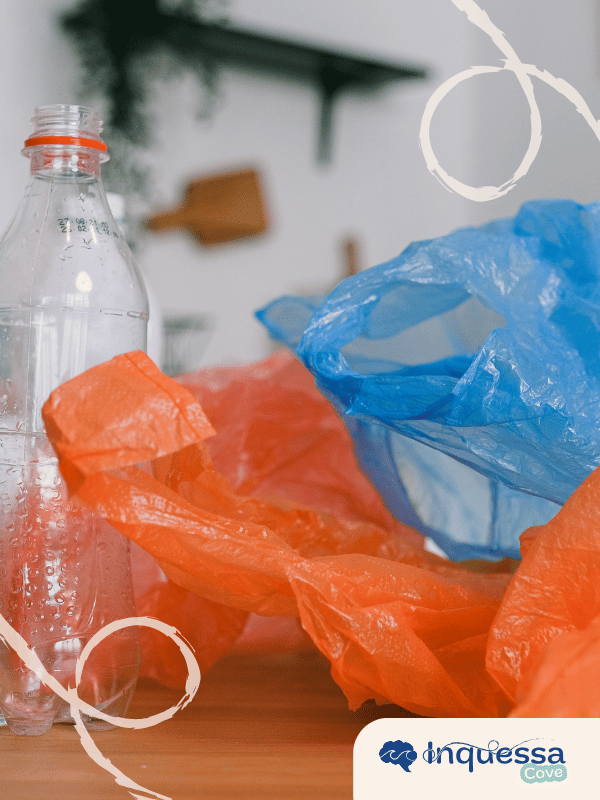
Thin films, small lids, and unusual shapes may move differently through machinery. Sometimes an item simply does not fit the equipment available.
When Recycling Costs More Than It Works
Low-value plastic is worth little after use because recycling it may cost as much as or more than the recovered material is worth.
Collection, sorting, workers, transport, and processing all cost money. If there is little demand for the recycled material, a facility may not have a practical way to recover it.
Why Local Rules Matter
Recycling systems are not identical everywhere. One town may accept a tray or film that another cannot process.
That is why local recycling instructions matter more than simply finding a recycling symbol. Recyclability depends on both the object and the system around it.
Not Every Plastic Fits the System
A plastic item may have a recycling symbol and still be difficult to recycle. Recyclability describes whether an item can be collected and processed so its material can be used again. This means putting something in a recycling bin does not guarantee it can be recycled locally.
Several things can affect recyclability. These include the type of plastic, how an item is made, whether it is dirty, and whether a local facility can process it. Size, shape, color, and the value of the recovered material can matter too.
Different Plastic Types
Plastic is not one single material. Plastics can be grouped into resin categories, including types such as PET, HDPE, PVC, and others with different properties.
Recycling guidance commonly divides plastics into PET, HDPE, PVC, LDPE, PP, PS, and an “Other” category. These plastics can have different properties and may need different recycling processes. A clear bottle and a black plastic tray can therefore behave differently in a recycling system even though both are made of plastic.
A number or symbol can help identify the material, but it does not guarantee that a local facility accepts it. Different facilities are designed to sort and process different kinds of plastic. A plastic type may be recyclable in one community but rejected in another because the equipment, collection system, or market for that material is different.
Mixed Materials and Layers
Some packaging is difficult to recycle because several materials are joined together. Barrier film, a thin protective plastic layer, can make some packaging harder to recycle. It can help block air, moisture, or other substances and protect the product inside.
In some modern juice pouches, an aluminum layer only 0.006 millimeters thick is joined tightly to plastic. Standard mechanical recycling shredders cannot separate these materials. The package works well for protecting its contents, but its layers make recycling much harder.
Food, Liquids, and Small Pieces
Even a recyclable material can cause problems if food or liquid remains inside it. Dirty containers can affect the quality of other materials collected with them. Very small pieces may also be difficult for sorting equipment to identify and separate.
Thin films, small lids, and oddly shaped pieces can move differently through a recycling system than bottles or tubs. These limits are not always caused by someone making a mistake. Sometimes the item itself does not fit the equipment or process available.
When Recycling Costs More Than It Works
Some plastics can be collected and processed, but doing so may cost more than the recovered material is worth. Low-value plastic is worth less in recycling systems because processing it may cost as much as the recovered material.
A recycling system must pay for collection, sorting, equipment, workers, transport, and processing. If there is little demand for the recycled material afterward, facilities may not have a practical reason to recover it. This is another reason recyclability depends on more than the material alone.
Why Local Rules Matter
Recycling systems are not identical everywhere. One community may accept a certain tray, film, or container while another does not. Facilities have different equipment, markets, collection systems, and rules.
That is why local recycling instructions matter more than simply finding a recycling symbol on an item. Whether plastic can become new material depends on both what the item is made from and whether the local system can successfully handle it.
Not Every Plastic Fits the System
A plastic item may have a recycling symbol and still be difficult to recycle. Recyclability describes whether a material can realistically be collected, sorted, processed, and used again within a recycling system. That means a material can be technically recyclable but still not be accepted where someone lives.
Several things affect recyclability, including the type of plastic, how an item is made, whether it is dirty, and whether a local facility can process it. Size, shape, color, and the value of the recovered material can matter too.
Different Plastic Types
Plastic is not one single material. Recycling systems use resin categories to distinguish plastics such as PET, HDPE, PVC, and other polymer types.
Recycling guidance commonly separates plastics into PET, HDPE, PVC, LDPE, PP, PS, and an “Other” category. These plastics can have different properties and may need different recycling processes. A clear bottle and a black plastic tray may therefore behave differently in a recycling system even though both are made of plastic.
A number or symbol can help identify the material, but it does not guarantee that a local facility accepts it. Different facilities are designed to sort and process different kinds of plastic. A plastic type may be recyclable in one community but rejected in another because the equipment, collection system, or market for that material is different.
Mixed Materials and Layers
Some packaging is difficult to recycle because several materials are joined together. Barrier film, a thin material that blocks air, moisture, or other substances, can help protect products inside packaging.
A juice pouch may combine plastic with an extremely thin layer of aluminum. In some modern juice pouches, the aluminum layer is only 0.006 millimeters thick, but it is fused to plastic so tightly that standard mechanical recycling shredders cannot separate the materials. The package works well for protecting its contents, but its layers make recycling much harder.
Food, Liquids, and Small Pieces
Even a recyclable material can cause problems if food or liquid remains inside it. Dirty containers can affect the quality of other materials collected with them. Very small pieces may also be difficult for sorting equipment to identify and separate.
Thin films, small lids, and oddly shaped pieces can move differently through a recycling system than bottles or tubs. These limits are not always caused by someone making a mistake. Sometimes the item itself does not fit the equipment or process available.
When Recycling Costs More Than It Works
Some plastics can be collected and processed, but doing so may cost more than the recovered material is worth. Low-value plastic has relatively little value after use because collecting and recycling it may cost more than the recovered material is worth.
A recycling system must pay for collection, sorting, equipment, workers, transport, and processing. If there is little demand for the recycled material afterward, facilities may not have a practical reason to recover it. This is another reason recyclability depends on more than the material alone.
Why Local Rules Matter
Recycling systems are not identical everywhere. One community may accept a certain tray, film, or container while another does not. Facilities have different equipment, markets, collection systems, and rules.
That is why local recycling instructions matter more than simply finding a recycling symbol on an item. Whether plastic can become new material depends on both what the item is made from and whether the local system can successfully handle it.
Not Every Plastic Fits the System
A plastic item may have a recycling symbol and still be difficult to recycle. Recyclability describes whether a material can realistically be collected, sorted, processed, and used again. Therefore, a plastic can be technically recyclable without being accepted by the recycling system where someone lives.
Several things can affect recyclability. The type of plastic matters, but so do the way an item is made, whether it is dirty, and whether a local facility has the equipment to process it. Size, shape, color, and the value of the recovered material can also affect what happens after collection.
Different Plastic Types
Plastic is not one single material. Recycling systems use resin categories to group plastics by type, including PET, HDPE, PVC, and other plastics with different properties.
Recycling guidance commonly separates plastics into seven resin categories: PET, HDPE, PVC, LDPE, PP, PS, and “Other.” Because these materials have different properties, they may also need different recycling processes. A clear bottle and a black plastic tray can therefore behave differently in a recycling system even though both are plastic.
A number or recycling symbol can help identify the material. However, it does not guarantee that a local facility accepts the item. Different facilities are designed to sort and process different plastics, so a material accepted in one community may be rejected in another because the equipment, collection system, or market is different.
Mixed Materials and Layers
Some packaging is difficult to recycle because several materials are joined together. Barrier film is a thin material that blocks air, moisture, or other substances and can help protect the product inside.
A juice pouch may combine plastic with an extremely thin layer of aluminum. In some modern juice pouches, an aluminum layer only 0.006 millimeters thick is fused tightly to plastic. Standard mechanical recycling shredders cannot separate the two materials. The package may work very well at protecting its contents, while the same joined layers make recycling much more difficult.
Food, Liquids, and Small Pieces
Even a recyclable material can cause problems if food or liquid remains inside it. Dirty containers can affect the quality of paper, cardboard, or other materials collected with them. Very small pieces may also be difficult for sorting equipment to identify and separate correctly.
Thin films, small lids, and oddly shaped pieces can move through a recycling center differently from bottles or tubs. These limits are not always caused by someone putting an item in the wrong place. Sometimes the item itself does not fit the equipment or process available at the facility.
When Recycling Costs More Than It Works
Some plastics can be collected and processed, but doing so may cost more than the recovered material is worth. Low-value plastic has relatively little value after use because collecting and recycling it may cost as much as, or more than, the recovered material is worth.
A recycling system must pay for collection, sorting, equipment, workers, transport, and processing. If there is little demand for the recycled material afterward, recovering it may not be practical. Recyclability therefore depends not only on whether a plastic can technically be processed, but also on whether the larger recycling system can support that process.
Why Local Rules Matter
Recycling systems are not identical everywhere. One community may accept a certain tray, film, or container while another does not. Facilities have different equipment, markets, collection systems, and rules.
That is why local recycling instructions matter more than simply finding a recycling symbol on an item. Whether plastic can become new material depends on both what the item is made from and whether the local system can successfully handle it.
Key Vocabulary
polymer type (noun) A type of plastic based on the polymer from which it is made. (plastic type, material type)
mechanical recycling (noun) ♻️ Recycling that physically sorts, shreds, cleans, and remakes material. (physical recycling, conventional recycling)
fused (adjective) Joined so tightly that materials are difficult to separate. (bonded, joined)
residue (noun) Material left behind on an item, such as food or liquid. (leftover material, remains)
processing cost (noun) The money required to sort, clean, transport, and prepare a material for reuse. (recycling cost, treatment cost)
demand (noun) The amount of a material that buyers or manufacturers want to purchase or use. (market need, buyer interest)
local acceptance (noun) Whether a community’s recycling system accepts a particular item. (accepted locally, local recycling rule)
recycling symbol (noun) ♻️ A symbol or number that can provide information about the material in a plastic item. (resin symbol, material code)
aluminum layer (noun) A very thin layer of aluminum used as part of some multi-layer packaging. (foil layer, metal layer)
thin film (noun) ️ A very thin, flexible layer of material used in packaging. (plastic film, flexible layer)
sorting equipment (noun) ⚙️ Machinery used to identify and separate materials during recycling. (sorting machinery, separation equipment)
recovered material (noun) ♻️ Material collected and processed so it may be used again. (recycled material, recovered resource)
recycling market (noun) The system of buyers and sellers for recovered materials. (recycled-material market, recovery market)
