
Medical Plastics That Are Hard to Replace
About this Article
Lines of Inquiry
- The relationship between medical function and the combination of properties a replacement material must provide.
- Different perspectives involved in deciding whether an alternative is actually safer, more practical, or more sustainable.
- Responsibility for testing replacements carefully before changing materials used in medical care.
Guiding Questions
- Why is finding a different material not enough to make it a good medical replacement?
- Why might transparency, flexibility, sterility, low weight, and reliability all matter at the same time?
- What should be tested before a hospital or manufacturer changes the material used for an important medical product?
Medical Plastics That Are Hard to Replace
Medical Materials Have Special Jobs
Medical plastics can be difficult to replace because a new material often has to do several jobs at once. It is not enough for a replacement to simply use less plastic. It may also need to stay sterile, bend without breaking, remain lightweight, and work safely every time it is used.
Cost and supply matter too. Hospitals need materials that can be made reliably in large amounts and work with equipment that is already in use. A material that works well in one way may not work well in another. Replacing medical plastic means comparing several needs at the same time.
Safety Rules and Sterile Supplies
Medical products must meet health standards, which are requirements designed to protect patients and health-care workers. These standards can set very specific rules for how a product must work.
Some health standards require heart-lung bypass tubing to be completely transparent and flexible. Specialized plastics can meet these needs without breaking. Tubing used with important medical equipment must continue working reliably while it bends and carries fluids.
Sterile supplies create another challenge. Packaging and equipment must stay protected from contamination until they are needed. Any replacement material has to meet the same safety requirements as the material it replaces.
Clear, Flexible, and Lightweight Designs
Medical products often need several useful properties at the same time. Transparent means allowing enough light to pass through so objects on the other side can be seen clearly. Clear tubing or containers can help health-care workers see what is inside without opening or disconnecting them.
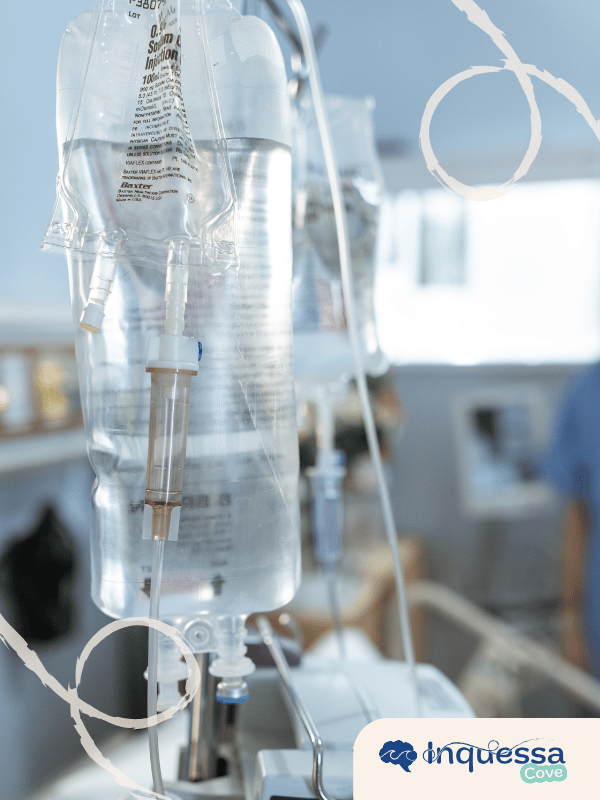
Flexibility can be just as important. PVC has been used for flexible containers that hold IV solutions and blood. The ability to bend and change shape is an important part of how these containers work. Tubing may need to curve around equipment without cracking. Bags may need to collapse as the liquid inside leaves them.
Light weight matters because medical supplies are stored, moved, and handled throughout the day. Plastics can combine transparency, flexibility, and low weight in ways that glass, metal, or paper may not.
What Could Go Wrong With a Poor Replacement
An alternative is another possible option, but it is not automatically safer, cheaper, or better for the environment. A replacement still needs to be tested to see whether it can do the medical job safely.
Glass can work well for some containers, but it is heavier and can break. Metal may be strong, but it cannot replace materials that need to be transparent or easily shaped. Paper can work for some packaging, but it cannot do every job that needs a sealed or moisture-resistant barrier.
A poor replacement might crack, leak, block visibility, lose sterility, or fail while it is being used. In medical care, changing a material without protecting its important functions could create a new safety risk.
Why Careful Change Takes Time
Replacing medical plastics means testing more than one feature. A new material may need to meet safety standards, work with existing equipment, be produced in dependable amounts, and be affordable enough for regular use.
Some medical plastics may have practical replacements. Others are harder to change because they provide several useful properties at the same time. Careful testing helps show whether a new material really improves the situation.
The goal is not simply to replace plastic as quickly as possible. A better replacement needs to reduce unwanted effects without losing the safety and performance that medical care depends on.
Medical Materials Have Special Jobs
Medical plastics can be difficult to replace because a new material often has to do several jobs at once. It is not enough for a replacement to simply use less plastic. It may also need to stay sterile, bend without breaking, remain lightweight, work reliably, and be available in large quantities.
Cost and supply matter too. Hospitals need dependable materials that can be produced consistently and used with existing equipment. A material that works well in one way may fail in another. Replacing medical plastic therefore means comparing several needs at the same time.
Safety Rules and Sterile Supplies
Health standards are requirements designed to protect health and safety. They can affect which materials are suitable for medical use.
Some medical equipment must meet strict requirements for properties such as transparency and flexibility. Heart-lung bypass tubing is one example, and specialized plastics can meet those requirements while remaining reliable during use.
Sterile supplies create another challenge. Packaging and equipment must stay protected from contamination until they are needed. Any replacement material has to meet the same safety requirements as the material it replaces.
Clear, Flexible, and Lightweight Designs
Medical products often need several useful properties at once. Transparent means clear enough for light to pass through so objects on the other side can be seen. Clear tubing or containers can help healthcare workers see what is inside without opening or disconnecting them.
Flexibility can be just as important.
PVC has been used in flexible containers for intravenous solutions and blood, where flexibility is part of the medical job.
Tubing may also need to curve around equipment without cracking, while bags need to change shape as liquid leaves them. Light weight matters because medical supplies are stored, transported, and handled constantly. Plastics can combine these qualities in ways that glass, metal, or paper may not.
What Could Go Wrong With a Poor Replacement
Replacing medical plastic with an alternative does not automatically make it safer or better; the new option must still meet important needs.
Glass can work well for some containers, but it is heavier and can break. Metal may be strong, but it cannot replace materials that need to be clear or easily shaped. Paper may work for some packaging, but it cannot serve every job that requires a sealed or moisture-resistant barrier.
A poor replacement might crack, leak, block visibility, lose sterility, or fail during use. In medical care, changing the material without protecting the function could create a new risk.
Why Careful Change Takes Time
Replacing medical plastics requires testing more than one feature. A new material may need to meet safety standards, work with current equipment, be produced in reliable amounts, and remain affordable enough for regular use.
Some medical plastics may have practical replacements, while others are harder to change because they provide several useful properties at once. Careful testing helps show whether a new material actually improves the situation.
The goal is not simply to replace plastic as quickly as possible. A better replacement must reduce unwanted impacts without giving up the safety and performance that medical care depends on.
Medical Materials Have Special Jobs
Medical plastics can be difficult to replace because a new material often has to do several jobs at once. It is not enough for a replacement to simply use less plastic. It may also need to stay sterile, bend without breaking, remain lightweight, work reliably, and be available in large quantities.
Cost and supply matter too. Hospitals need dependable materials that can be produced consistently and used with existing equipment. A material that performs well in one way may fail in another. That is why replacing medical plastic usually means comparing several needs at the same time.
Safety Rules and Sterile Supplies
Medical products must meet health standards, that is, requirements designed to protect patients and healthcare workers. These standards can set very specific expectations for how a product must perform.
Some medical equipment must meet strict requirements for properties such as transparency and flexibility. Heart-lung bypass tubing is one example, and specialized plastics can meet those requirements while remaining reliable during use.
Sterile supplies create another challenge. Packaging and equipment must stay protected from contamination until they are needed. Any replacement material has to meet the same safety requirements as the material it replaces.
Clear, Flexible, and Lightweight Designs
Medical products often need combinations of properties that are hard to find in one material. Transparent means allowing enough light to pass through for objects on the other side to be seen clearly. Clear tubing or containers can help healthcare workers see what is inside without opening or disconnecting them.
Flexibility can be just as important. PVC has been used in flexible containers for intravenous solutions and blood, where the ability to bend and change shape is part of the medical job. Tubing may also need to curve around equipment without cracking, while bags need to collapse as liquid leaves them.
Light weight matters because medical supplies are stored, transported, and handled constantly. Plastics can combine these qualities in ways that glass, metal, or paper may not.
What Could Go Wrong With a Poor Replacement
An alternative does not automatically mean a safer, cheaper, or more sustainable replacement. It is another possible option whose performance still needs to be evaluated.
Glass can work well for some containers, but it is heavier and can break. Metal may be strong, but it cannot replace materials that need to be clear or easily shaped. Paper may work for some packaging, but it cannot serve every job that requires a sealed or moisture-resistant barrier.
A poor replacement might crack, leak, block visibility, lose sterility, or fail during use. In medical care, changing the material without protecting the function could create a new risk.
Why Careful Change Takes Time
Replacing medical plastics requires testing more than one feature. A new material may need to meet safety standards, work with current equipment, be produced in reliable amounts, and remain affordable enough for regular use.
Some medical plastics may have practical replacements, while others are harder to change because they provide several useful properties at once. Careful testing helps show whether a new material actually improves the situation.
The goal is not simply to replace plastic as quickly as possible. A better replacement must reduce unwanted impacts without giving up the safety and performance that medical care depends on.
Medical Materials Have Special Jobs
Medical plastics can be difficult to replace because a new material often has to do several jobs at once. It is not enough for a replacement simply to use less plastic. It may also need to stay sterile, bend without breaking, remain lightweight, work reliably, and be available in large quantities.
Cost and supply matter too. Hospitals need dependable materials that can be produced consistently and work with existing equipment. A material that performs well in one way may fail in another. Replacing medical plastic therefore usually means comparing several needs at the same time rather than choosing a different material based on one advantage.
Safety Rules and Sterile Supplies
Medical products must meet health standards, requirements designed to protect patients and healthcare workers and make sure medical products can be used safely. These standards can set very specific expectations for how a product must perform.
Some medical equipment must meet strict requirements for properties such as transparency and flexibility. Heart-lung bypass tubing is one example, and specialized plastics can provide both properties while remaining reliable during use. Sterile supplies create another challenge because packaging and equipment must stay protected from contamination until they are needed. Any replacement material has to meet the same safety requirements as the material it replaces.
Clear, Flexible, and Lightweight Designs
Medical products often need a combination of properties that can be difficult to find in one material. Transparent means allowing enough light to pass through for objects on the other side to be seen clearly. Clear tubing or containers can help healthcare workers see what is inside without opening or disconnecting them.
Flexibility can be just as important. PVC has been used in flexible containers for intravenous solutions and blood because bending and changing shape are part of the job those containers must perform. Tubing may need to curve around equipment without cracking, while bags need to collapse as liquid leaves them.
Low weight matters as well because medical supplies are stored, transported, and handled constantly. Plastics can combine transparency, flexibility, low weight, and reliable performance in ways that glass, metal, or paper may not.
What Could Go Wrong With a Poor Replacement
An alternative is another possible option that could serve in place of the original material. Being different does not automatically make an alternative safer, cheaper, or more sustainable. Its performance still has to be tested.
Glass can work well for some containers, but it is heavier and can break. Metal may be strong, but it cannot replace materials that need to be clear or easily shaped. Paper may work for some packaging, but it cannot perform every job that requires a sealed or moisture-resistant barrier.
A poor replacement might crack, leak, block visibility, lose sterility, or fail during use. In medical care, changing the material without protecting the function could create a new risk instead of solving the original problem.
Why Careful Change Takes Time
Replacing medical plastics requires testing more than one feature. A new material may need to meet safety standards, work with current equipment, be produced in reliable amounts, and remain affordable enough for regular use.
Some medical plastics may have practical alternatives, while others are harder to change because they provide several useful properties at once. Careful testing helps show whether a new material actually improves the situation.
The goal is not simply to replace plastic as quickly as possible. A better replacement must reduce unwanted impacts without giving up the safety and performance that medical care depends on.
Key Vocabulary
reliable (adjective) ️ Able to work dependably and consistently when needed. (dependable, trustworthy)
requirement (noun) A condition or rule that must be met. (standard, condition)
intravenous (adjective) Delivered directly into a vein, often through a tube or needle. (IV, into a vein)
bypass tubing (noun) ❤️ Flexible tubing used in medical equipment that temporarily moves blood around part of the heart or lungs. (medical tubing, heart-lung tubing)
visibility (noun) ️ The ability to clearly see something. (clarity, view)
sterility (noun) The condition of being completely free from living microorganisms. (sterile condition, freedom from germs)
moisture-resistant (adjective) Able to resist water or moisture passing through or causing damage. (water-resistant, moisture-blocking)
performance (noun) ⚙️ How well a material or product does the job it was designed to do. (function, effectiveness)
dependable supply (noun) A reliable amount of a material or product that can be provided when it is needed. (steady supply, reliable availability)
trade-off (noun) ⚖️ A situation in which gaining one advantage may involve giving up another. (balance, compromise)
