
Plastic Barriers for Cleanliness and Safety
About this Article
Lines of Inquiry
- The protective role barriers play in keeping medical supplies, food, medicine, and laboratory materials separated from contamination.
- Connections between thin material design, cleanliness, storage, and safety in products that need to remain protected until use.
- Choices about when short-use barriers are necessary and when reuse or reduced material use may still provide enough protection.
Guiding Questions
- How can a very thin layer of plastic protect something for a long period of time?
- Why are some protective barriers designed for one use while others can be cleaned and reused?
- How can reducing waste become more complicated when a product also has an important safety function?
Plastic Barriers for Cleanliness and Safety
Clean Barriers and Sealed Supplies
Cleanliness is not only about washing something after it becomes dirty. In some places, the goal is to stop contamination from reaching a product or surface in the first place. A protective barrier separates something clean or protected from possible contamination. Sealed medical packaging is one example.
Plastic can make thin, strong barriers around supplies while keeping them easy to store and handle. An airtight barrier is a layer that stops air from passing through. An IV fluid bag can be made from medical-grade PVC only about 0.3 millimeters thick. This thin plastic can form an airtight barrier and help keep the fluid inside sterile for up to two years.
Single-Use Items in Some Settings
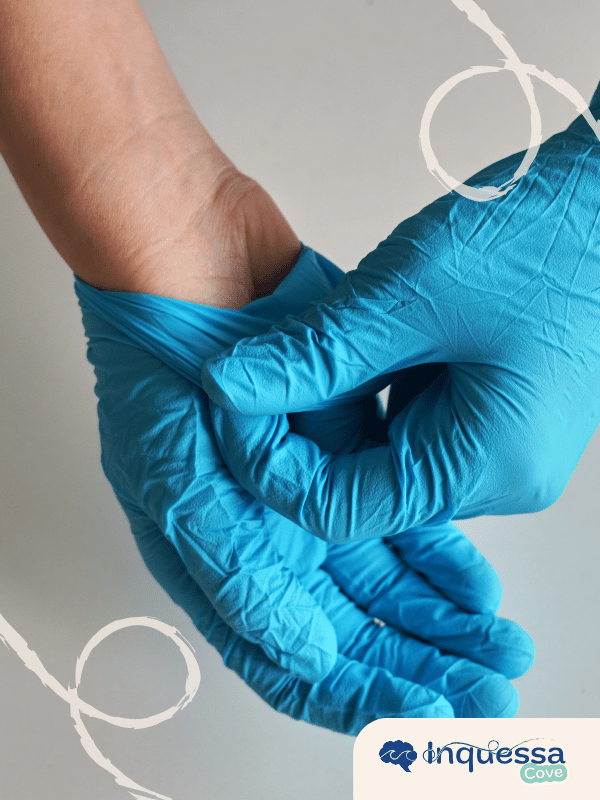
Some protective barriers are designed to be used only once. Gloves, sealed first-aid supplies, and disposable laboratory coverings can create a clean layer between people, tools, samples, or other materials.
Single-use items can be important when something would be difficult to clean completely or when contamination must be carefully controlled. But this does not mean every disposable item is equally necessary. Some products can be washed, sterilized, and reused, while others are made to provide a fresh protective surface for one particular job.
Plastic That Protects Food, Medicine, and Tools
The same basic barrier idea is used outside hospitals. Sealed food packaging can help keep dirt and microorganisms away from food. Medicine packaging can protect tablets, liquids, and other products until they are needed. Laboratories may use plastic containers, pipettes, or coverings to keep materials separated.
School first-aid supplies can use similar designs. A bandage or another clean item may stay sealed until someone opens the package. In each case, the plastic does more than hold the product. It separates something that needs protection from the surroundings.
When Safety Creates Waste
The same features that make single-use barriers useful can also create waste. Once an item has been opened or used, it may no longer be safe to use again.
Sterile drapes are clean coverings placed around a surgical area to help create a protected working space. One major hospital surgery can create about 15 kilograms of plastic waste in only a few hours. Much of this can come from short-use safety items such as sterile drapes, gowns, masks, and other protective supplies. These materials may be used only briefly, but they help keep the area clean and reduce contamination.
Balancing Cleanliness and Impact
Reducing plastic does not always mean removing every protective barrier. In some situations, doing that could create new problems by increasing contamination or making supplies harder to protect.
A better question is which barriers are truly needed, which products can safely be reused, and where designs could use less material without reducing protection. A sealed medical package, a laboratory container, and ordinary packaging do not all face the same risks.
Plastic barriers can solve real cleanliness and safety problems. At the same time, short-use items create waste that still has to be managed. Better decisions depend on considering both needs together.
Clean Barriers and Sealed Supplies
Cleanliness is not only about washing something after it becomes dirty. In some settings, the goal is to stop contamination from reaching a product or surface in the first place. Hospitals may use a protective barrier, such as a sealed covering that keeps a clean tool from contacting contaminants.
Plastic can form thin, strong barriers around supplies while keeping them easy to store and handle. An airtight barrier, a layer designed to block air movement, can protect sealed products from contamination.
An IV fluid bag can be made from PVC only about 0.3 millimeters thick. This thin plastic barrier can keep the fluid inside sterile for up to two years.
Single-Use Items in Some Settings
Some protective barriers are designed to be used once. A pair of gloves, a sealed first-aid item, or a disposable laboratory surface can create a clean layer between people, tools, samples, or other materials.
Single use can be valuable when an item would be difficult to clean completely or when contamination must be carefully controlled. However, this does not mean every disposable item is equally necessary. Some products can be washed, sterilized, and reused, while others are designed to provide a fresh protective surface for one particular task.
Plastic That Protects Food, Medicine, and Tools
The same basic barrier idea appears outside hospitals. Sealed food packaging can help keep outside dirt and microorganisms away from food. Medicine packaging can protect tablets, liquids, or other products until they are needed. Laboratories may use plastic containers, pipettes, or coverings to keep materials separated.
School first-aid supplies can use similar designs. A bandage or other clean item may stay sealed until someone opens the package. In each example, the plastic is doing more than holding the product. It creates separation between something that needs protection and the surroundings.
When Safety Creates Waste
The same features that make single-use barriers useful also create a waste problem. Once an item has been opened or used, it may no longer be safe to use again.
Hospitals may use sterile drapes, clean coverings placed around a medical area to help prevent contamination.
A major hospital surgery can create about 15 kilograms of plastic waste in just a few hours. Much of it comes from short-use safety items such as sterile drapes, gowns, masks, and other protective supplies.
These items may be used only briefly, but they help keep the surgical area clean and reduce contamination. Materials chosen for safety can therefore become waste almost immediately after they have done their job.
Balancing Cleanliness and Impact
Reducing plastic does not always mean removing every protective barrier. In some settings, doing that could create new problems by increasing contamination or making supplies harder to protect.
A more useful question is which barriers are truly needed, which items can safely be reused, and where designs could use less material without reducing protection. A sealed medical package, a laboratory container, and ordinary packaging do not all face the same risks.
Plastic barriers can solve real cleanliness and safety problems. At the same time, short-use items create waste that still has to be managed. Better decisions depend on considering both needs rather than assuming either safety or waste is the only concern.
Clean Barriers and Sealed Supplies
Cleanliness is not only about washing something after it becomes dirty. In some settings, the goal is to stop contamination from reaching a product or surface in the first place. A protective barrier separates something clean or protected from possible contamination, such as sealed medical packaging.
Plastic can form thin, strong barriers around supplies while keeping them easy to store and handle. Packaging may also include an airtight barrier, a layer that prevents air from passing through, to protect food or other contents. An IV fluid bag can be made from PVC only about 0.3 millimeters thick. This thin plastic barrier can keep the fluid inside sterile for up to two years.
Single-Use Items in Some Settings
Some protective barriers are designed to be used once. A pair of gloves, a sealed first-aid item, or a disposable laboratory surface can create a clean layer between people, tools, samples, or other materials.
Single use can be valuable when an item would be difficult to clean completely or when contamination must be carefully controlled. However, this does not mean every disposable item is equally necessary. Different situations have different safety requirements. Some products can be washed, sterilized, and reused, while others are designed to provide a fresh protective surface for one particular task.
Plastic That Protects Food, Medicine, and Tools
The same basic barrier idea appears outside hospitals. Sealed food packaging can help keep outside dirt and microorganisms away from food. Medicine packaging can protect tablets, liquids, or other products until they are needed. Laboratories may use plastic containers, pipettes, or coverings to keep materials separated.
School first-aid supplies can use similar designs. A bandage or other clean item may stay sealed until someone opens the package. In each example, the plastic is doing more than holding the product. It creates separation between something that needs protection and the surroundings.
When Safety Creates Waste
The same features that make single-use barriers useful also create a waste problem. Once an item has been opened or used, it may no longer be safe to use again.
Clean coverings placed around a surgical area are sterile drapes, which help create a protected working area. A major hospital surgery can create about 15 kilograms of plastic waste in just a few hours. Much of it comes from short-use safety items such as sterile drapes, gowns, masks, and other protective supplies.
These items may be used only briefly, but they help keep the surgical area clean and reduce contamination. Materials chosen for safety can therefore become waste almost immediately after they have done their job.
Balancing Cleanliness and Impact
Reducing plastic does not always mean removing every protective barrier. In some settings, doing that could create new problems by increasing contamination or making supplies harder to protect.
The more useful question is which barriers are truly needed, which items can safely be reused, and where designs could use less material without reducing protection. A sealed medical package, a laboratory container, and ordinary packaging do not all face the same risks.
Plastic barriers can solve real cleanliness and safety problems. At the same time, short-use items create waste that still has to be managed. Better decisions depend on considering both needs rather than assuming either safety or waste is the only concern.
Clean Barriers and Sealed Supplies
Cleanliness is not only about washing something after it becomes dirty. In some settings, the goal is to stop contamination from reaching a product or surface in the first place. A protective barrier separates something clean or protected from possible contaminants, such as sealed medical packaging around a sterile tool.
Plastic can form thin, strong barriers around supplies while keeping them easy to store and handle. Packaging may also include an airtight barrier, a layer that prevents air from passing through and helps protect what is inside. An IV fluid bag can be made from PVC only about 0.3 millimeters thick. Even at that thickness, the plastic barrier can keep the fluid inside sterile for up to two years. A very thin layer can therefore perform an important protective job for a long period of time.
Single-Use Items in Some Settings
Some protective barriers are designed to be used once. A pair of gloves, a sealed first-aid item, or a disposable laboratory surface can create a clean layer between people, tools, samples, or other materials.
Single use can be valuable when an item would be difficult to clean completely or when contamination must be carefully controlled. However, this does not mean every disposable item is equally necessary. Different situations have different safety requirements. Some products can be washed, sterilized, and reused, while others are designed to provide a fresh protective surface for one particular task.
Plastic That Protects Food, Medicine, and Tools
The same basic barrier idea appears outside hospitals. Sealed food packaging can help keep outside dirt and microorganisms away from food. Medicine packaging can protect tablets, liquids, or other products until they are needed. Laboratories may use plastic containers, pipettes, or coverings to keep materials separated.
School first-aid supplies can use similar designs. A bandage or another clean item may stay sealed until someone opens the package. In each example, the plastic is doing more than simply holding a product. It creates separation between something that needs protection and the surroundings.
When Safety Creates Waste
The same features that make single-use barriers useful can also create a waste problem. Once an item has been opened or used, it may no longer be safe to use again.
Clean coverings placed around a surgical area are sterile drapes, which help create a protected working area. A major hospital surgery can create about 15 kilograms of plastic waste in only a few hours. Much of this waste comes from short-use safety items such as sterile drapes, gowns, masks, and other protective supplies.
These items may be used only briefly, but they help keep the surgical area clean and reduce contamination. Materials chosen for safety can therefore become waste soon after they have completed their job.
Balancing Cleanliness and Impact
Reducing plastic does not always mean removing every protective barrier. In some settings, doing that could create new problems by increasing contamination or making supplies harder to protect.
A more useful question is which barriers are truly needed, which items can safely be reused, and where designs could use less material without reducing protection. A sealed medical package, a laboratory container, and ordinary packaging do not all face the same risks.
Plastic barriers can solve real cleanliness and safety problems. At the same time, short-use items create waste that still has to be managed. Better decisions depend on considering both needs rather than treating either safety or waste as the only concern.
Key Vocabulary
contaminant (noun) A substance or microorganism that can make something unclean or unsafe. (contamination source, unwanted material)
sealed (adjective) Closed tightly so outside material cannot easily enter. (closed, securely covered)
medical-grade (adjective) Made to meet requirements for use in medical settings. (healthcare quality, clinical grade)
intravenous (adjective) Delivered directly into a vein, often through a tube or needle. (IV, into a vein)
disposable (adjective) ️ Designed to be used for a limited time and then discarded. (single-use, throwaway)
laboratory (noun) A place where scientific tests, measurements, or investigations are carried out. (lab, testing room)
microorganism (noun) A living thing too small to see without a microscope, such as some bacteria or fungi. (microbe, tiny organism)
sterilize (verb) To remove or destroy microorganisms so an item can be safely used in a setting that requires sterility. (make sterile, disinfect completely)
short-use (adjective) ⏱️ Used for only a short period before becoming waste or leaving use. (brief-use, short-lived)
