
Plastic in Hospitals: Clean, Light, Flexible, and Safe
About this Article
Lines of Inquiry
- The functions plastic performs in medical tools, packaging, tubing, gloves, and other healthcare products.
- Connections between material properties such as flexibility, low weight, transparency, and sterility and the safety needs of medical care.
- Decisions about when single-use or reusable products are appropriate within a wider healthcare safety system.
Guiding Questions
- Why are some medical products made from plastic instead of glass, metal, or other materials?
- How can the same material be useful for both flexible tubing and rigid containers?
- Why might a hospital choose a single-use item in one situation but a reusable item in another?
Plastic in Hospitals: Clean, Light, Flexible, and Safe
Plastic in Medical Tools
Hospitals use plastic in many places because medical tools need different qualities. Some need to be light, flexible, protective, or easy to shape. Tubing, syringes, packaging, gloves, and other health-care products can all be examples of medical plastic.
Plastic can be shaped very precisely for tools, containers, connectors, and protective coverings. It can also be made rigid for one job and flexible for another. These qualities help explain why plastic appears in simple items such as sample containers as well as in more complex medical equipment.
Keeping Supplies Sterile
Many medical supplies must stay sterile, which means completely free from living microorganisms. Keeping supplies sterile helps prevent contamination during medical care. Plastic packaging can seal an item after it has been prepared and protect it until someone opens it.
Before plastic syringes became common, hospitals used glass syringes that had to be cleaned and sterilized between uses. Sterile, single-use plastic syringes were introduced in 1955. After that change, hospital-acquired infection rates fell by more than 80 percent. Infection rates tell us how often infections happen within a group and can help show whether medical protections are working.
This is one reason some medical plastic is designed to be used only once. In some situations, reducing the chance of contamination is more important than keeping an item for repeated use.
Flexible Tubes, Bags, and Gloves
Some medical tools need to bend, stretch, or hold liquids without breaking. Plastic can be made flexible enough for tubing, bags, gloves, and other products that need to move with people or equipment.
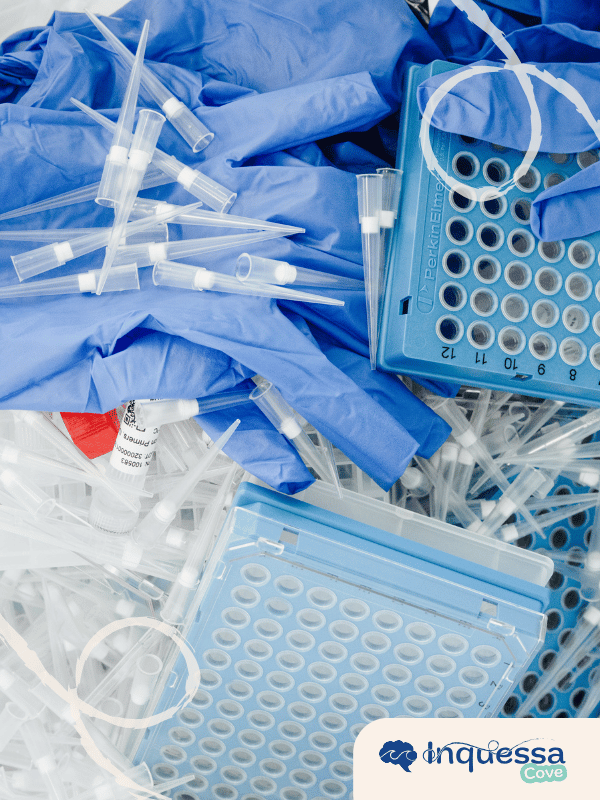
Single-use plastic medical items can include syringes, IV bags, tubing, catheters, surgical gloves, masks, shields, gowns, pipettes, and sample containers. These products do very different jobs, but many depend on plastic because it can be thin, flexible, lightweight, or transparent.
A flexible tube, for example, needs to bend without cracking. A glove needs to move with a person’s hand. Plastic can be designed to provide the particular qualities each medical product needs.
Lightweight Equipment and Packaging
Weight matters in hospitals because supplies and equipment are moved throughout the day. Plastic can make containers, trays, protective covers, and equipment parts lighter than some alternatives made from glass or metal.
Plastic packaging can also protect sterile supplies while keeping them easy to store and transport. Clear plastic lets health-care workers see some items without opening the package.
Lightweight plastic can also reduce breakage compared with glass. These qualities do not mean plastic is always the best material. They help explain why it is often chosen when hospitals need low weight, protection, and precise shapes at the same time.
Why Some Items Are Used Once
Single-use medical items can create waste, but reuse is not always the safest choice in health care. Some products are designed for one use because cleaning and sterilizing them completely would be difficult, or because contamination could put patients or workers at risk.
The choice depends on the job. Hospitals may use some equipment many times while other products are used only once. Plastic can be designed for both kinds of medical needs.
Plastic in a Safety System
Plastic in hospitals is not used only because it is convenient. It can help keep supplies sterile, reduce breakage, allow flexible designs, and protect patients and workers from contamination.
These benefits are part of a larger safety system that also includes cleaning, sterilization, packaging, protective equipment, and careful handling. Plastic is one material inside that system. Its value depends on how well its properties match a particular medical job.
Plastic in Medical Tools
Hospitals use plastic in many places because different medical jobs need materials that are light, flexible, protective, and easy to shape. Medical plastic includes plastic used in health care. Examples include tubing, syringes, protective packaging, gloves, and sterile supplies.
Plastic can be formed into precise shapes for tools, containers, connectors, and protective coverings. It can also be made rigid for one purpose and flexible for another. These properties help explain why plastic appears in both simple items, such as sample containers, and more complex medical equipment.
Keeping Supplies Sterile
Many medical supplies must be sterile, free from living germs that cause contamination. This helps reduce the risk of contamination during care. Plastic packaging can seal an item after it has been prepared and keep it protected until someone opens it for use.
Before disposable plastic syringes became common, reusable glass syringes had to be cleaned and sterilized between uses. After sterile, single-use plastic syringes were introduced in 1955, hospital-acquired infection rates fell by more than 80 percent.
Medical practices can affect infection rates, meaning how often infections happen within a group. This is one reason some medical plastic is designed for one-time use. In certain situations, reducing contamination risk is more important than keeping an item for repeated use.
Flexible Tubes, Bags, and Gloves
Some medical tools need to bend, stretch, or hold liquids without breaking. Plastic can be made flexible enough for tubing, bags, gloves, and other products that need to move with people or equipment.
Single-use plastic medical items can include syringes, IV bags, tubing, catheters, surgical gloves, masks, shields, gowns, pipettes, and sample containers.
These products do different jobs, but many depend on plastic because it can be made thin, flexible, lightweight, or transparent. A flexible tube needs to bend without cracking, while a glove needs to move with a person’s hand.
Lightweight Equipment and Packaging
Weight matters in hospitals because supplies and equipment are moved constantly. Plastic can make containers, trays, protective covers, and parts lighter than some alternatives made from glass or metal.
Plastic packaging can also protect sterile supplies while keeping them easy to store and transport. Clear plastic may allow workers to see what is inside without opening the package. Lightweight materials can reduce breakage as well, especially when compared with glass.
These qualities do not mean plastic is always the best material. They help explain why it is often chosen when hospitals need a combination of low weight, protection, and precise shaping.
Why Some Items Are Used Once
Single-use medical items can seem wasteful when compared with reusable products. In health care, however, reuse is not always the safest option. Some items are designed to be used once because cleaning and sterilizing them reliably would be difficult or because contamination could put patients or workers at risk.
The choice depends on the job. A hospital may reuse some equipment many times while using other items only once. Plastic makes both kinds of designs possible.
Plastic in a Safety System
Plastic in hospitals is not used only for convenience. It can help keep supplies sterile, reduce breakage, allow flexible designs, and protect patients and workers from contamination.
These benefits are part of a larger safety system that includes cleaning, sterilization, packaging, protective equipment, and careful handling. Plastic is one material within that system. Its value comes from how its properties match particular medical needs.
Plastic in Medical Tools
Hospitals use plastic in many places because different medical jobs need materials that are light, flexible, protective, and easy to shape. Tubing, syringes, packaging, gloves, and other health-care products can be examples of medical plastic.
Plastic can be formed into precise shapes for tools, containers, connectors, and protective coverings. It can also be made rigid for one purpose and flexible for another. These properties help explain why plastic appears in both simple items, such as sample containers, and more complex medical equipment.
Keeping Supplies Sterile
Many medical supplies must be kept sterile, completely free from living microorganisms, so they do not introduce contamination during care. Plastic packaging can seal an item after it has been prepared, keeping it protected until someone opens it for use.
Before disposable plastic syringes became common, reusable glass syringes had to be cleaned and sterilized between uses. After sterile, single-use plastic syringes were introduced in 1955, hospital-acquired infection rates fell by more than 80 percent. Infection rates, meaning how often infections occur within a group, can help show whether medical protections are working.
This is one reason some medical plastic is designed for one-time use. In certain situations, reducing the chance of contamination is more important than keeping the item for repeated use.
Flexible Tubes, Bags, and Gloves
Some medical tools need to bend, stretch, or hold liquids without breaking. Plastic can be made flexible enough for tubing, bags, gloves, and other products that need to move with people or equipment.
Single-use plastic medical items can include syringes, IV bags, tubing, catheters, surgical gloves, masks, shields, gowns, pipettes, and sample containers. These products do different jobs, but many depend on plastic because it can be made thin, flexible, lightweight, or transparent.
A flexible tube, for example, needs to bend without cracking, while a glove needs to move with a person’s hand. Plastic gives manufacturers ways to design materials for these specific functions.
Lightweight Equipment and Packaging
Weight matters in hospitals because supplies and equipment are moved constantly. Plastic can make containers, trays, protective covers, and parts lighter than some alternatives made from glass or metal.
Plastic packaging can also protect sterile supplies while keeping them easy to store and transport. Clear plastic may allow workers to see what is inside without opening the package. Lightweight materials can reduce breakage as well, especially when compared with glass.
These qualities do not mean plastic is always the best material. They help explain why it is often chosen when hospitals need a combination of low weight, protection, and precise shaping.
Why Some Items Are Used Once
Single-use medical items can seem wasteful when compared with reusable products. In health care, however, reuse is not always the safest option. Some items are designed to be used once because cleaning and sterilizing them reliably would be difficult or because contamination could put patients or workers at risk.
The choice depends on the job. A hospital may reuse some equipment many times while using other items only once. Plastic makes both kinds of designs possible.
Plastic in a Safety System
Plastic in hospitals is not used only for convenience. It can help keep supplies sterile, reduce breakage, allow flexible designs, and protect patients and workers from contamination.
These benefits are part of a larger safety system that includes cleaning, sterilization, packaging, protective equipment, and careful handling. Plastic is one material within that system. Its value comes from how its properties match particular medical needs.
Plastic in Medical Tools
Hospitals use plastic in many places because different medical jobs need materials that are light, flexible, protective, and easy to shape. Tubing, syringes, packaging, gloves, and other healthcare products can be examples of medical plastic.
Plastic can be formed into precise shapes for tools, containers, connectors, and protective coverings. It can also be made rigid for one purpose and flexible for another. These properties help explain why plastic appears in both simple items, such as sample containers, and more complex medical equipment.
Keeping Supplies Sterile
Many medical supplies must be kept sterile, completely free from living microorganisms, so they do not introduce contamination during care. Plastic packaging can seal an item after it has been prepared, keeping it protected until someone opens it for use.
Before disposable plastic syringes became common, reusable glass syringes had to be cleaned and sterilized between uses. After sterile, single-use plastic syringes were introduced in 1955, hospital-acquired infection rates fell by more than 80 percent. Infection rates describe how often infections occur within a group over a particular period of time.
This is one reason some medical plastic is designed for one-time use. In certain situations, reducing the chance of contamination is more important than keeping the same item for repeated use.
Flexible Tubes, Bags, and Gloves
Some medical tools need to bend, stretch, or hold liquids without breaking. Plastic can be made flexible enough for tubing, bags, gloves, and other products that need to move with people or equipment.
Single-use plastic medical items can include syringes, IV bags, tubing, catheters, surgical gloves, masks, shields, gowns, pipettes, and sample containers. These products do very different jobs, but many depend on plastic because it can be made thin, flexible, lightweight, or transparent.
A flexible tube, for example, needs to bend without cracking, while a glove needs to move with a person’s hand. Plastic gives manufacturers ways to make materials with the different properties these medical jobs require.
Lightweight Equipment and Packaging
Weight matters in hospitals because supplies and equipment are moved constantly. Plastic can make containers, trays, protective covers, and parts lighter than some alternatives made from glass or metal.
Plastic packaging can also protect sterile supplies while keeping them easy to store and transport. Clear plastic may allow healthcare workers to see what is inside without opening the package. Lightweight materials can also reduce breakage, especially when compared with glass.
These qualities do not mean plastic is always the best material for every medical job. They help explain why it is often chosen when hospitals need a combination of low weight, protection, visibility, and precise shaping.
Why Some Items Are Used Once
Single-use medical items can seem wasteful when compared with reusable products. In healthcare, however, reuse is not always the safest option. Some items are designed to be used once because cleaning and sterilizing them reliably would be difficult, or because contamination could put patients or healthcare workers at risk.
The choice depends on the job. A hospital may reuse some equipment many times while using other items only once. Plastic can support both kinds of designs, depending on the safety and performance needs of the product.
Plastic in a Safety System
Plastic in hospitals is not used only for convenience. It can help keep supplies sterile, reduce breakage, allow flexible designs, and protect patients and healthcare workers from contamination.
These benefits are part of a larger safety system that includes cleaning, sterilization, packaging, protective equipment, and careful handling. Plastic is one material within that system. Its value comes from how well its properties match particular medical needs.
Key Vocabulary
contamination (noun) The presence of unwanted germs or other material that can make something unsafe or unclean. (impurity, unwanted material)
sterilization (noun) The process of removing or destroying microorganisms so an item can be safely used in medical care. (sterilizing, germ removal)
sample container (noun) A container used to hold a medical sample for testing or examination. (specimen container, testing container)
catheter (noun) A thin flexible tube used in medical care to carry fluids into or out of the body. (medical tube)
pipette (noun) A small laboratory tool used to move measured amounts of liquid. (liquid-transfer tool, dropper)
transparent (adjective) ️ Clear enough for light to pass through so the contents can be seen. (clear, see-through)
precise (adjective) Made or shaped very accurately for a specific purpose. (exact, accurate)
protective equipment (noun) Equipment worn or used to help reduce exposure to contamination or other risks. (safety equipment, protective gear)
reusable (adjective) Designed to be cleaned or prepared and used again rather than discarded after one use. (multi-use, able to be reused)
healthcare worker (noun) ⚕️ A person whose work involves caring for patients or supporting medical services. (medical worker, care professional)
