
The Plastic in Your Clothes
About this Article
Lines of Inquiry
- How plastic can be transformed into fibers that look and feel very different from hard plastic objects.
- How synthetic fibers are manufactured, spun, woven, or knitted into textiles.
- How recognizing plastic-based fibers changes our understanding of where plastic appears in everyday life.
Guiding Questions
- How can the same broad material family produce both hard plastic objects and soft fabric?
- Why might synthetic fibers be useful for clothing such as sportswear, raincoats, fleece, or swimsuits?
- Why can it be difficult to tell whether a fabric contains plastic just by looking at or touching it?
The Plastic in Your Clothes
Plastic You Can Wear
Plastic does not always look like a bottle, bag, or hard container. Some plastic is made into fibers that are thin and flexible enough to become part of clothing.
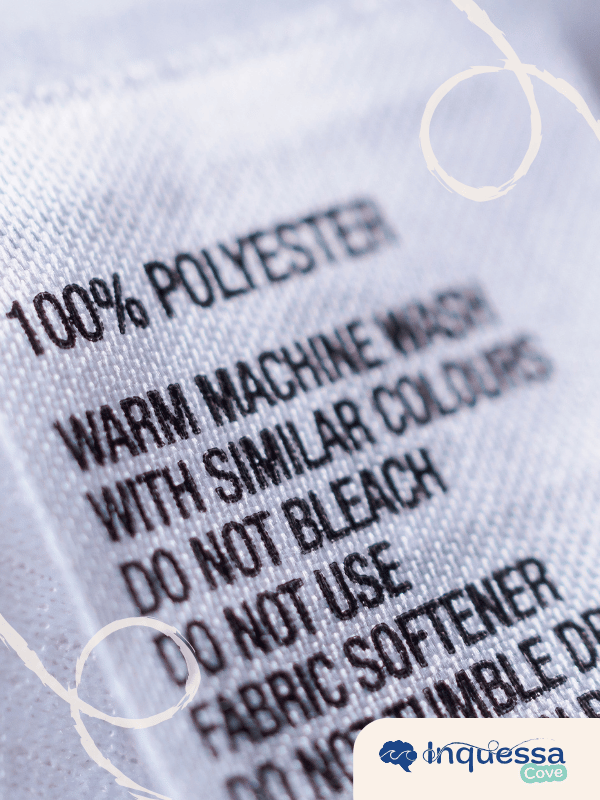
A sports shirt, fleece jacket, pair of leggings, swimsuit, raincoat, backpack, or school uniform may contain plastic-based material. The fabric does not usually look or feel like a plastic bag because the plastic has been made into very thin fibers and then turned into cloth.
Synthetic fibers make up about 64 percent of global fiber production. This means much of the world’s fabric begins with human-made materials instead of cotton, wool, or linen.
This changes the way we think about everyday plastic. Some plastic is soft, flexible, and wearable.
From Plastic Material to Fiber
A synthetic fiber is a fiber made from human-made materials, including many kinds of plastic. This is different from natural fibers that come from plants or animals.
To make fabric, the material is formed into very thin strands. These strands can then be spun, woven, or knitted into cloth.
Changing plastic into fiber gives it different qualities from a hard plastic object. The finished fabric can be soft, stretchy, warm, smooth, or resistant to water.
Global fiber production means making textile fibers around the world for use in fabrics and clothing. Some of these fibers come from natural sources, while many others are manufactured.
Clothes That Use Synthetic Fibers
Synthetic fibers are used in many kinds of clothing because they can have useful properties. Sportswear may need to stretch and dry quickly. Raincoats need to resist water. Fleece can provide warmth without being very heavy. Swimsuits need fabric that can stretch and keep its shape.
Synthetic fibers are also found outside clothing. Textiles are materials made from fibers or threads. They include clothing, carpets, curtains, bedding, and other fabric products.
Everyday textiles that may contain synthetic fibers include sportswear, raincoats, shoes, jeans, curtains, and bedlinen.
Some fabrics mix synthetic and natural fibers together. Looking at a piece of cloth is not always enough to tell exactly what it contains.
Why This Changes How We See Plastic
Recognizing synthetic fabric as part of the plastic system changes what counts as an everyday plastic item.
Plastic is not only shaped into bottles, packaging, or containers. It can also be made into soft fibers that become part of clothes and other textiles.
This does not mean all clothing is plastic. Cotton, wool, linen, and other natural fibers are still widely used. Many fabrics also combine natural and synthetic materials.
The important idea is that plastic can take forms that are easy to miss. A fabric can feel soft, flexible, and comfortable while still containing plastic-based fibers.
Plastic You Can Wear
Plastic does not always look like a bottle, bag, or hard container. Some plastic is made into fibers so thin and flexible that they can become part of clothing.
That means a sports shirt, fleece jacket, pair of leggings, swimsuit, raincoat, backpack, or school uniform may contain plastic-based material. The fabric usually does not look or feel like a plastic bag because the plastic has been made into tiny fibers and then turned into cloth.
Synthetic fibers make up about 64 percent of global fiber production, so much of the world’s fabric begins with human-made materials rather than cotton, wool, or linen.
From Plastic Material to Fiber
Unlike natural fibers such as cotton or wool, synthetic fiber is manufactured from human-made materials.
To make fabric, the material is formed into very thin strands. These strands can then be spun, woven, or knitted into cloth. Changing plastic into fiber gives it very different qualities from a hard plastic object. The finished fabric can be soft, stretchy, warm, smooth, or water-resistant.
Global fiber production makes textile fibers in many countries. These fibers supply clothing and fabric industries. Some fibers come from natural sources, while many others are manufactured.
Clothes That Use Synthetic Fibers
Synthetic fibers appear in many kinds of clothing because manufacturers can give them useful properties. Sportswear may need to stretch and dry quickly. Raincoats need to resist water. Fleece can provide warmth without being very heavy, while swimsuits need fabric that can stretch and keep its shape.
Textiles, materials formed into cloth or fabric, can include plastic-based fibers used in clothing. Backpacks, shoes, curtains, and bedding can also contain them.
Everyday textiles that may contain synthetic fibers include sportswear, raincoats, shoes, jeans, curtains, and bedlinen.
Some products combine synthetic and natural fibers, so looking at a piece of fabric may not reveal exactly what it contains.
Why This Changes How We See Plastic
Recognizing synthetic fabric as part of the plastic system changes what counts as an everyday plastic item. Plastic is not only something shaped into bottles or packaging. It can also be turned into soft fibers that become part of objects people wear and use every day.
This does not mean all clothing is plastic. Cotton, wool, linen, and other natural fibers are still widely used, and many fabrics mix natural and synthetic materials together.
The important reveal is that plastic can take forms that are easy to overlook. A fabric may feel soft, flexible, and comfortable while still containing plastic-based fibers. Once clothing is included, the amount of plastic in everyday life becomes much less obvious than simply counting bottles, bags, and containers.
Plastic You Can Wear
Plastic does not always look like a bottle, bag, or hard container. Some of it is made into fibers so thin and flexible that they can become part of clothing.
That means a sports shirt, fleece jacket, pair of leggings, swimsuit, raincoat, backpack, or school uniform may contain plastic-based material. The fabric usually does not look or feel like a plastic bag because the plastic has been manufactured into tiny fibers and then made into cloth.
Synthetic fibers make up about 64 percent of global fiber production, so much of the world’s fabric begins with human-made materials rather than cotton, wool, or linen.
From Plastic Material to Fiber
Unlike natural fibers that come from plants or animals, synthetic fiber is manufactured from human-made materials, including many forms of plastic.
To make fabric, the material is formed into very thin strands. These strands can then be spun, woven, or knitted into cloth. Changing plastic into fiber gives it very different qualities from a hard plastic object. The finished fabric can be soft, stretchy, warm, smooth, or water-resistant.
Clothing depends on global fiber production, making textile fibers across many regions for use in fabrics and garments. Some of these fibers come from natural sources, while many others are manufactured.
Clothes That Use Synthetic Fibers
Synthetic fibers appear in many kinds of clothing because manufacturers can give them useful properties. Sportswear may need to stretch and dry quickly. Raincoats need to resist water. Fleece can provide warmth without being very heavy, while swimsuits need fabric that can stretch and keep its shape.
Synthetic fibers are not limited to clothing. Textiles, materials made from fibers or threads, are used in products such as clothing, carpets, and furnishings. Backpacks, shoes, curtains, and bedding can also contain them.
Everyday textiles that may contain synthetic fibers include sportswear, raincoats, shoes, jeans, curtains, and bedlinen.
Some products combine synthetic and natural fibers, so looking at a piece of fabric may not reveal exactly what it contains.
Why This Changes How We See Plastic
Recognizing synthetic fabric as part of the plastic system changes what counts as an everyday plastic item. Plastic is not only something shaped into bottles or packaging. It can also be turned into soft fibers that become part of objects people wear and use every day.
This does not mean all clothing is plastic. Cotton, wool, linen, and other natural fibers are still widely used, and many fabrics mix natural and synthetic materials together.
The important reveal is that plastic can take forms that are easy to overlook. A fabric may feel soft, flexible, and comfortable while still containing plastic-based fibers. Once clothing is included, the amount of plastic in everyday life becomes much less obvious than simply counting bottles, bags, and containers.
Plastic You Can Wear
Plastic does not always look like a bottle, bag, or hard container. Some plastic is made into fibers so thin and flexible that it can become part of clothing. A sports shirt, fleece jacket, pair of leggings, swimsuit, raincoat, backpack, or school uniform may therefore contain plastic-based material.
The finished fabric usually does not look or feel like a plastic bag because the material has been manufactured into very fine fibers and then made into cloth. Synthetic fibers make up about 64 percent of global fiber production, so much of the world’s fabric begins with human-made materials rather than cotton, wool, or linen.
From Plastic Material to Fiber
A synthetic fiber is manufactured from processed materials rather than obtained directly from plants or animals, unlike natural fibers such as cotton or wool. Many synthetic fibers are made from plastic-based materials.
To make fabric, the material is formed into very thin strands that can then be spun, woven, or knitted into cloth. Changing plastic into fiber gives it very different qualities from a hard plastic object. The finished material can be soft, stretchy, warm, smooth, or resistant to water.
Global fiber production is the large-scale production of textile fibers around the world for use in fabrics and other products. Some of these fibers come from natural sources, while many others are manufactured.
Clothes That Use Synthetic Fibers
Synthetic fibers appear in many kinds of clothing because manufacturers can give them useful properties. Sportswear may need to stretch and dry quickly. Raincoats need to resist water. Fleece can provide warmth without being very heavy, while swimsuits need fabric that stretches and keeps its shape.
Synthetic fibers are not limited to clothing. Textiles are materials made from fibers or threads, including fabrics used for clothing, carpets, bedding, and furnishings. Backpacks, shoes, curtains, and other everyday products may also contain them. Everyday textiles that may contain synthetic fibers include sportswear, raincoats, shoes, jeans, curtains, and bedlinen.
Some products combine synthetic and natural fibers, so looking at a piece of fabric does not always reveal exactly what it contains.
Why This Changes How We See Plastic
Recognizing synthetic fabric as part of the plastic system changes what counts as an everyday plastic item. Plastic is not only shaped into bottles, containers, or packaging. It can also become soft, flexible fibers that are woven or knitted into things people wear and use every day.
This does not mean all clothing is plastic. Cotton, wool, linen, and other natural fibers remain widely used, and many fabrics combine natural and synthetic materials. The important reveal is that plastic can take forms that are easy to overlook. Once clothing and other textiles are included, everyday plastic use becomes much less obvious than simply counting bottles, bags, and containers.
Key Vocabulary
natural fiber (noun) A fiber that comes from a plant or animal, such as cotton, wool, or linen. (plant fiber, animal fiber)
strand (noun) A long, thin piece of material, such as a fiber or thread. (fiber, thread)
spin (verb) To twist fibers together to make thread or yarn. (twist, make yarn)
woven (adjective) Made by crossing threads over and under one another. (interlaced, woven together)
knitted (adjective) Made by looping yarn or thread together. (looped, knit)
fabric (noun) Material made from fibers or threads and used for clothing or other textile products. (cloth, material)
water-resistant (adjective) ️ Able to resist some water from passing through. (water-repellent, moisture-resistant)
blend (noun) A material made by combining two or more different fibers. (mixture, combination)
manufactured (adjective) Made through a human-controlled production process. (produced, human-made)
garment (noun) A piece of clothing. (clothing item, article of clothing)
furnishing (noun) ️ A fabric-based item used in a home or building, such as curtains or upholstery. (household textile, interior item)
