
Why Takeout Food Uses So Much Plastic
About this Article
Lines of Inquiry
- How different pieces of takeout packaging solve different transport, cleanliness, and convenience problems.
- How plastic can be present even when a package appears to be made mainly from another material.
- How repeated small extras can add to the total waste created by takeout systems.
Guiding Questions
- Why can one takeout meal require several different pieces of packaging?
- How can a very thin plastic layer change the way a paper package works?
- Why can small extras become a large waste issue when they are included across many meals?
Why Takeout Food Uses So Much Plastic
A Meal With Many Pieces
A single takeout meal can use more packaging than it first seems.
Takeout is food that is prepared, packaged, and carried away instead of being eaten where it was made.
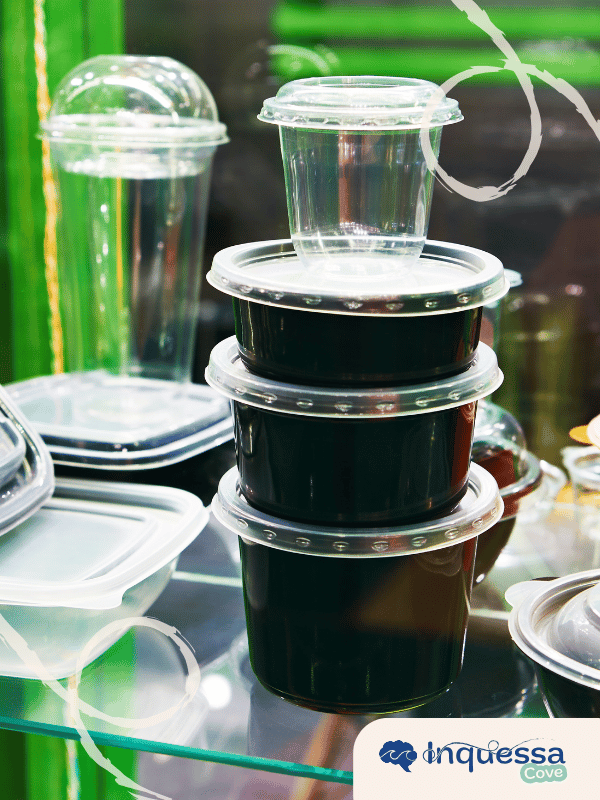
One order might need a container for the food, a cup for a drink, lids to stop spills, and a bag to hold everything together. Utensils or sauce packets may be added too.
Each piece has its own job. Together, one meal can quickly involve several separate items.
Containers, Lids, Bags, and Utensils
Different parts of a takeout order solve different problems.
Containers keep foods separated and help prevent crushing. Lids keep food and drinks inside while they are carried. Bags make several items easier to move together. Utensils help people eat away from home.
Restaurants may also include straws, sauce packets, or other small extras. Not every meal needs every item, but food businesses prepare for many kinds of orders.
Plastic works well for these jobs because it can be light, strong, inexpensive, and shaped in many ways.
Keeping Food Clean and Carryable
Takeout packaging must do more than hold food. It may need to contain grease or liquid, protect food from outside contamination, and stay strong while the meal is carried.
Sometimes plastic is used even when the main package looks like another material.
A plastic lining is a thin layer of plastic added to another material. It can help stop moisture or liquid from soaking through.
A plastic lining only 0.02 millimeters thick inside a paper soup bowl can keep hot liquid from soaking through the paper.
A very small amount of plastic can help another material do a job it could not easily do by itself.
Delivery and Busy Routines
Takeout packaging is part of routines that move food away from where it was prepared.
People may pick up meals on the way home, eat while traveling, or have food delivered to a home or workplace.
Delivery adds more challenges. Drinks need to stay upright. Sauces need to stay inside containers. Hot and cold foods may need separate packaging.
Packaging makes these routines possible, but it can also mean more material is used for a meal that is eaten only once.
Why Small Extras Add Up
A sauce packet, straw, lid, or utensil may seem too small to matter. But these items are used again and again across many meals.
Some extras are handed out automatically. They may even be thrown away without being used.
When many restaurants and customers use these small items every day, the total amount can grow quickly.
The Waste After Takeout
After the meal is eaten, most of the packaging has finished its job. Cups, lids, containers, bags, wrappers, and small extras may all become waste at once.
Food and drink plastics are very common shoreline litter in many countries.
This does not mean every takeout item becomes litter. It shows that food-related plastic appears often in waste found along shorelines.
Takeout packaging solves real problems with transport, cleanliness, speed, and convenience. The trade-off is that several useful pieces can become several pieces of waste after just one meal.
A Meal With Many Pieces
A single takeout meal can create more packaging than it first appears to. Takeout is food prepared to be eaten somewhere else. It is part of a food-service system that often uses containers, lids, bags, and utensils.
One order might need a container for food, a separate cup for a drink, lids to prevent spills, and a bag to hold everything together. Utensils or sauce packets may be added too. Each piece has its own job, so one meal can quickly involve several separate items. This helps explain why takeout food can create much more packaging than the food itself suggests.
Containers, Lids, Bags, and Utensils
Different parts of a takeout order solve different problems. Containers keep foods separated and help prevent crushing. Lids keep food or drinks inside during transport. Bags make several items easier to carry together, while utensils allow people to eat away from home.
Restaurants may also include straws, sauce packets, or other small items. Not every meal needs every piece, but food businesses often prepare for many kinds of orders and customer needs. Plastic works well for these jobs because it can be light, strong, inexpensive, and shaped into many different forms.
Keeping Food Clean and Carryable
Takeout packaging must do more than hold food. It may need to contain grease or liquid, protect food from outside contamination, and stay strong while the meal is carried.
Plastic lining, a thin plastic layer added inside packaging, can create a barrier between food and outer materials.
A plastic lining only 0.02 millimeters thick inside a paper soup bowl can keep hot liquid from soaking through the paper.
A very small amount of plastic can therefore help another material perform a job it could not easily do alone.
Delivery and Busy Routines
Takeout packaging has become closely connected with routines that move food away from where it was prepared. People may collect meals on the way home, eat during travel, or have food delivered directly to a home or workplace.
Delivery adds another challenge because meals may need to stay together while being moved for longer distances. Drinks cannot spill, sauces must stay contained, and hot or cold foods may need separate containers. Packaging makes these routines possible, but it also means more material may be used for a meal that is eaten only once.
Why Small Extras Add Up
A sauce packet, straw, lid, or utensil may seem too small to matter. Yet these pieces are used again and again across large numbers of meals.
Small extras can also be easy to overlook because they are handed out automatically or included inside a bag. When many restaurants and customers use them every day, the total amount grows quickly. Some items may never even be used before being thrown away.
The Waste After Takeout
After the meal is eaten, most of the packaging has finished its job. Cups, lids, containers, bags, wrappers, and small extras may all become waste at once.
Food and drink plastics are among the most common kinds of shoreline litter across many different countries.
This does not mean every takeout item becomes litter, but it shows how widely food-related plastic can appear after use.
Takeout packaging solves real problems involving transport, cleanliness, speed, and convenience. The trade-off is that several useful pieces can become several pieces of waste after just one meal.
A Meal With Many Pieces
A single takeout meal can create more packaging than it first appears to. A meal prepared, packaged, and carried away rather than eaten where it was made is an example of takeout.
One order might need a container for food, a separate cup for a drink, lids to prevent spills, and a bag to hold everything together. Utensils or sauce packets may be added too. Each piece has its own job, so one meal can quickly involve several separate items. This helps explain why takeout food can create much more packaging than the food itself suggests.
Containers, Lids, Bags, and Utensils
Different parts of a takeout order solve different problems. Containers keep foods separated and help prevent crushing. Lids keep food or drinks inside during transport. Bags make several items easier to carry together, while utensils allow people to eat away from home.
Restaurants may also include straws, sauce packets, or other small items. Not every meal needs every piece, but food businesses often prepare for many kinds of orders and customer needs. Plastic works well for these jobs because it can be light, strong, inexpensive, and shaped into many different forms.
Keeping Food Clean and Carryable
Takeout packaging must do more than hold food. It may need to contain grease or liquid, protect food from outside contamination, and stay strong while the meal is carried.
Sometimes plastic is used even when the main package looks like another material. A plastic lining, a thin plastic layer added to another material, can help protect a package from moisture or leaks.
A plastic lining only 0.02 millimeters thick inside a paper soup bowl can keep hot liquid from soaking through the paper.
A very small amount of plastic can therefore help another material perform a job it could not easily do alone.
Delivery and Busy Routines
Takeout packaging has become closely connected with routines that move food away from where it was prepared. People may collect meals on the way home, eat during travel, or have food delivered directly to a home or workplace.
Delivery adds another challenge because meals may need to stay together while being moved for longer distances. Drinks cannot spill, sauces must stay contained, and hot or cold foods may need separate containers. Packaging makes these routines possible, but it also means more material may be used for a meal that is eaten only once.
Why Small Extras Add Up
A sauce packet, straw, lid, or utensil may seem too small to matter. Yet these pieces are used repeatedly across large numbers of meals.
Small extras can also be easy to overlook because they are handed out automatically or included inside a bag. When many restaurants and customers use them every day, the total amount grows quickly. Some items may never even be used before being thrown away.
The Waste After Takeout
After the meal is eaten, most of the packaging has finished its job. Cups, lids, containers, bags, wrappers, and small extras may all become waste at once.
Food and drink plastics are among the most common kinds of shoreline litter across many different countries.
This does not mean every takeout item becomes litter, but it shows how widely food-related plastic can appear after use.
Takeout packaging solves real problems involving transport, cleanliness, speed, and convenience. The trade-off is that several useful pieces can become several pieces of waste after just one meal.
A Meal With Many Pieces
A single takeout meal can create more packaging than it first appears to. Takeout is food prepared for customers to carry away or have delivered rather than eat where it was made. One order might include a container for food, a separate cup for a drink, lids to prevent spills, and a bag to hold everything together.
Utensils, straws, or sauce packets may be added as well. Each piece has its own purpose, so one meal can quickly involve several separate items. This helps explain why takeout food can create much more packaging than the meal itself might suggest.
Containers, Lids, Bags, and Utensils
Different parts of a takeout order solve different problems. Containers keep food together and help prevent crushing, lids keep food or drinks inside during transport, and bags make several items easier to carry at once.
Restaurants may also provide utensils, straws, or small sauce packets. Not every meal needs every item, but food businesses have to prepare for many kinds of orders and customer needs. Plastic works well for these jobs because it can be light, strong, inexpensive, and shaped into many different forms.
Keeping Food Clean and Carryable
Takeout packaging must do more than hold food. It may need to contain grease or liquid, protect food from outside contamination, and remain strong while the meal is carried or delivered.
Sometimes plastic is used even when the main package appears to be made from another material. A plastic lining is a thin layer of plastic added to another material to provide protection from moisture or leaks. A plastic lining only 0.02 millimeters thick inside a paper soup bowl can keep hot liquid from soaking through the paper. Even a very thin layer of plastic can change how the package works.
Delivery and Busy Routines
Takeout packaging is closely connected with routines that move food away from where it was prepared. People may collect meals on the way home, eat while traveling, or have food delivered directly to a home or workplace.
Delivery adds another challenge because meals may need to stay together while being moved over longer distances. Drinks cannot spill, sauces need to remain contained, and hot or cold foods may require separate containers. Packaging makes these routines possible, but it can also mean that several materials are used for a meal eaten only once.
Why Small Extras Add Up
A sauce packet, straw, lid, or utensil may seem too small to matter, yet these pieces are used repeatedly across large numbers of meals. They can also be easy to overlook because they are handed out automatically or placed inside a bag.
When many restaurants and customers use these items every day, the total amount grows quickly. Some extras may not even be used before they are thrown away, but they still become part of the waste created by the meal.
The Waste After Takeout
After the meal is eaten, most of the packaging has finished its job. Cups, lids, containers, bags, wrappers, and small extras may all become waste at the same time.
Food and drink plastics are among the most common kinds of shoreline litter in many countries. This does not mean every takeout item becomes litter, but it does show how widely food-related plastic can appear after use. Takeout packaging solves real problems involving transport, cleanliness, speed, and convenience, while several useful pieces can become several pieces of waste after just one meal.
Key Vocabulary
container (noun) An object used to hold, protect, or carry food or another product. (holder, package)
lid (noun) A cover placed over a container or cup to help keep the contents inside. (cover, top)
utensil (noun) A tool used for eating or serving food, such as a fork or spoon. (eating tool, cutlery)
sauce packet (noun) A small sealed package containing sauce or another condiment. (condiment packet)
grease (noun) Oily material from food that can soak into some kinds of packaging. (oil, fat)
moisture (noun) A small amount of water or liquid in or around a material. (dampness, water)
barrier (noun) ️ Something that blocks or slows the movement of liquid, air, or another substance. (protective layer, shield)
delivery (noun) The process of bringing food or goods from one place to another. (transport, drop-off)
automatic (adjective) Happening as part of a normal routine without a separate decision each time. (routine, default)
extra (noun) ➕ An additional item that is not always necessary for the main job. (addition, add-on)
carryable (adjective) Easy enough to hold and move from one place to another. (portable, easy to carry)
