
Plastic That Helps Food Last Longer
About this Article
Lines of Inquiry
- How plastic packaging can protect food from moisture loss, contamination, and physical damage.
- How lightweight packaging can support food transport while helping reduce spoilage and bruising.
- How packaging can solve one problem during use while creating another problem after disposal.
Guiding Questions
- How can a very thin layer of plastic help food stay fresh for longer?
- Why does packaging matter during both storage and transportation?
- How can the same package reduce food waste while also creating long-lasting plastic waste?
Plastic That Helps Food Last Longer
Why Food Spoils
Fresh food does not stay fresh forever. Berries can grow mold, bread can become stale, and prepared food can change over time.
When food loses freshness or safety because of air, moisture, microorganisms, or other conditions, this is called food spoilage.
Different foods spoil in different ways. Some lose water and dry out. Others are damaged by too much moisture, air, or microorganisms. Packaging cannot stop every change, but it can slow some of them. This can give food more time to be moved, sold, stored, and eaten.
Packaging as a Barrier
Plastic packaging can form a barrier, a layer that helps protect food from moisture, air, contamination, or physical damage.
A thin layer of plastic may not look important, but it can change how quickly food loses freshness.
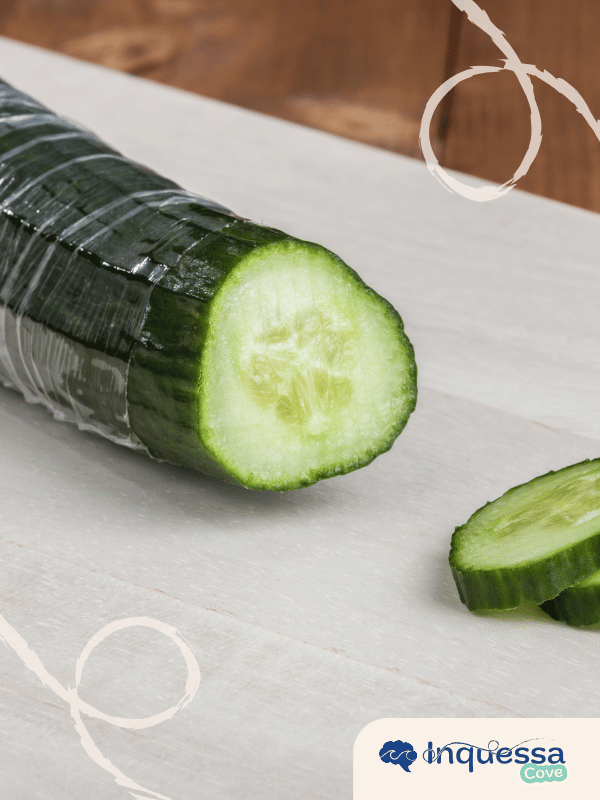
Wrapping a fresh cucumber in a thin layer of polyethylene plastic can slow water loss. This can extend its shelf life from about 3 days to as long as 14 days.
In this example, a small amount of packaging helps the cucumber stay usable for much longer.
Protecting Food During Travel and Storage
Food often travels before it reaches a kitchen. It may move from a farm or factory to warehouses, shops, schools, or homes.
Packaging can help protect food from crushing, leaks, dirt, and other damage. Contamination happens when harmful or unwanted substances get into food, water, or another material and make it less safe or lower its quality.
Plastic film can help protect food from bruising during long trips. Plastic packaging is also very light. It can reduce the total weight of a food shipment by up to 70 percent compared with glass or metal packaging.
Lighter packaging can make large shipments easier to move while still protecting the food inside.
The Trade-Off After the Food Is Eaten
Packaging can help food last longer, but the package does not disappear after its job is finished. Once the food is eaten, the wrapper, film, or container may become waste.
Plastic film may keep a loaf of bread fresh for a few extra days. But the same packaging can remain in a landfill for up to 400 years after the bread is eaten.
This creates a trade-off. Packaging may help prevent food from being wasted, but it can also create long-lasting plastic waste.
That does not mean plastic packaging is always good or always bad. Its value depends partly on what it protects, how much food it helps preserve, and what happens to the packaging afterward.
Why Food Spoils
Fresh food does not stay fresh forever. Berries can grow mold, bread can become stale, and cut or prepared foods can change over time. Food can change because of microorganisms, air, moisture, or other conditions until its quality or safety decreases. This change is called food spoilage.
Different foods spoil in different ways. Some lose water and dry out. Others are damaged by too much moisture, exposure to air, or microorganisms. Packaging cannot stop every change, but it can slow some of them. This can give food more time to be transported, sold, stored, and eaten before it must be thrown away.
Packaging as a Barrier
Packaging acts as a barrier, helping protect food from moisture, air, contamination, and physical damage. A thin film around food may look unnecessary, but sometimes that layer changes how quickly the food loses freshness.
Cucumbers are one example.
Wrapping a fresh cucumber in a thin layer of polyethylene plastic can help keep water inside the cucumber from evaporating. This can extend its shelf life from about 3 days to as long as 14 days.
A small amount of packaging can therefore help prevent some food from spoiling before it is eaten.
Protecting Food During Travel and Storage
Food also needs protection before it reaches a kitchen. It may travel from a farm or factory to warehouses, shops, schools, or homes. During that journey, packaging can help prevent crushing, leaks, dirt, and other damage.
Contamination occurs when harmful or unwanted substances get into something and make it less safe or clean. Packaging can help limit contact with substances that should not reach the food.
Plastic film can help protect food from bruising during long-distance shipping. Because plastic packaging is so light, it can reduce the total weight of a food shipment by up to 70 percent compared with glass or metal packaging.
Lighter packaging can make large shipments easier to move while still protecting the food inside.
The Trade-Off After the Food Is Eaten
Packaging can help food last longer, but the package does not disappear when its job is finished. Once the food has been eaten, the wrapper, film, or container may become waste.
Plastic film may keep a loaf of bread fresh for a few extra days, but that same piece of packaging can remain in a landfill for up to 400 years after the bread is eaten.
This creates a trade-off. Packaging may help prevent food from being wasted, yet it can create long-lasting plastic waste at the same time.
That does not mean plastic packaging is always good or always bad. Its value depends partly on what it protects, how much food it helps preserve, and what happens to the packaging afterward. The challenge is that solving one problem, such as food spoilage, can sometimes create another.
Why Food Spoils
Fresh food does not stay fresh forever. Berries can grow mold, bread can become stale, and cut or prepared foods can change over time. When microorganisms, air, moisture, or other conditions cause food to lose freshness or safety, the change is called food spoilage.
Different foods spoil in different ways. Some lose water and dry out. Others are damaged by too much moisture, exposure to air, or microorganisms. Packaging cannot stop every change, but it can slow some of them. That can give food more time to be transported, sold, stored, and eaten before it must be thrown away.
Packaging as a Barrier
Plastic packaging can form a barrier, protecting food from moisture, air, contamination, or physical damage. A thin film around food may look unnecessary, but sometimes that layer changes how quickly the food loses freshness.
Cucumbers are one example.
Wrapping a fresh cucumber in a thin layer of polyethylene plastic can help keep water from inside the cucumber evaporating. This extends its shelf life from about 3 days to as long as 14 days.
A small amount of packaging can therefore help prevent some food from spoiling before it is eaten.
Protecting Food During Travel and Storage
Food also needs protection before it reaches a kitchen. It may travel from a farm or factory to warehouses, shops, schools, or homes. During that journey, packages can help prevent crushing, leaks, dirt, and other damage.
Contamination occurs when harmful or unwanted substances enter food, water, or another material and reduce its safety or quality. Packaging can help limit contact with substances that should not reach the food.
Plastic film can help protect food from bruising during long-distance shipping. Because plastic packaging is so light, it can reduce the total weight of a food shipment by up to 70 percent compared with glass or metal packaging.
Lighter packaging can make large shipments easier to move while still protecting the food inside.
The Trade-Off After the Food Is Eaten
Packaging can help food last longer, but the package does not disappear when its job is finished. Once the food has been eaten, the wrapper, film, or container may become waste.
Plastic film may keep a loaf of bread fresh for a few extra days, but that same piece of packaging can remain in a landfill for up to 400 years after the bread is eaten.
This creates a trade-off. Packaging may help prevent food from being wasted, yet it can create long-lasting plastic waste at the same time.
That does not mean plastic packaging is always good or always bad. Its value depends partly on what it protects, how much food it helps preserve, and what happens to the packaging afterward. The challenge is that solving one problem, such as food spoilage, can sometimes create another.
Why Food Spoils
Fresh food does not stay fresh forever. Berries can grow mold, bread can become stale, and cut or prepared foods can change over time. Food spoilage is the process of food losing freshness or safety because of microorganisms, air, moisture, or other conditions.
Different foods spoil in different ways. Some lose water and dry out, while others are damaged by too much moisture, exposure to air, or microorganisms. Packaging cannot stop every change, but it can slow some of them. That can give food more time to be transported, sold, stored, and eaten before it must be thrown away.
Packaging as a Barrier
Packaging may act as a barrier, limiting contact with moisture, oxygen, contaminants, and other conditions that can damage food. A thin layer of plastic may look unnecessary from the outside, but in some cases it changes how quickly the food inside loses water or freshness.
Cucumbers provide a clear example. Wrapping a fresh cucumber in a thin layer of polyethylene can slow water loss. This can extend its shelf life from about 3 days to as long as 14 days. A relatively small amount of packaging can therefore give some fresh foods considerably more time before spoilage.
Protecting Food During Travel and Storage
Food also needs protection before it reaches a kitchen. It may travel from a farm or factory to warehouses, shops, schools, or homes, and during that journey packaging can help prevent crushing, leaks, dirt, and other damage. Contamination occurs when an unwanted substance gets into something and changes its cleanliness or safety.
Packaging can therefore protect both the condition of the food and its surroundings during transport. Plastic film can help protect food from bruising during long-distance shipping. Because plastic packaging is so light, it can reduce the total weight of a food shipment by up to 70 percent compared with glass or metal packaging. This combination of protection and low weight can be useful when large quantities of food need to travel long distances.
The Trade-Off After the Food Is Eaten
Packaging can help food last longer, but the package does not disappear when its protective job is finished. Once the food has been eaten, the wrapper, film, or container becomes part of a waste system.
Plastic film may keep a loaf of bread fresh for a few extra days, but that same packaging can remain in a landfill for up to 400 years after the bread is eaten. The contrast creates a real trade-off: packaging may prevent some food from being wasted while also creating long-lasting plastic waste.
That does not mean plastic packaging is always good or always bad. Its usefulness depends partly on what it protects, how much food it helps preserve, and what happens to the packaging afterward. A material that solves one problem during the food’s useful life can still create another challenge once its job is finished.
Key Vocabulary
shelf life (noun) ⏳ The amount of time food can remain suitable to sell, store, or eat. (storage life, usable time)
evaporate (verb) To change from liquid into water vapor and move into the air. (dry up, vaporize)
polyethylene (noun) A common type of plastic often used in films, bags, and packaging. (PE plastic)
microorganism (noun) A living thing too small to see without a microscope, such as some bacteria or fungi. (microbe, tiny organism)
bruising (noun) Damage caused when food is bumped, pressed, or crushed. (physical damage, marks)
shipment (noun) A group of goods being transported from one place to another. (delivery, load)
protective layer (noun) ️ A covering that helps shield something from damage or unwanted contact. (barrier, covering)
freshness (noun) The condition of food being recently produced and still good to eat. (quality, just-picked condition)
preserve (verb) ❄️ To help something remain usable, safe, or fresh for longer. (protect, keep)
physical damage (noun) Harm caused by crushing, bumping, tearing, or other contact. (damage, breakage)
landfill (noun) ️ A managed place where waste is buried or stored. (waste site, disposal site)
