From Wonder Material to Systems Problem
About this Article
Lines of Inquiry
- How plastic changed from a celebrated material into a wider systems challenge.
- How short product lifetimes can conflict with the long life of durable plastic materials.
- How individual choices interact with decisions made by companies, stores, and governments.
Guiding Questions
- Why did plastic once seem like a “wonder material”?
- How can throwaway habits create a mismatch between product life and material life?
- Why can system-level changes affect plastic pollution differently from individual choices alone?
From Wonder Material to Systems Problem
Plastic as a Wonder Material
Plastic was not always seen as an environmental problem. For many years, people were excited by what it could do. A wonder material is a material people see as especially useful because it can solve many problems.
Plastic could be light, strong, durable, inexpensive, and easy to shape. Bakelite was marketed as “the material of a thousand uses.” It could be molded into many different kinds of objects. That description shows how much excitement surrounded a material that could take many forms and do many jobs.
Plastic Becomes Ordinary
As plastic became more common, it stopped seeming unusual. People used it at home, at work, in stores, and in many other parts of daily life. Its light weight, strength, and flexibility made it useful for many jobs.
Plastic also became part of larger systems of manufacturing, shopping, and transportation. People did not always think about plastic each time they used it. In many situations, it simply became the expected material.
The Problem With Throwaway Habits
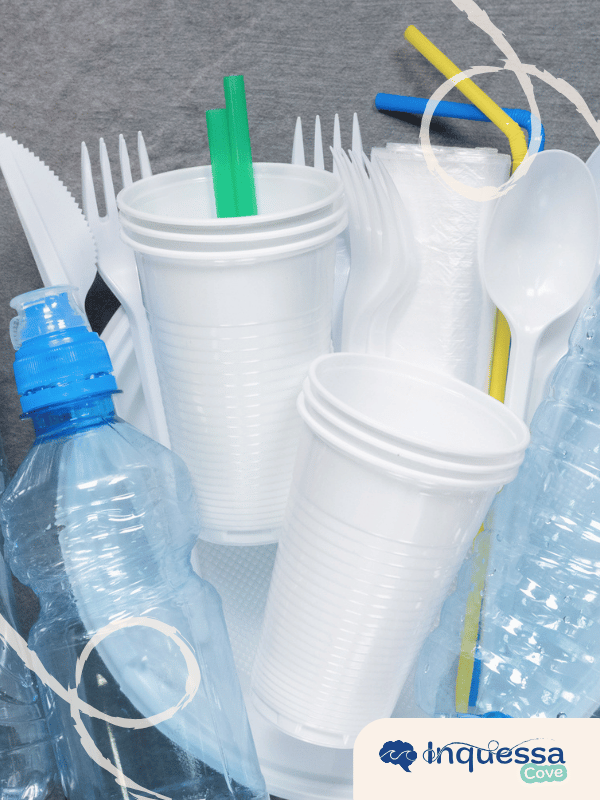
Plastic also became common in products made for short periods of use. Throwaway habits are repeated choices to use products for a short time and then discard them instead of repairing or reusing them.
These habits are not only about packaging. Many clothes and fabrics contain synthetic fibers, human-made fibers produced from chemical materials instead of plants or animals. Plastic can therefore be part of products that may not look like plastic at first.
This can create a mismatch. A product may be useful for minutes, days, or months, while the plastic material itself can last much longer.
Durability Becomes a Challenge
Durability was one reason plastic seemed so useful. A durable material can resist water, damage, and everyday wear. That can help a product perform well for a long time.
The problem changes after the product is no longer wanted. Plastic does not become harmful simply because it lasts. The challenge comes from making, using, and throwing away large amounts of a durable material. A useful quality during a product’s life can make its waste harder to manage later.
From Personal Choices to Systems Thinking
People can make choices about what they buy, reuse, or throw away, but plastic use is also shaped by larger systems. Companies decide how products are designed and packaged. Stores affect which choices are available. Governments can make rules about what is produced and sold.
Large changes across the plastic system could reduce plastic pollution by about 80 percent by 2040. This would require actions such as laws that limit unnecessary single-use plastic. This estimate shows why the plastic problem cannot be understood only as a collection of personal choices. Larger systems also affect how much plastic is made, used, and thrown away.
A Material We Still Need to Understand
Plastic can be useful and difficult to manage at the same time. Different uses also create different concerns, so not every plastic product creates the same kind of problem.
Over time, people began thinking about plastic in a more complicated way. They still saw its useful qualities, but they also began asking questions about waste, environmental harm, health, fairness, and responsibility. Understanding plastic now means looking at both what it can do and what happens across its wider life cycle.
Plastic as a Wonder Material
Plastic was not always viewed as an environmental problem. Plastic was once celebrated as a wonder material because it solved many problems; later, its waste became a growing concern. For many years, people were excited by a material that was light, durable, inexpensive, and easy to shape.
The Science History Institute says Bakelite was marketed as “the material of a thousand uses” because it could be molded into many kinds of objects. This description showed the excitement around a material that could take many forms and serve many purposes.
Plastic Becomes Ordinary
As plastic became common, it stopped seeming unusual. It appeared in products people used at home, at work, in stores, and in many other parts of daily life. Its low weight, strength, and flexibility made it useful for many jobs.
This everyday usefulness helped plastic become part of larger systems of manufacturing, shopping, transportation, and consumption. People did not always think about plastic each time they used it. In many situations, it simply became the expected material.
The Problem With Throwaway Habits
Throwaway habits develop when people regularly use products briefly and discard them rather than repairing or reusing them. Plastic became connected with many products designed for short periods of use.
Synthetic fibers, manufactured fibers often made from plastic materials, include polyester, nylon, and acrylic. Plastic can therefore be part of objects people may not immediately recognize as plastic.
Short product lifetimes can create a difficult mismatch. An item may be useful for minutes, days, or months, while the plastic material itself can last much longer.
Durability Becomes a Challenge
Durability was one reason plastic seemed so valuable. A strong material could resist water, damage, and everyday wear. But durability creates a different challenge once an object is no longer wanted.
Plastic does not become harmful simply because it lasts. The challenge comes from making, using, and throwing away large amounts of a durable material. A quality that helps a product work well during use can make its waste harder to manage afterward.
From Personal Choices to Systems Thinking
People can make choices about what they buy, reuse, or throw away, but larger systems also shape plastic use. Companies decide how products are designed and packaged. Stores affect what choices are available, while governments can create rules about what is produced and sold.
Solving plastic pollution requires changes to larger systems, not only individual actions. If governments around the world ban unnecessary single-use items, total global plastic pollution will be reduced by 80 percent by 2040. This estimate shows why the plastics problem cannot be understood only as a collection of personal choices.
A Material We Still Need to Understand
Plastic can be useful and difficult to manage at the same time. Different uses also create different problems, so treating every plastic product as equally harmful would hide important differences.
Over time, the way people viewed plastic became more complicated. It moved from being celebrated mainly for what it could do to becoming part of questions about waste, environmental harm, health, fairness, and responsibility. Plastic is still useful in many systems, but understanding its benefits also means looking at what happens throughout its wider life cycle.
Plastic as a Wonder Material
Plastic was not always viewed as an environmental problem. For many years, people were excited by what the new material could do. Wonder material describes the way plastic was once celebrated for being light, durable, inexpensive, and easy to shape. Over time, the same qualities that made plastic useful also became connected to growing waste and environmental concerns.
Science History Institute says Bakelite was marketed as “the material of a thousand uses” because it could be molded into many kinds of objects. That description captured the excitement surrounding a material that could take many forms and serve many purposes.
Plastic Becomes Ordinary
As plastic became common, it stopped seeming unusual. It appeared in products people used at home, at work, in stores, and in many other parts of daily life. Its low weight, strength, and flexibility made it useful for many different jobs.
This everyday usefulness helped plastic become part of larger systems of manufacturing, shopping, transportation, and consumption. People did not necessarily think about plastic each time they used it. In many situations, it simply became the expected material.
The Problem With Throwaway Habits
Plastic also became connected with products designed for very short periods of use. Using an item once and discarding it instead of repairing or reusing it shows throwaway habits, repeated choices that create short product lifetimes.
These habits are not limited to packaging. Many fabrics contain synthetic fibers, human-made fibers produced from chemical materials, instead of fibers from plants or animals. Plastic can therefore be part of objects people may not immediately recognize as plastic.
Short product lifetimes can create a difficult mismatch. An item may be useful for minutes, days, or months, while the material itself can last much longer.
Durability Becomes a Challenge
Durability was one reason plastic seemed so valuable. A strong material could resist water, damage, and everyday wear. But durability creates a different problem once an object is no longer wanted.
Plastic does not become harmful simply because it lasts. The challenge comes from producing, using, and discarding large amounts of a durable material. A quality that helps a product perform well during use can make its waste harder to manage afterward.
From Personal Choices to Systems Thinking
People can make choices about what they buy, reuse, or throw away, but plastic use is also shaped by larger systems. Companies decide how products are designed and packaged. Stores determine what choices are available, while governments can create rules that affect what is produced and sold.
Solving the crisis requires a systems overhaul rather than just individual actions. If global governments pass laws banning unnecessary single-use items, it will reduce total global plastic pollution by a staggering 80% by the year 2040. This kind of estimate shows why the plastic problem cannot be understood only as a collection of personal choices.
A Material We Still Need to Understand
Plastic can be useful and difficult to manage at the same time. Different uses also create different concerns, so treating every plastic product as equally harmful would hide important differences.
Over time, the way people viewed plastic became more complicated. It moved from being celebrated mainly for what it could do to being understood as part of questions about waste, environmental harm, health, fairness, and responsibility. Plastic is still useful in many systems, but understanding its benefits now also means examining what happens across its wider life cycle.
Plastic as a Wonder Material
Plastic was not always viewed mainly as an environmental problem. For many years, people were excited by the range of jobs it could perform. The idea of plastic as a wonder material reflects this earlier view of a material that was light, durable, inexpensive, adaptable, and easy to shape.
Science History Institute says Bakelite was marketed as “the material of a thousand uses,” reflecting how its ability to be molded into many different objects made it seem remarkably versatile. That description captured the excitement surrounding a material that could take many forms and replace or supplement materials already in use.
Plastic Becomes Ordinary
As plastic spread into more products, it gradually stopped seeming unusual. It appeared in homes, workplaces, stores, transportation, packaging, clothing, and many other parts of everyday life.
Its usefulness also became embedded in larger systems of manufacturing, shopping, and consumption. People did not necessarily make a separate decision about plastic each time they encountered it. In many situations, plastic simply became the expected material.
The Problem With Throwaway Habits
Plastic also became increasingly connected with products designed for short periods of use. Throwaway habits describe repeated choices in which short-lived products are discarded instead of being maintained, repaired, or reused.
These habits extend beyond obvious packaging. Many fabrics contain synthetic fibers, human-made fibers produced from chemical materials, which can provide useful properties while also creating waste that may persist in the environment.
This creates a mismatch between product life and material life. An item may serve a purpose for only minutes, days, or months while the plastic within it remains for much longer.
Durability Becomes a Challenge
Durability was one of the qualities that made plastic seem so valuable. A material that resisted water, wear, and damage could perform reliably in many different settings.
The challenge appears when large amounts of that durable material are produced, used, and discarded. Plastic does not become a problem simply because it lasts, but the same durability that supports performance during use can make waste more difficult to manage afterward.
From Personal Choices to Systems Thinking
Individuals can choose what they buy, reuse, or discard, but those decisions take place inside larger systems. Companies influence how products are designed and packaged, stores determine which options are available, and governments can create rules affecting what is produced and sold.
Estimates suggest that if governments worldwide banned unnecessary single-use items, global plastic pollution could fall by about 80 percent by 2040, showing why system-level action can have effects beyond individual choices. This does not make personal decisions irrelevant, but it shows that the scale of the plastics problem cannot be understood through individual behavior alone.
A Material We Still Need to Understand
Plastic can remain useful while also creating difficult waste and environmental challenges. Different products also serve different purposes, so treating every use of plastic as equally harmful would hide important differences.
Over time, the way people understood plastic became more complex. A material once celebrated mainly for versatility and convenience came to be examined through questions about waste, environmental harm, fairness, health, and responsibility.
Understanding plastic now requires looking at both sides of that history: why the material became so widely valued, and why the systems built around it have created challenges that extend far beyond a single product or individual choice.
Key Vocabulary
versatile (adjective) Able to be used in many different ways or for many different purposes. (adaptable, flexible)
durable (adjective) ️ Able to last for a long time without wearing out quickly. (long-lasting, tough)
consumption (noun) The use of goods, materials, or resources. (use, buying and using)
discard (verb) ️ To throw something away because it is no longer wanted or needed. (throw away, dispose of)
reuse (verb) ♻️ To use something again instead of throwing it away after one use. (use again)
repair (verb) ️ To fix something so it can continue to be used. (fix, mend)
mismatch (noun) ⚖️ A situation in which two things do not fit or correspond well. (imbalance, poor match)
system-level (adjective) Affecting or involving a whole system rather than only one person or object. (system-wide, large-scale)
life cycle (noun) The stages a product or material passes through from its beginning to its use and what happens afterward. (full pathway, stages of use)
fairness (noun) ⚖️ The idea that people, groups, or communities should be treated justly and not carry unfair burdens. (justice, equity)
